


The Hidden Enemies in Your Pantry
To understand why a large, open bag is a problem, we first need to meet the primary culprits of food spoilage: air, moisture, light, and heat. When dry goods are exposed to air, oxidation occurs, which can make fats and oils in nuts, seeds, and whole-grain
flours turn rancid. Moisture is another major enemy, creating a breeding ground for mould and bacteria, or simply turning crispy crackers and cereals soggy and unappetizing. Light can degrade vitamins and pigments in foods like spices and green vegetables, while heat accelerates all of these spoilage reactions. Keeping your pantry cool, dark, and dry is the first line of defence.
Why Large, Open Packages Fail
When you buy a five-kilogram bag of flour or a family-sized box of cereal, it seems economical. However, every time you open that large, partially-empty bag, you reintroduce fresh air and humidity. The large volume of air trapped inside continues to degrade the food. Furthermore, the original paper or thin plastic packaging is often difficult to reseal effectively, offering poor protection against pests like weevils and moths, as well as environmental factors. While you might save money at the checkout, you risk losing that value to stale, tasteless, or infested food long before you can use it all.
The 'Decanting' Method: Your Best Defence
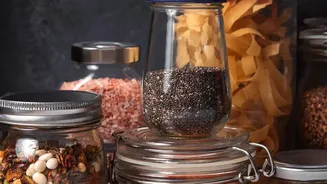
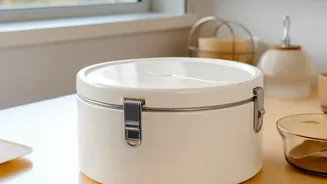
The single most effective strategy to protect your bulk purchases is to 'decant' them. This simply means transferring the food from its original, often flimsy, packaging into smaller, airtight containers immediately after you get home. This practice shields your food from its primary enemies. Using clear containers has the added benefit of letting you see at a glance how much you have left, making grocery lists easier to compile. This system not only keeps food fresher for longer but also creates a more organised and visually appealing pantry, making it easier to find what you need and preventing items from getting lost at the back of a shelf.
A Guide to Storing Common Bulk Items
Different foods have different needs. Applying the right storage method is key to maximizing freshness.Flours and Grains: Store refined grains like white flour and white rice in airtight containers in a cool, dark pantry. Whole grains and whole-wheat flours contain oils that can go rancid, so they are best stored in the refrigerator or freezer for longer life.Nuts and Seeds: Due to their high oil content, nuts and seeds should be kept in airtight containers in the refrigerator or freezer. This dramatically slows down the oxidation process that causes them to taste stale or bitter.Spices: Light and heat are the biggest enemies of spices. Buy smaller quantities of ground spices or, for maximum flavour, buy them whole and grind as needed. Store them in opaque, airtight containers in a dark cupboard away from the stove.Snacks and Cereals: To maintain their crunch, items like crackers, chips, and cereal must be protected from humidity. An airtight container is non-negotiable to prevent them from going soft.
More Than Just Freshness
Adopting this strategy offers benefits beyond better-tasting food. Airtight containers provide a robust barrier against pantry pests, which can easily chew through paper and cardboard packaging. An organised system of uniform, stackable containers can save a surprising amount of space and reduce visual clutter in your cupboards. This organisation also helps you keep a clear inventory, preventing you from accidentally buying duplicates or discovering expired food months later. Ultimately, taking a few minutes to properly store your bulk purchases leads to less food waste, which is good for both your wallet and the environment.