





First, What Are Prebiotics?
It's easy to confuse prebiotics with their more famous cousins, probiotics. Probiotics are the live, beneficial bacteria found in foods like yogurt and kimchi. Prebiotics, on the other hand, are a type of dietary fiber that your body can't digest. Instead,
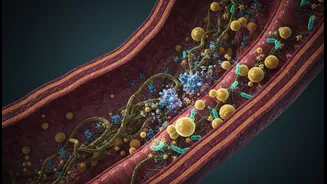
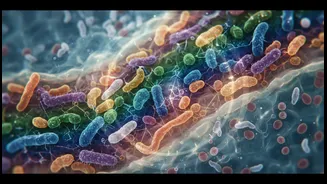
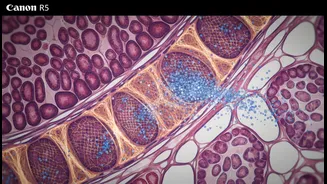
they travel to your lower digestive tract where they act as food, or fuel, for the good bacteria that live there. Think of prebiotics as the fertilizer that helps the good bacteria in your gut garden flourish. This process of feeding the good microbes is what leads to many health benefits.
The Benefits of a Well-Fed Microbiome
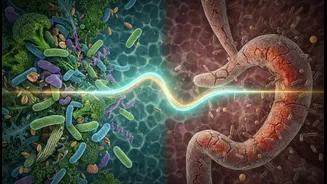
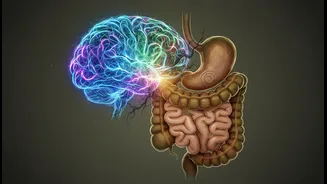
When your gut bacteria are well-fed with prebiotics, they produce beneficial compounds called short-chain fatty acids. These compounds are linked to a wide array of health advantages. A healthy intake of prebiotics can help regulate bowel movements, improve your body's absorption of minerals like calcium, and strengthen your immune system. Research also suggests that a healthy gut microbiome can help lower inflammation, regulate blood sugar, and may even play a role in managing appetite and weight by signaling to your brain that you're full.
The 'Too Much, Too Soon' Problem
If prebiotics are so good for you, why not load up on them? The problem lies in the fermentation process. When the bacteria in your gut digest prebiotic fiber, they produce gas as a byproduct. If you suddenly introduce a large amount of prebiotics into your diet, this can lead to a rapid increase in gas production, causing uncomfortable bloating, cramping, and flatulence. Your digestive system needs time to adapt to the increased fiber load. Rushing the process is the primary reason people experience discomfort when trying to eat more of these healthy foods.
A Practical Guide to Starting Slow
The key to incorporating prebiotics comfortably is to do it gradually. Start by adding one prebiotic-rich food to your diet and have a small portion. For example, instead of a whole onion, start by adding a few slices to a salad. Wait a day or two to see how your body responds before increasing the portion size or adding another new prebiotic food. It's also important to drink plenty of water, which helps fiber move through your digestive system more smoothly. Aim for an initial intake of around 3-5 grams of prebiotics per day and slowly build from there as you feel comfortable.
Top Prebiotic Foods to Add to Your Diet
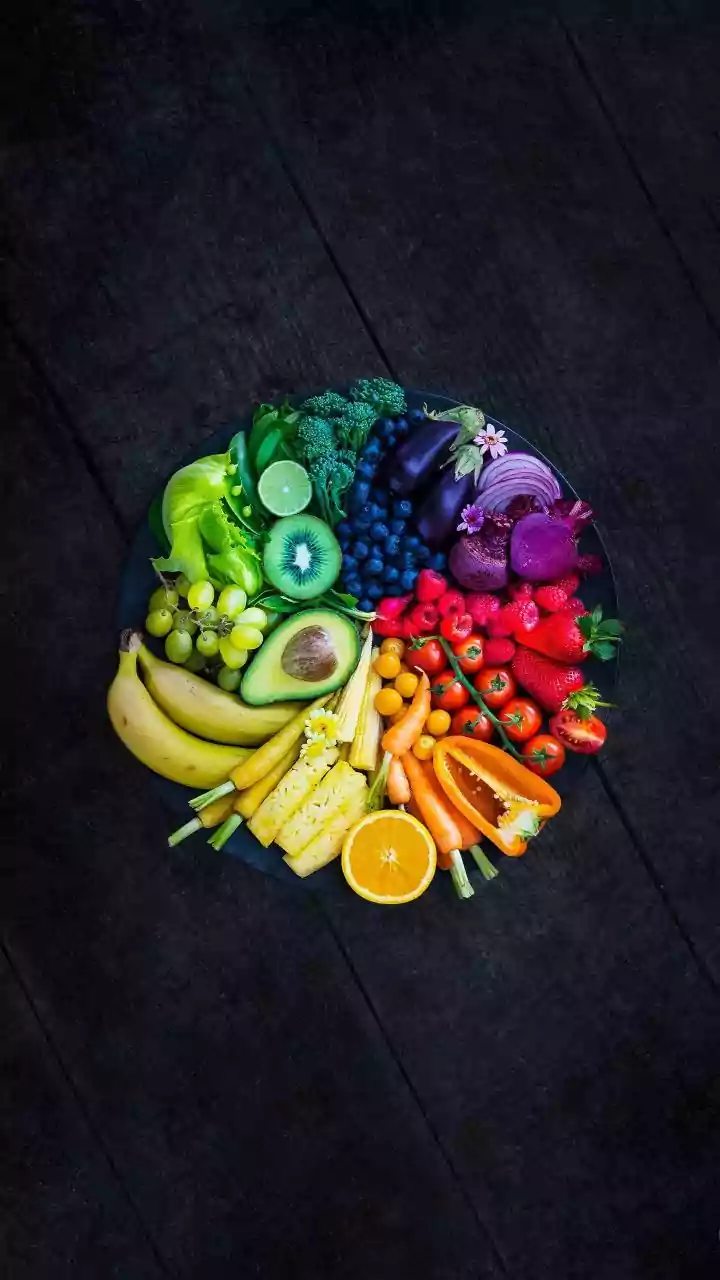
You don't need fancy supplements to get more prebiotics. They are found in a variety of delicious and common foods. Some of the best sources include garlic, onions, and leeks. Fruits like bananas (especially when slightly green) and apples are great options. Vegetables such as asparagus, Jerusalem artichokes, and even cabbage are packed with prebiotics. Whole grains like oats and barley contain a type of prebiotic fiber called beta-glucan, while legumes like chickpeas and lentils are also excellent sources. By incorporating a variety of these foods, you'll provide a more diverse range of nutrients for your gut microbes.