





The Sunshine Vitamin Paradox
Vitamin D is essential for absorbing calcium, maintaining strong bones, and supporting a healthy immune system. While our bodies can produce it when skin is exposed to sunlight, deficiency is widespread across India, affecting 70% to 100% of the population
in some studies. Factors like urbanisation, spending more time indoors, pollution that blocks UVB rays, and skin pigmentation that naturally reduces Vitamin D synthesis contribute to this public health issue. This makes dietary sources more important than ever.
Fatty Fish: A Potent Natural Source
For non-vegetarians, oily fish are among the best natural sources of Vitamin D. Varieties commonly found in Indian coastal regions are excellent choices. Fish like salmon (rawas), mackerel (bangda), sardines (tarli), and hilsa store Vitamin D in their fat and flesh. Including a serving of these fish in your weekly diet, whether grilled, curried, or steamed, can significantly contribute to your intake. For example, 100 grams of hilsa contains a substantial amount of the daily recommended dietary allowance.
Eggs and Dairy: The Accessible Options
The humble egg is another accessible and affordable source of Vitamin D. While the egg white is prized for protein, the yolk is where the Vitamin D is found. One large egg yolk provides a small but useful amount of this nutrient. In the dairy aisle, cheese and paneer offer minor amounts of Vitamin D. However, their contribution can add up, especially when they are a regular part of meals like curries, parathas, or salads.
Fortified Foods: The Modern Solution
Recognising the widespread deficiency, many everyday staples in India are now fortified with Vitamin D. This means the vitamin is added during processing. Look for fortified milk, dahi (curd), edible oils, and breakfast cereals. Reading the nutritional label is key, as not all brands fortify their products. For vegetarians and vegans, fortified plant-based milks like soy or almond milk are also excellent options to help meet daily requirements.
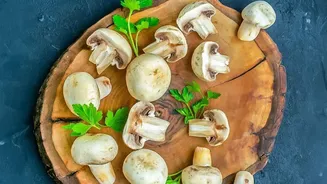
Mushrooms: A Unique Vegetarian Source
Mushrooms are one of the few plant-based foods that can provide Vitamin D. They have a unique ability to produce Vitamin D when exposed to ultraviolet (UV) light, similar to how human skin does. Some mushroom varieties, like button and shiitake, that are commercially grown under UV light will contain significant levels. While regular mushrooms have very little, sun-exposed or UV-treated mushrooms offer a great option for vegetarians looking to boost their intake.
Don't Forget the Sun
While food is a crucial component, it is difficult to meet your entire Vitamin D requirement through diet alone. Sunlight remains the most efficient source. The best time for Vitamin D synthesis in India is generally between 10 a.m. and 3 p.m., when UVB rays are strongest. Just 15 to 30 minutes of direct sun exposure on the arms and face a few times a week can make a significant difference, though this varies by season, location, and skin tone.