




Beyond the Biceps: Protein's Real Job
Protein is one of the essential building blocks of life. Composed of amino acids, it's crucial for repairing cells, supporting bones, and creating the hormones and enzymes that run our bodies. It’s not just for athletes; it’s for everyone. Adequate protein
intake helps maintain muscle mass as we age, supports a strong immune system to fight off illness, and even aids in healing and recovery from injuries. Unlike fats and carbohydrates, the body doesn't store protein, which means we need a steady supply from our daily diet to keep all our systems functioning correctly. Symptoms of not getting enough can be subtle, like fatigue, weakness, or slow-healing wounds, but they point to a critical gap in our nutrition.
India's Silent Protein Gap
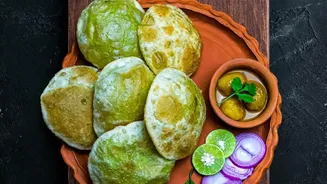
Despite a food culture rich in diverse ingredients, a significant portion of the Indian population is not consuming enough quality protein. Surveys have indicated that protein deficiency affects a large percentage of Indians, with some studies suggesting the figure is as high as 73%. Many people are also unaware of their daily protein requirements. The Indian Council of Medical Research (ICMR) recommends an adult consume about 0.8 to 1 gram of protein per kilogram of body weight daily. However, the average intake often falls short. A major reason for this is the heavy reliance on cereals like rice and wheat, which, while providing some protein, are not high-quality sources and dominate the plate, crowding out more protein-dense foods like pulses, dairy, and eggs.
A National Wake-Up Call on Nutrition
Recognising this widespread nutritional gap, the Indian Council of Medical Research (ICMR) released updated Dietary Guidelines for Indians in 2024. This comprehensive push is aimed at tackling the rise of non-communicable diseases linked to poor diet and promoting overall wellness. One of the most significant aspects of these guidelines is the nuanced approach to protein. It moves the conversation away from a singular focus on supplements and fitness trends and towards a more holistic, food-first philosophy. The guidelines are a response to findings that unhealthy diets are responsible for over 56% of the disease burden in the country.
What the New Guidelines Get Right
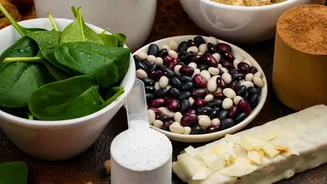
The new ICMR guidelines make a crucial point: building muscle mass does not require expensive supplements. In fact, they advise against the regular consumption of protein powders, which can contain hidden sugars and may not provide the balanced nutrition of whole foods. Instead, the push is to get high-quality protein from a diverse diet. The guidelines specifically recommend obtaining protein and essential amino acids through the right combination of foods. This emphasis on dietary diversity—combining cereals and millets with pulses, legumes, nuts, dairy, and eggs—is a sustainable and culturally resonant approach. It also correctly notes that for most people doing regular exercise, protein intake above 1.6 grams per kilogram of body weight doesn't provide additional muscle-building benefits, reinforcing that a balanced diet is sufficient.
Putting Protein on Your Plate
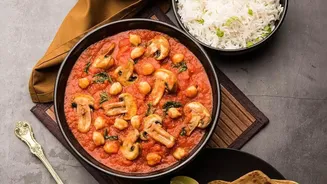
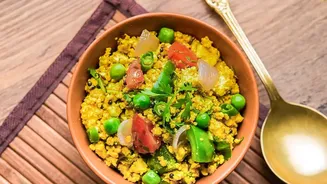
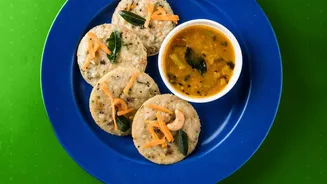
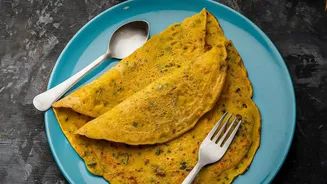
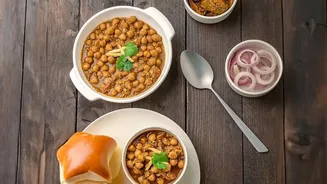
Incorporating more protein into a typical Indian diet doesn't require a radical overhaul. It's about making smart, consistent choices. Prioritising dals, legumes like chickpeas (chana) and kidney beans (rajma), and dairy products like paneer and curd are excellent vegetarian strategies. For instance, a cup of cooked lentils provides a significant amount of protein. Combining different food groups, such as rice with dal, improves the overall quality of the protein consumed. Other simple additions include nuts, seeds, and soy products like tofu. For non-vegetarians, including eggs, fish, and lean chicken can easily meet daily requirements. The goal is not to chase a single 'superfood' but to ensure every meal has a reliable source of protein, shifting the balance away from being overly reliant on cereals.