






The Monsoon Wardrobe Dilemma
For decades, monsoon fashion in India has been a compromise. The choice was often between staying stylish and staying practical. Traditional fabrics like cotton and denim, while perfect for other seasons, turn into a liability during the rains. [13, 17]
Cotton acts like a sponge, soaking up water, becoming heavy, and taking hours, if not days, to dry in the saturated air. [12, 17] Denim is even worse, becoming stiff and refusing to dry. [10, 13] This has long forced city dwellers into a frustrating routine of navigating commutes in impractical clothes or sacrificing aesthetics for functional but uninspired rain gear. The daily challenge is real: dodging puddles, surviving a sudden downpour on the way to the office, and then sitting in a frigid, air-conditioned room in damp clothing. It's a recipe for discomfort and can even lead to skin issues.
The Science of Staying Dry
Enter quick-dry technology. Once the exclusive domain of athletes and serious trekkers, these performance fabrics are now mainstream. [2] Unlike natural fibres that absorb moisture, quick-dry fabrics are typically made from synthetic fibres like polyester or nylon. [3, 6] These materials are 'hydrophobic,' meaning they repel water. The magic lies in how they are engineered: they pull moisture (sweat or rain) away from the skin and push it to the outer surface of the garment. [2, 6] This process, known as wicking, spreads the moisture over a larger area, allowing it to evaporate much faster. [3, 11] While a soaked cotton t-shirt might take hours to dry, a polyester-blend equivalent can be comfortably dry in under an hour, even in high humidity. [11, 12] This technological shift is the engine behind the trend.
From Gym to Street: The Athleisure Effect
The rise of quick-dry clothing cannot be separated from the global explosion of athleisure. The Indian athleisure market is booming, with one report valuing it at over USD 13 billion in 2025 and projecting steady growth. [14, 15] This trend has blurred the lines between workout gear and everyday wear. [21] Consumers now demand clothing that is versatile, comfortable, and functional, transitioning seamlessly from a morning walk to a work-from-home call to a casual dinner. [20] Brands have responded by creating clothing—trousers, shirts, and even blazers—using performance fabrics that don't look like they belong in a gym. [21] This cultural shift towards a more casual and health-conscious lifestyle has created the perfect environment for quick-dry fabrics to thrive outside of just sportswear. [14, 21]
Style Meets Function
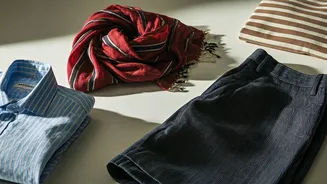
What makes this trend stick is that style is no longer an afterthought. Both international and homegrown Indian brands are offering a wide array of quick-dry options that are genuinely fashionable. You can now find everything from sharp polo t-shirts and sleek joggers to stylish co-ord sets, shirt dresses, and cropped trousers made from fabrics like polyester blends, modal, and rayon. [5, 13, 17] These aren't just practical; they are on-trend. Brands are offering these in darker colours and busy prints, which are great for hiding the inevitable mud splashes and water spots. [7] The focus is on silhouettes that are breezy and don't cling to the body, like A-line dresses and wide-legged pants, solving the dual problem of humidity and rain. [8] Even ethnic wear is getting a monsoon-friendly makeover, with shorter kurtis and lighter dupattas in fabrics like georgette and crepe gaining popularity. [5]
The New Monsoon Uniform
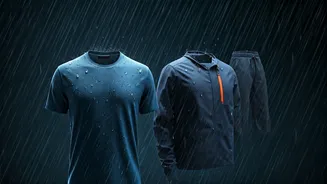
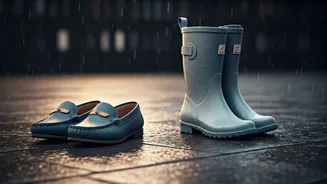
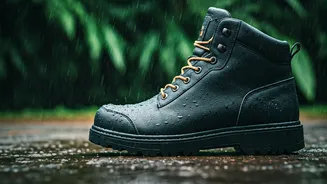
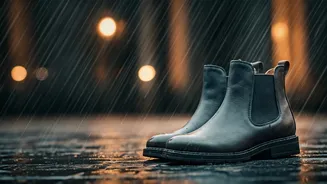
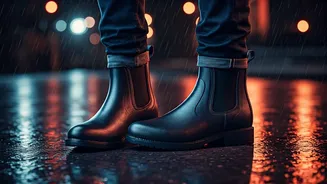
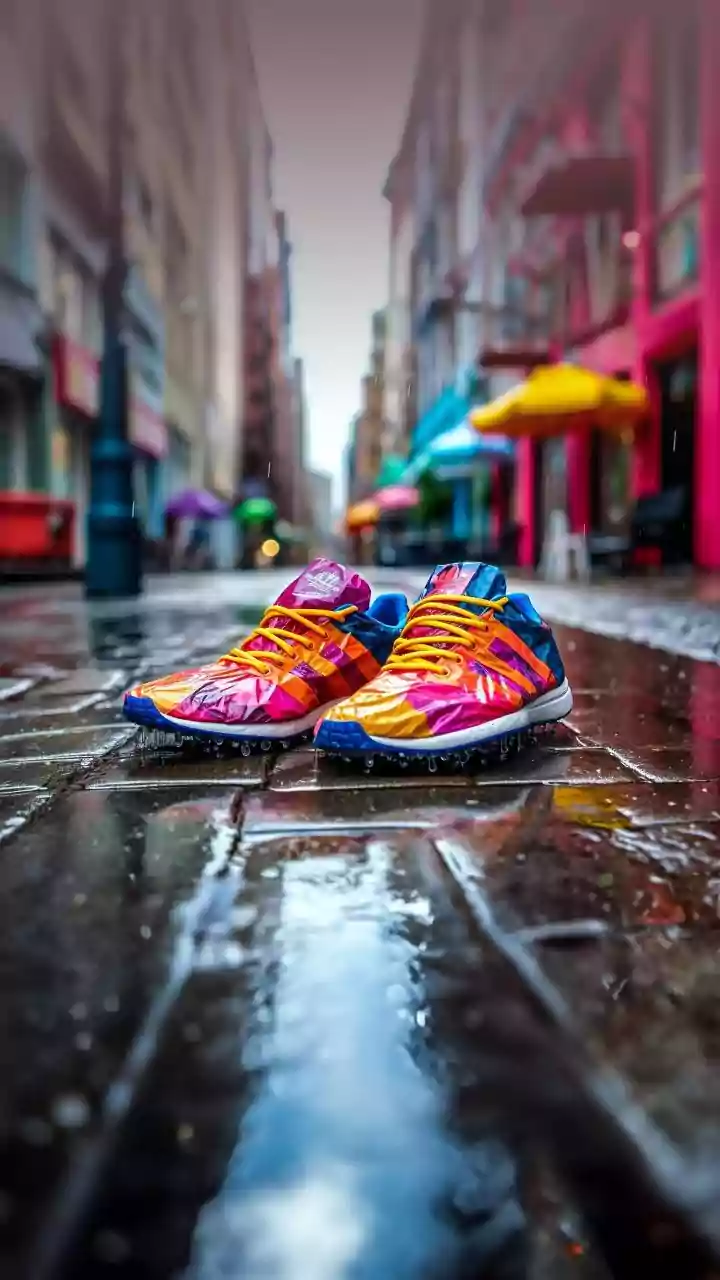
The result is a new monsoon uniform for urban India. It’s built on a foundation of smart fabric choices and practical-yet-stylish pieces. The ideal outfit might consist of a pair of quick-dry, ankle-length trousers, a lightweight poly-blend top, and a water-resistant jacket. [10] For footwear, water-friendly sandals or synthetic sneakers have replaced leather shoes that get ruined in the wet. [10] This shift is more than just a passing fad; it represents a fundamental change in the urban Indian's approach to their wardrobe. It's about using technology to solve an age-old problem, refusing to let the weather dictate comfort or style. It’s a practical, intelligent, and increasingly stylish rebellion against the damp.