

The Perfect Blend of Calm and Convenience
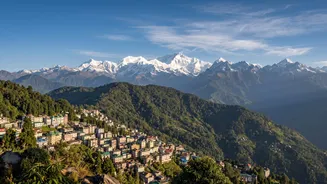
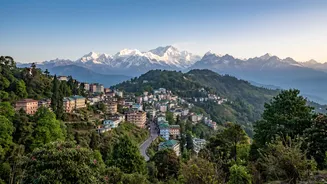
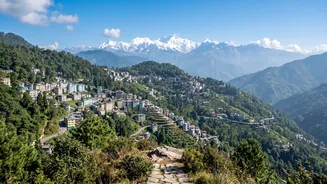
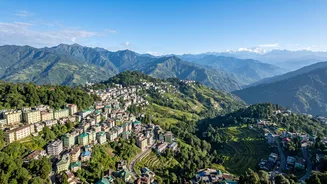
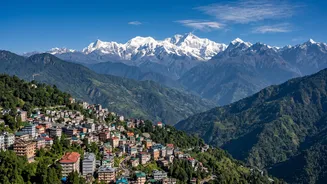
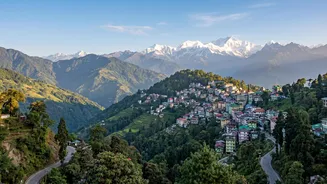
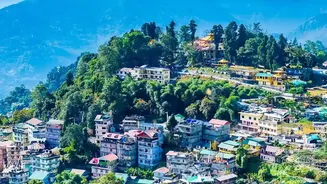
For years, the dream of working from the mountains came with a catch: unreliable infrastructure. But Gangtok is changing that narrative. Nestled in the Himalayas, the city offers a unique atmosphere where serene Buddhist monasteries coexist with bustling,
modern cafes. It’s a place clean enough to feel restorative yet connected enough to be practical. Unlike other crowded hill stations, Gangtok provides a sense of order and calm, thanks to disciplined traffic and a strong emphasis on cleanliness. This balance is attracting a new wave of digital nomads who want the epic views without sacrificing the conveniences of city life. The vibe isn't just about escaping the city; it's about upgrading your work environment to one that fosters both productivity and peace.
Answering the All-Important Wi-Fi Question
Let's be honest: a 'workation' is only as good as its internet connection. This is where Gangtok truly delivers. The city has a surprisingly robust digital backbone, with multiple providers offering fibre internet services. Major telecom operators like Jio and Airtel provide strong 4G connectivity across most of the city, making it reliable enough for video calls and large file transfers. An entire ecosystem has sprung up to support remote workers, with hotels, homestays, and hostels advertising high-speed Wi-Fi and power backups as key amenities. Many local cafes are not just about good coffee; they are unofficial co-working spaces, offering fast internet to attract a working clientele. This reliable connectivity is the single biggest factor turning Gangtok from a tourist spot into a viable long-stay hub for professionals.
A Thriving Cafe Culture and Nomad Community
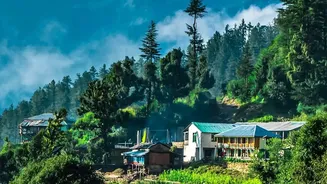
Working remotely can sometimes feel isolating, but Gangtok’s growing community of digital nomads and its vibrant cafe scene make it easy to connect. Places like Cafe Fiction, The Coffee Shop, and Bakers Cafe are well-known hubs where you can find fellow remote workers typing away. These spots offer not just good Wi-Fi and plug points, but also a social atmosphere. Beyond the capital, the government is actively encouraging this trend with initiatives like the 'Nomad Sikkim' project, which is developing villages like Yakten into dedicated digital nomad hubs with work-friendly homestays. This official support fosters a welcoming environment, making it easier for newcomers to find their footing, connect with local culture, and become part of a growing community of like-minded individuals.
An Affordable Himalayan Lifestyle
One of the most compelling reasons to choose Gangtok is its affordability compared to major Indian metro cities. The cost of living is significantly lower, especially when it comes to housing. A one-bedroom apartment in the city center can be rented for a fraction of the price of its equivalent in Delhi or Mumbai. Daily expenses, from local transport to groceries and dining out, are also considerably cheaper. A meal at an inexpensive local restaurant is budget-friendly, and even a three-course meal for two at a mid-range establishment costs far less than in a big city. This financial advantage allows digital nomads to live comfortably, save money, and enjoy a higher quality of life without the financial pressures of a metropolitan lifestyle.
Beyond the Laptop: A Gateway to Adventure
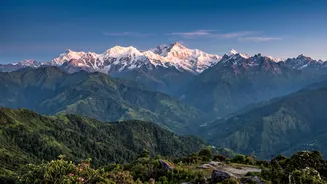
The workday has to end, and in Gangtok, what lies beyond the screen is just as appealing. The city is the perfect base for exploring the incredible beauty of Sikkim. On weekends, you can take a day trip to the stunning Tsomgo Lake or explore the famous Rumtek Monastery. For the more adventurous, there are countless trekking trails and opportunities to witness breathtaking views of the Kanchenjunga. The iconic MG Marg, a vehicle-free pedestrian zone, is perfect for evening strolls, shopping, and soaking in the local atmosphere. This easy access to nature and culture ensures a healthy work-life balance, providing a much-needed reset after a week of work and making the entire experience more than just a job in a different location.