





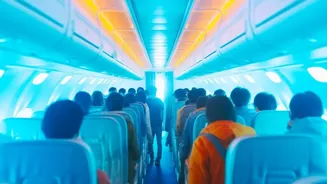
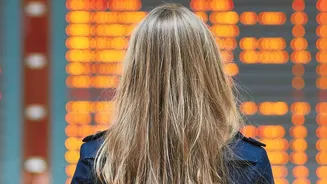
The familiar feeling of airport-induced anxiety is more than just an inconvenience; it's a significant drag on the travel industry's bottom line. New research from aviation IT giant SITA now confirms it, linking passenger stress directly to lost bookings.
Anxiety's High Cost
The daily grind of modern air travel, from long queues to the uncertainty of delays, has a quantifiable impact on flight demand. According to the SITA 2026 Passenger IT Insights report, a staggering 42% of travellers have decided against booking a trip specifically because they anticipated the journey would be too stressful. This isn't a minor issue; it's a direct hit to airline revenues and a clear signal that passenger experience is now a critical business metric. The report, which surveyed nearly 8,000 passengers across 24 countries, shows that the problem is especially acute among the industry's most valuable customers. Six in ten frequent flyers and more than half of travellers under 30 have opted out of a trip due to expected stress, threatening both current revenue and the loyalty of the next generation of flyers.
Pinpointing the Pain Points
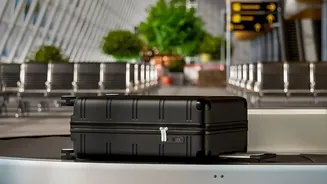
So, where does this stress come from? The SITA report identifies the primary culprits as operational uncertainty and a lack of information. Passengers' biggest concerns revolve around flight delays, long waiting times, and the perennial worry about their baggage. According to SITA's CEO, David Lavorel, most of the anxiety comes down to passengers 'not knowing what happens next'. This uncertainty is most pronounced during the airport 'dwell time'—the period between clearing security and boarding the plane. One-third of passengers now report feeling anxious during this phase, a figure that has tripled since 2023. This anxiety erodes the time passengers might otherwise spend in shops and restaurants, turning a commercial opportunity for airports into a period of stressful waiting.
A Technological Solution
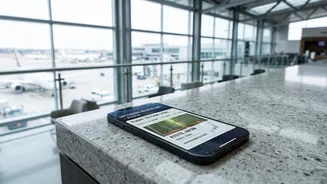
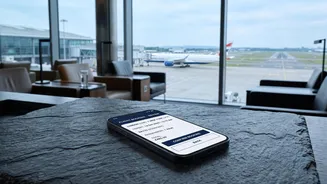
While stress is the problem, travellers overwhelmingly believe technology is the solution. Eight in ten passengers surveyed believe technology can significantly reduce the stress of air travel. This confidence is even higher among frequent flyers (89%) and younger travellers (86%), the same groups most likely to cancel trips due to stress. The consensus points toward a more connected, transparent journey. Passengers are looking for real-time updates sent directly to their phones, live information on queue times displayed on airport screens, and proactive alerts about any changes to their itinerary. The report notes that passengers are calmest during check-in and boarding, stages where the journey is often already managed on their phones. The goal is to extend that feeling of control to the entire airport experience.
The Way Forward: Data and AI
To deliver this seamless experience, the industry needs to embrace data sharing between airlines, airports, ground handlers, and border agencies. When these entities share what they know, passengers can be kept informed automatically. The research also points to a growing acceptance of artificial intelligence in managing travel. Four in ten passengers are comfortable receiving real-time journey updates from an AI system. A prime example of technology's positive impact can be seen in the United Arab Emirates, where 77% of passengers used technology at border control. In that group, only 13% reported negative emotions, compared to 37% across the global survey. This demonstrates that implementing smart, automated systems can dramatically reduce friction and improve the passenger mindset. As Lavorel states, 'Calm is a commercial measure'.