

A New Definition of Work-Life Balance
The post-pandemic era has cemented remote work as a long-term reality for many. This newfound flexibility has ignited a desire to blend professional productivity with personal well-being. Enter the 'workation'—a trend where employees relocate to scenic,
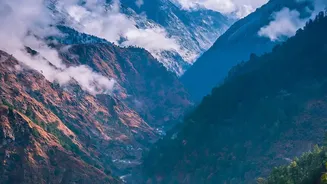
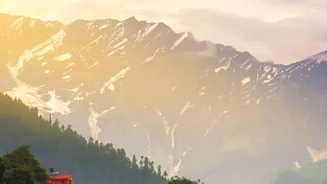
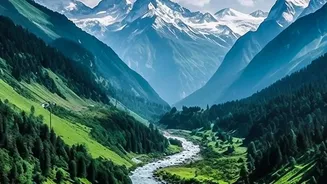
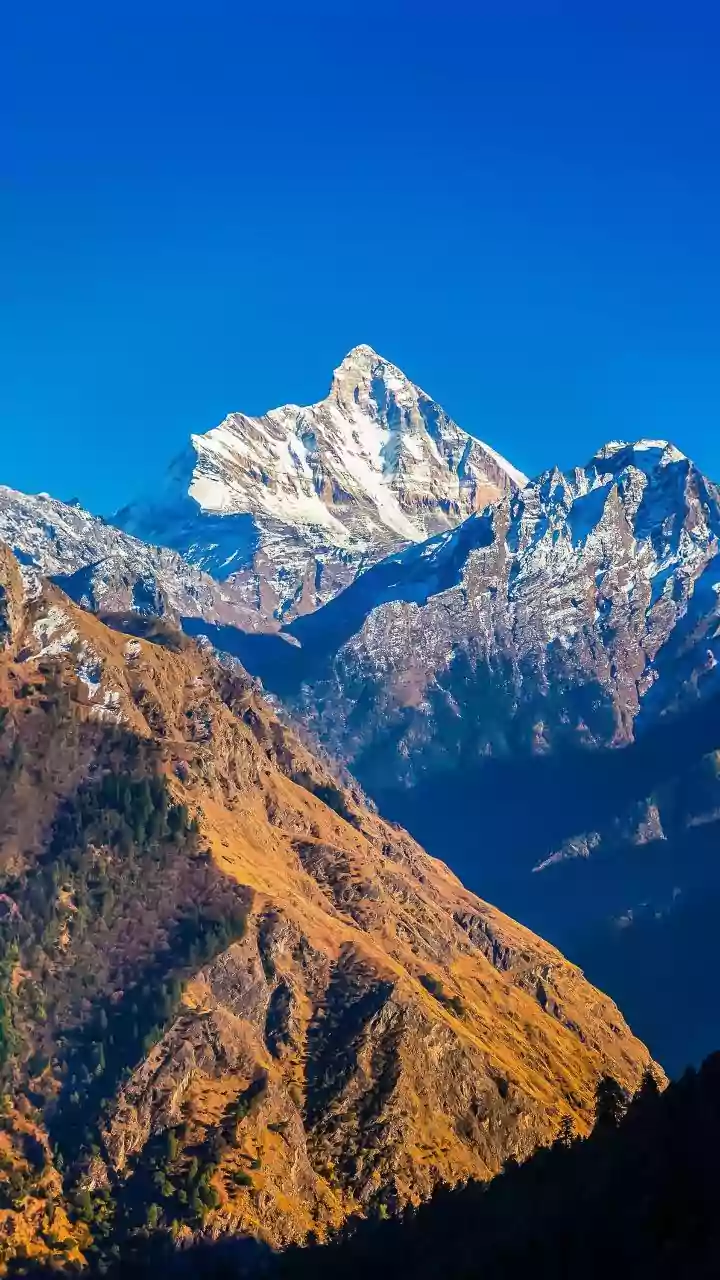
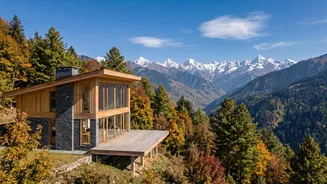
peaceful locations for extended periods to work and unwind simultaneously. Instead of being confined to a home office, professionals are seeking environments that inspire creativity and reduce burnout. Naggar and Jibhi, nestled in Himachal Pradesh, have become poster children for this movement, offering an escape from urban chaos without sacrificing the connectivity needed to stay professionally engaged. The appeal is simple: a workspace where the background is a panoramic view of the Himalayas and the only rush hour is the morning sunrise.
Naggar: Culture, Calm, and Connectivity
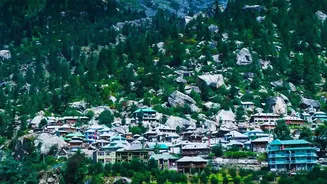
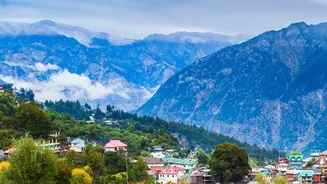
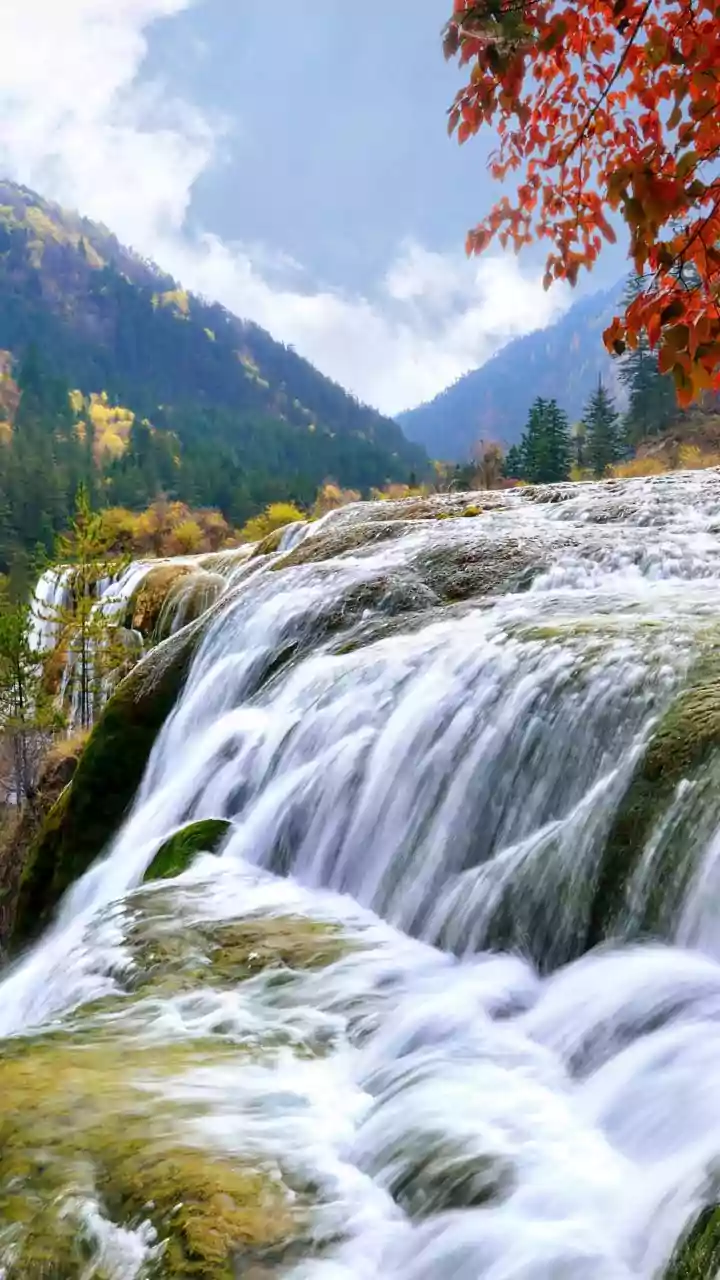
Naggar, the former capital of the Kullu kingdom, offers a unique blend of history, art, and serene nature. It attracts a community of creative professionals, writers, and digital nomads who appreciate its slightly more established infrastructure. The town is dotted with ancient temples, traditional Kath-Kuni architecture, and the historic Naggar Castle. A major draw is the Roerich Art Gallery, which adds a layer of cultural richness to the tranquil environment. For remote workers, Naggar provides a perfect middle ground. It’s quieter than bustling tourist hubs like Manali but equipped with work-friendly cafes and homestays offering reliable Wi-Fi. This allows for focused work sessions in the morning, followed by afternoons exploring heritage sites or nearby hiking trails to places like the Jana Waterfall.
Jibhi: The Offbeat Riverside Retreat
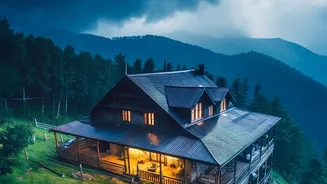
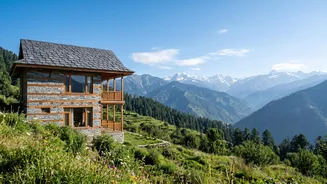
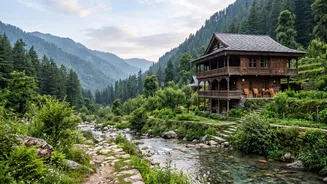
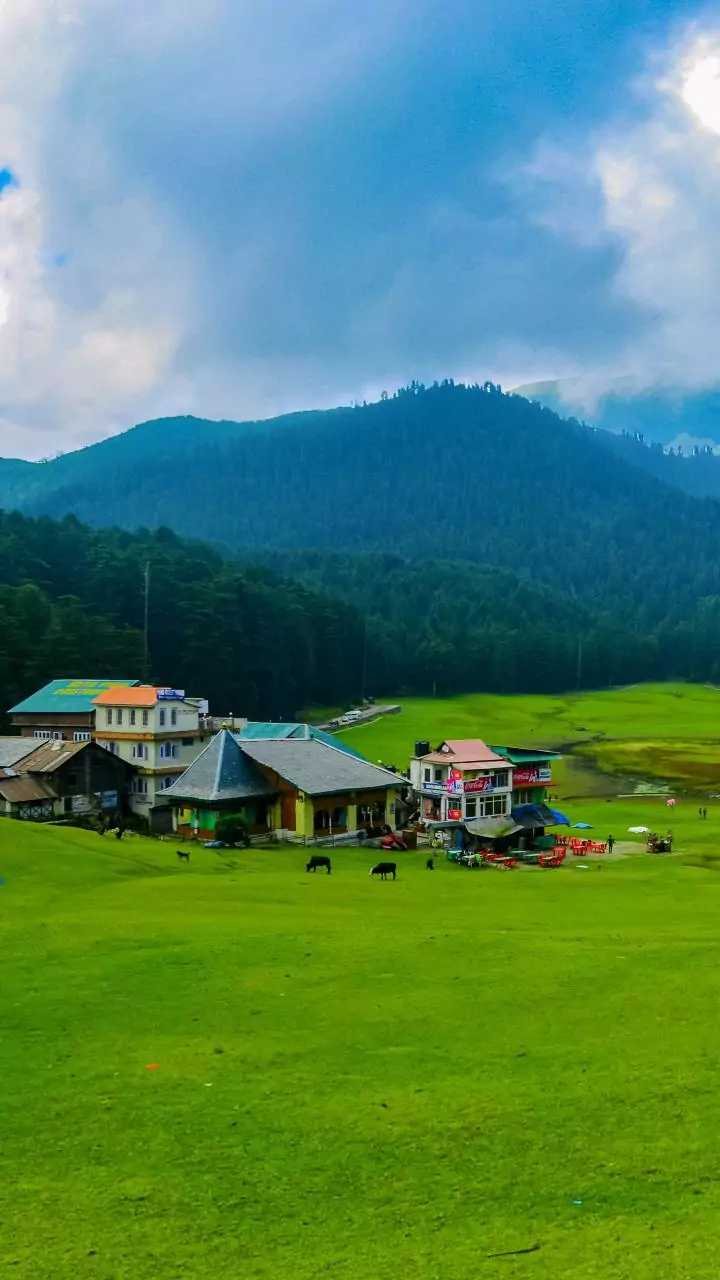
For those seeking deeper solitude, Jibhi is the answer. Located in the pristine Tirthan Valley, a UNESCO World Heritage site buffer zone, Jibhi is more of an offbeat hamlet than a town. Its charm lies in its rustic simplicity, with traditional wooden houses, riverside homestays, and a focus on ecotourism. The vibe in Jibhi is centered around a slow, mindful way of life, locally known as 'ailyak'—doing everything calmly and without rush. This atmosphere is ideal for deep work and creative thinking. While traditionally more remote, Jibhi has seen a significant upgrade in connectivity, with many homestays and cafes now providing stable fiber internet. It’s a destination for workers who want to truly disconnect from distractions—while staying connected enough to meet their deadlines.
The Golden Appeal of Autumn
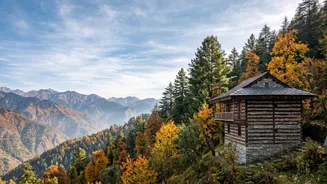
While these towns are beautiful year-round, autumn holds a special magic. The period from September to November is considered one of the best times for a Himalayan workation. The monsoon rains have washed the landscape clean, leaving behind lush greenery and exceptionally clear skies. The air is crisp, and the daytime temperatures are pleasant, perfect for working on a balcony or taking a walk between meetings. This season also means fewer tourists compared to the summer peak, resulting in a quieter environment and often lower prices for accommodation. It's a time of tranquility, where the rustling of golden leaves and the sound of the river provide a natural soundtrack for productivity.
Practicality Meets Paradise
The dream of working from the mountains is only sustainable if the practicalities hold up, and both Naggar and Jibhi are delivering. The most critical element—internet connectivity—has improved dramatically. While BSNL and Airtel are the most reliable mobile networks, many properties now offer dedicated fiber broadband with speeds sufficient for video calls and large file transfers. Accommodation is both affordable and authentic, with a plethora of family-run homestays and guesthouses that offer a glimpse into local life along with monthly rental packages. The cost of living is significantly lower than in metropolitan cities, with a month-long comfortable stay, including food, being highly economical. This combination of reliable infrastructure, affordability, and unparalleled natural beauty is precisely why remote workers are packing their bags for the hills.