



Why The Monsoon Is Magic for Gardeners
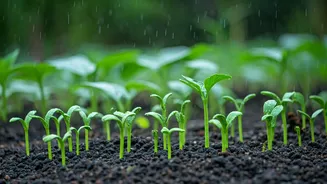
The rainy season is nature's gift to gardeners. The lower temperatures reduce heat stress on plants, while the high humidity helps keep them lush and green. Most importantly, Mother Nature takes care of the watering for you, saving time and effort. However,
the monsoon also presents challenges. The biggest one is waterlogging, which can rot roots. Pests and fungal diseases also thrive in the damp conditions. The key to a successful monsoon garden is choosing the right plants and ensuring excellent drainage in your pots or beds.
1. Bhindi (Okra / Lady's Finger)
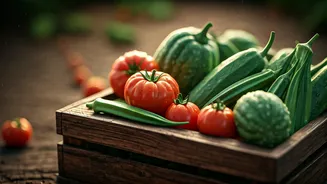
A staple in Indian kitchens, Bhindi absolutely loves the warm and humid weather of the monsoon. It's a relatively low-maintenance plant that produces prolifically, giving you a steady harvest. Sow the seeds directly into a large pot or grow bag with well-draining soil. Ensure the spot receives at least 4-5 hours of sunlight. The plants grow tall, so you might need to provide some support with a stick. You can expect to start harvesting tender okra pods within 60 days of planting.
2. Leafy Greens (Palak & Amaranth)
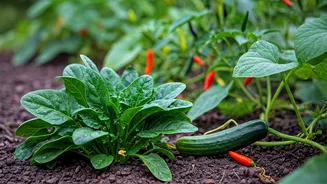
Monsoon is an excellent time for fast-growing leafy greens like Palak (Spinach) and Amaranth (Chaulai Saag). They don't require full-day sun and can thrive in the slightly overcast conditions typical of the season. Scatter the seeds in wide, shallow containers. Keep the soil moist but not waterlogged. You can start harvesting the outer leaves in just a few weeks, and the plant will continue to produce more. This cut-and-come-again method ensures a fresh supply of greens for your dal or sabzi throughout the season.
3. Gourds (Lauki & Turai)
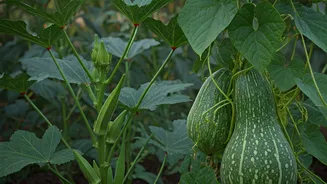
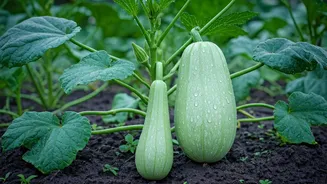
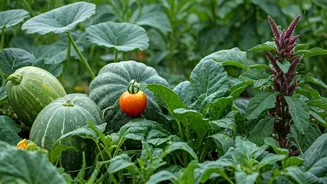
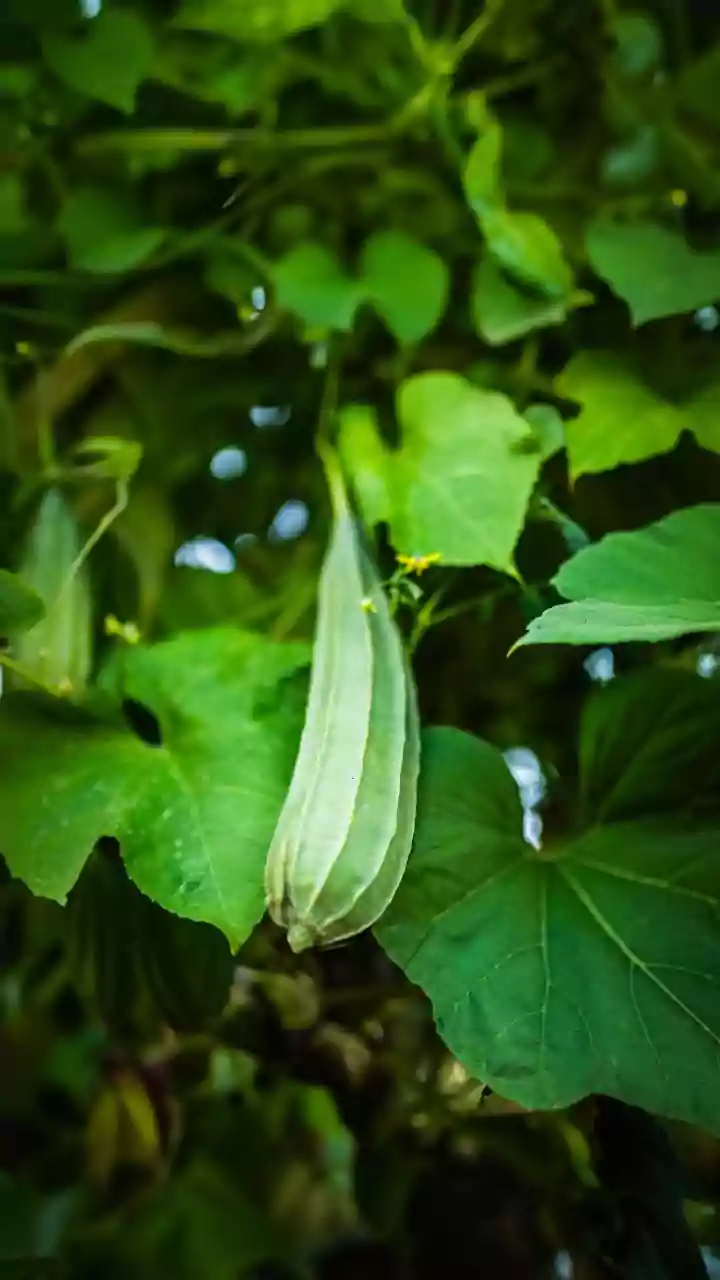
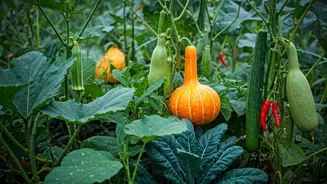
The rainy season is synonymous with gourds. Creepers like Lauki (Bottle Gourd) and Turai (Ridge Gourd) grow vigorously during this time, covering trellises with their large leaves and rewarding you with an abundant harvest. These plants need space to climb, so they are perfect for balconies with railings or gardens with a fence. Plant 2-3 seeds in a large container (at least 12-15 inches). As the vine grows, guide it onto a sturdy support structure. Proper air circulation is key to preventing fungal issues.
4. Beans (Cluster & French Beans)
Beans are nitrogen-fixing plants, which means they actually improve the soil they grow in. Both bush varieties and climbing varieties do exceptionally well in the monsoon. Cluster Beans (Gavar) and French Beans are excellent choices. They are quick to germinate and grow. For bush beans, you can plant several in a single rectangular container. For climbing varieties, provide a trellis or string support. Regular harvesting encourages the plant to produce more pods.
5. Cucumber (Kheera)
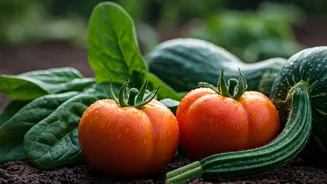
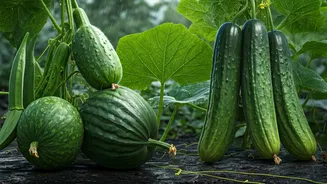
What's more refreshing than a homegrown cucumber? These water-loving plants thrive in the monsoon. Like gourds, most cucumber varieties are climbers and need a trellis for support. Planting them in well-drained soil is crucial to avoid root rot. Choose a spot that gets a decent amount of morning sun. Hand-pollinating the flowers can sometimes help increase your yield if you notice flowers are dropping without forming fruit. In about two months, you'll be slicing fresh, crisp cucumbers for your salads.
A Quick Tip on Pots and Soil
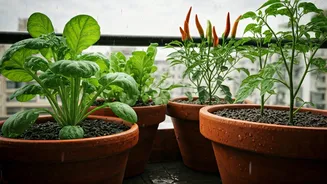
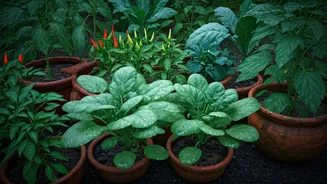
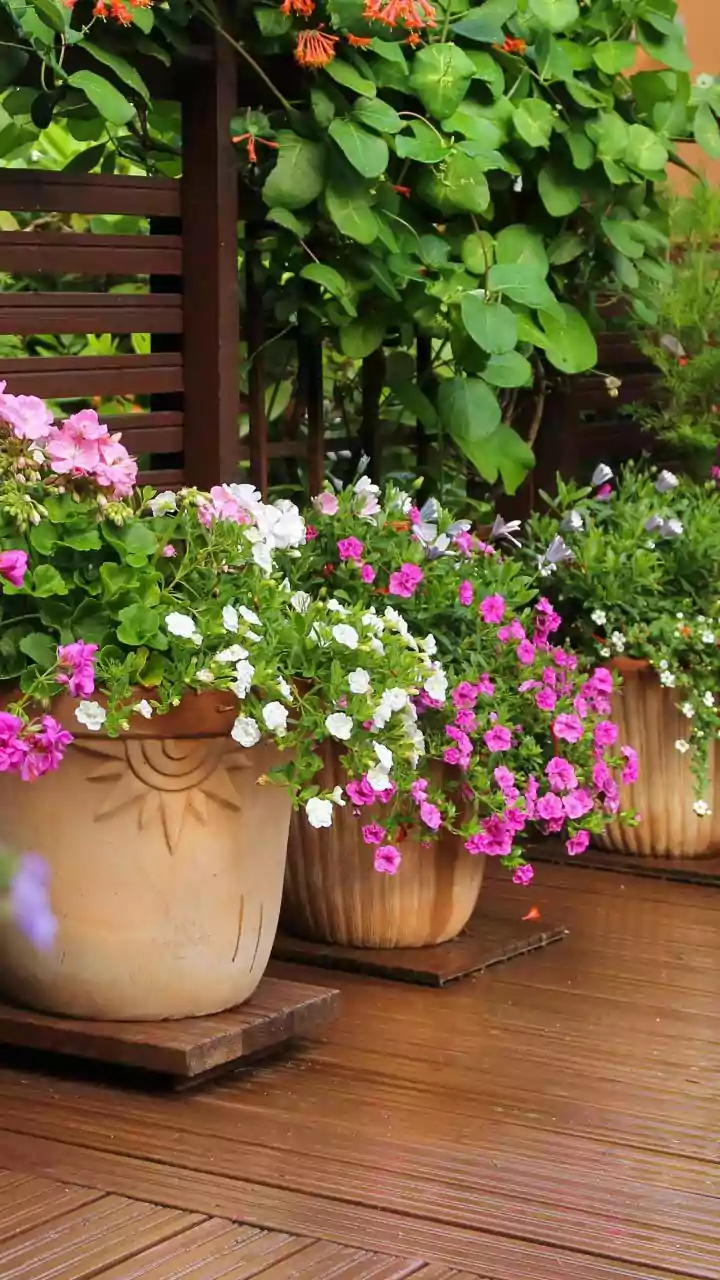
For any monsoon garden, success lies beneath the surface. Ensure every pot has drainage holes. You can add a layer of broken pottery or gravel at the bottom before adding soil to improve drainage further. Use a light, well-draining potting mix. A good combination is equal parts soil, cocopeat, and compost. This mix retains enough moisture for the plants without becoming a soggy mess during heavy downpours.