

Understanding the Colour Problem
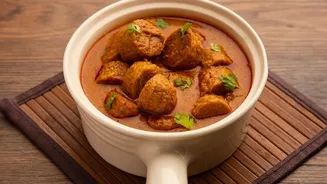
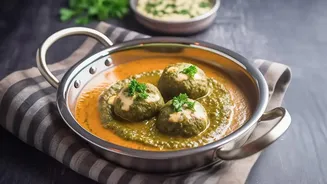
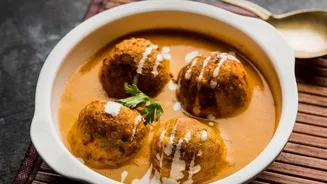
The rich, inviting colour of a restaurant-style malai kofta gravy is a delicate balance. The common culprit behind a gravy that turns dark, dull, or brownish is overcooking the base ingredients, particularly onions and spices. When onions are fried for
too long, they caramelize excessively, lending a deep brown colour and a sweetness that can overpower the dish. Even worse, if spices like turmeric or standard red chilli powder are added to overly hot oil, they can burn almost instantly. This not only turns the gravy dark and murky but also imparts a bitter, unpleasant taste, ruining the subtle, creamy flavour profile that malai kofta is celebrated for.
The Foundation: A Pale and Sweet Base
The secret to a vibrant gravy begins with a deliberately pale base. Many restaurant chefs favour a white gravy foundation made from boiled onions and cashews. To do this, roughly chopped onions and raw cashews are boiled in water until the onions are soft and translucent. This mixture is then cooled and blended into a smooth, white paste. Using boiled onion paste instead of a traditional fried 'bhuna' masala prevents the browning that darkens the final curry. This technique creates a sweet, creamy canvas that allows the colours from other ingredients to truly shine through without competition.
The Power of the Right Chilli
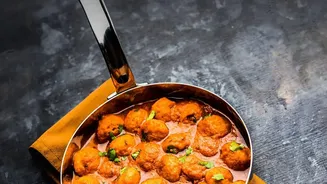
This is perhaps the most crucial step for colour. The fiery red hue you see in professional dishes rarely comes from the regular hot red chilli powder used for everyday cooking. Instead, chefs rely on Kashmiri red chilli powder. This variety is prized for its high pigment content and very mild heat, measuring around 1,000-2,000 on the Scoville scale, significantly less than the 15,000+ units of regular chilli powder. This means you can add enough to give the gravy a brilliant scarlet colour without making the dish overwhelmingly spicy. For the best results, bloom the Kashmiri chilli powder in warm ghee or oil for just 10-15 seconds before adding it to your gravy base. This fat-soluble spice will release its colour into the oil, ensuring an even, rich hue throughout the entire dish.
Tomatoes and Turmeric: Handle with Care
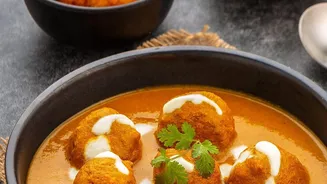
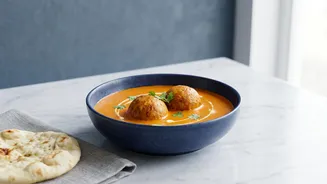
While tomatoes are essential for the flavour of an orange-hued malai kofta gravy, their preparation matters. Use ripe, red tomatoes and cook them down with your boiled onion-cashew paste. Many chefs strain the puree after blending to remove any seeds or skin, ensuring a velvety smooth texture. When it comes to other spices, be judicious with turmeric. While a small pinch can provide a warm, golden undertone, too much will push the gravy towards a yellow-brown shade rather than the desired reddish-orange. The goal is to let the colour from the Kashmiri chilli dominate.
Finishing with Finesse
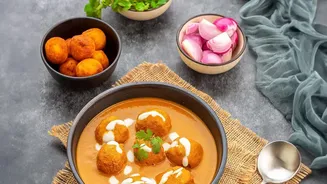
The final stage is all about gentle heat and patience. Once your gravy base has its colour and has been cooked, the finishing touches are cream and kasuri methi (dried fenugreek leaves). After adding fresh cream, the gravy should never be boiled vigorously. Keep it at a gentle simmer, stirring continuously for just a few minutes until it's heated through and has thickened slightly. Boiling cream at high temperatures can cause it to split and can also subtly darken the colour you worked so hard to achieve. Finally, never let the koftas soak in the gravy for a long time before serving. To preserve the texture of the koftas and the beauty of the dish, place the warm koftas in a serving bowl and pour the hot gravy over them just moments before it reaches the table.