


More Than a Vacation, It's a Workation
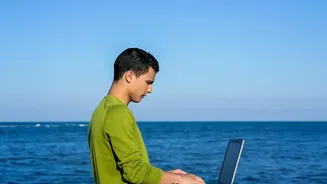
Forget the frantic two-week holiday spent rushing through tourist hotspots. A new model of travel is taking hold, born from the widespread adoption of remote work. Known as a 'workation' or 'slow travel', it involves professionals working from a new,
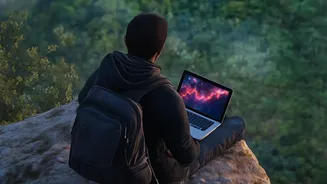
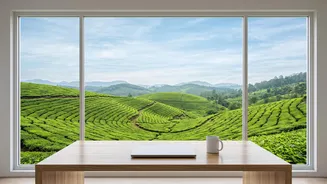
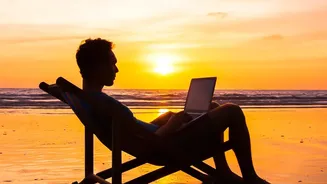
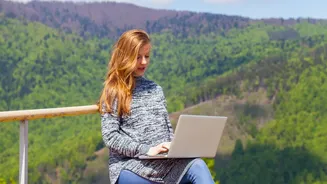
inspiring location for an extended period—often a month or more. Unlike a traditional vacation, where the goal is to completely disconnect, a workation integrates professional responsibilities with the leisure and exploration of travel. You still meet deadlines and attend virtual meetings, but your after-work hours are spent exploring a new city, learning a local custom, or simply enjoying a change of scenery. This isn't just for full-time digital nomads with no fixed base; it's increasingly popular among employees in hybrid or flexible roles who temporarily relocate before returning to their usual place of work.
The Search for Balance and Meaning
What’s driving this shift? A major factor is the search for a better work-life balance and a cure for professional burnout. A change of environment is proven to boost creativity and productivity, breaking the monotony of a routine. The pandemic accelerated this by forcing companies to embrace remote and hybrid models, demonstrating that productivity isn't tied to a specific desk. Furthermore, there is a growing desire for more meaningful travel. Instead of surface-level tourism, longer stays allow for deeper cultural immersion. By settling into a neighborhood for several weeks, travelers can live more like locals, shop at neighborhood markets, and form genuine connections within the community, creating a richer, more fulfilling experience.
The New Logistics of Work and Travel
Planning a workation requires a different mindset than booking a simple holiday. A stable, high-speed internet connection is non-negotiable, and it has become a primary factor for remote workers when choosing accommodation. In response, the hospitality industry is adapting. Hotels and rental platforms now feature 'work-friendly' amenities, while co-living spaces designed for remote professionals are booming. Navigating legalities is another crucial step. Recognizing the economic benefits, over 60 countries have introduced 'digital nomad visas' or similar long-stay permits that allow remote workers to legally stay and work for extended periods, from several months to a couple of years. These visas acknowledge that long-stay visitors contribute significantly more to local economies than short-term tourists.
Economic Boons and Local Pains
The rise of the long-stay remote worker brings both opportunities and challenges for host destinations. Economically, these travelers are a boon. They spend money at local businesses over a longer period, supporting cafes, rental markets, and service providers. Their presence during the off-season can also help create more stable, year-round tourism revenue, reducing a destination's reliance on seasonal peaks. However, this influx is not without its downsides. In popular hubs like Lisbon and Bali, the increased demand from higher-earning remote workers has been linked to rising rental prices, which can create affordability issues for local residents. This has led to growing tensions in some communities, highlighting the need for a balanced approach that welcomes visitors without displacing the local population.
Where the World is Working Now
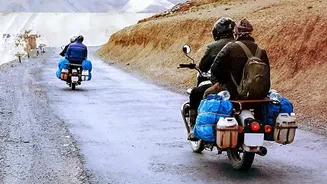
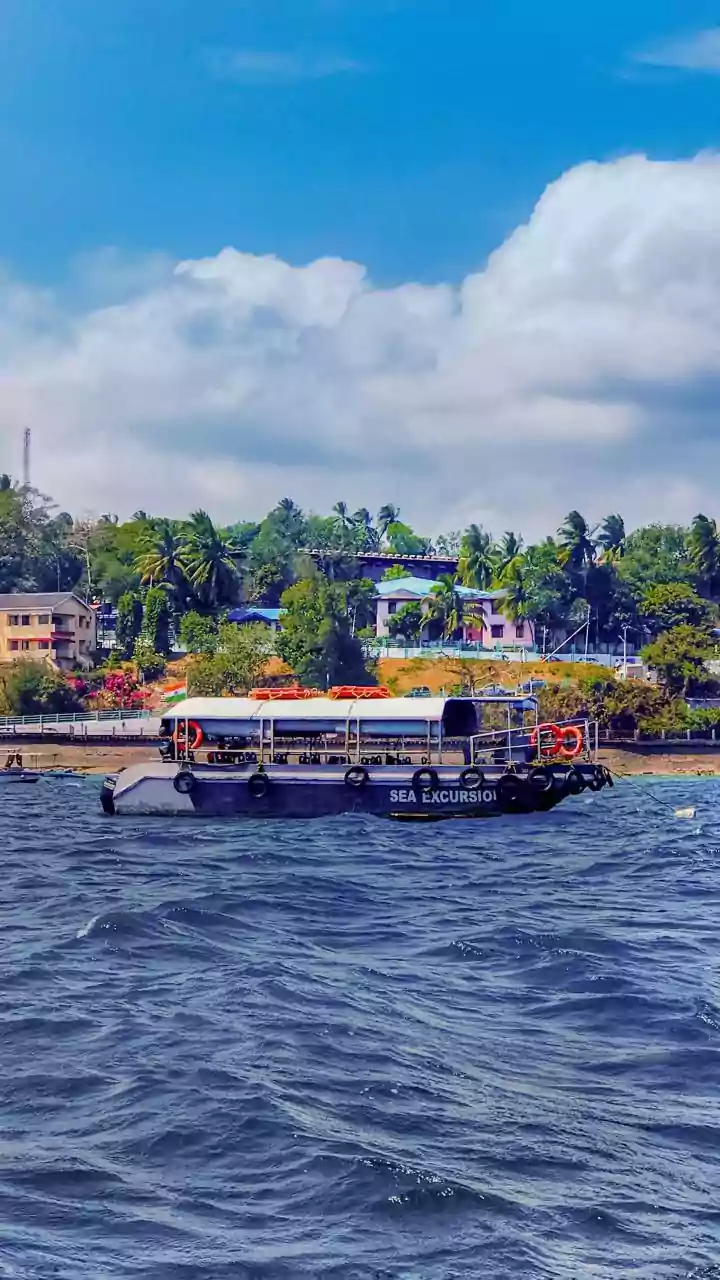
Certain destinations have emerged as hotspots for this new breed of traveler, offering a compelling mix of lifestyle, affordability, and infrastructure. Cities in Colombia like Medellín are praised for their 'eternal spring' climate and booming entrepreneurial community. In Asia, destinations in Thailand and Indonesia continue to be popular, though some, like Bali, are becoming crowded with nomads. Closer to home for many Indians, countries like Sri Lanka have recently launched digital nomad visas to attract remote workers. Within India itself, places like Goa, and various Himalayan towns in Himachal Pradesh and Uttarakhand have become de-facto hubs for those seeking to blend work with nature and a more relaxed pace of life.