

The Science of Seeing Stars
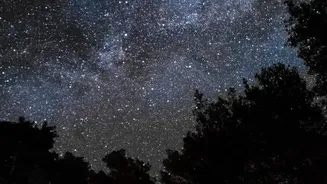
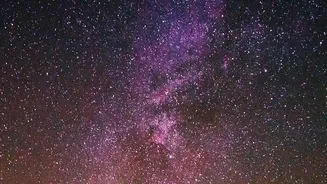
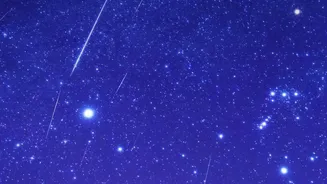
The primary reason remote destinations are superior for stargazing is the absence of light pollution. In cities and towns, excessive and misdirected artificial light scatters into the atmosphere, creating a bright haze called 'skyglow'. This celestial
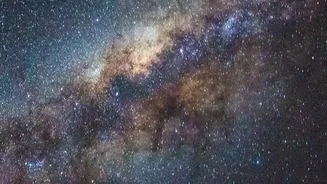
fog washes out all but the brightest stars and planets from view. Astronomers use the Bortle Scale to measure sky darkness, with Class 1 being a pristine, naturally dark sky and Class 9 being an inner-city sky. Most urban areas in India fall between Class 7 and 9. Truly remote locations, however, can offer Class 2 or 3 skies, where the Milky Way is so clear it appears textured. Furthermore, factors like high altitude and low humidity significantly improve visibility. Higher elevations mean you are looking through less of the Earth's atmosphere, which can distort and dim starlight. Dry air, common in deserts and high-altitude regions, is more transparent than humid air, leading to sharper, clearer views of the cosmos.
Hanle, Ladakh: India's Dark Sky Reserve
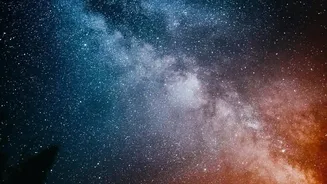
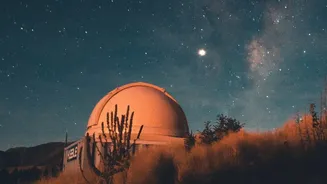
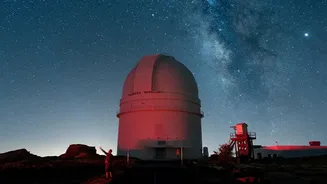
Topping nearly every astronomer's list is Hanle in Ladakh, and for good reason. In 2022, it was officially designated as India's first Dark Sky Reserve. Situated at a breathtaking altitude of 4,500 metres, the air here is incredibly thin and dry, offering over 250 clear nights a year. The near-total absence of light pollution gives it a Bortle Class 1 rating, the darkest possible. This is why it's home to the Indian Astronomical Observatory. On a clear, moonless night in Hanle, the Milky Way is not just visible; it can be so bright that it casts a faint shadow. Local communities have been trained as 'Astronomy Ambassadors' to guide visitors, making it a unique astro-tourism destination that benefits the local economy.
Spiti Valley, Himachal Pradesh: A High-Altitude Desert
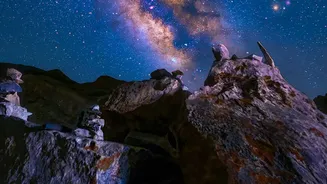
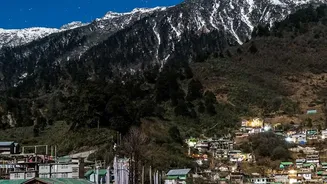
Often called 'Little Tibet', Spiti Valley is a cold desert high in the Himalayas that offers some of the darkest skies in the country. With an average elevation of over 12,500 feet, its remote villages like Kibber, Langza, and Komic are far removed from any significant light pollution, providing a pristine canvas for the stars. The dry, crisp mountain air ensures exceptional transparency, making celestial objects appear incredibly sharp. From May to October, the conditions are ideal for viewing the majestic arc of the Milky Way, meteor showers, and even the Andromeda Galaxy with the naked eye. The dramatic landscape of ancient monasteries and rugged mountains only enhances the surreal experience of stargazing here.
Rann of Kutch, Gujarat: A Universe on a Salt Marsh
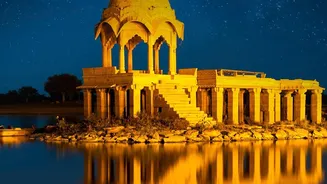
For a completely different but equally mesmerizing experience, the Great Rann of Kutch offers a unique stargazing opportunity. This vast salt desert provides a perfectly flat, unobstructed 360-degree horizon. Its remoteness ensures very low light pollution, making the night sky incredibly dark. The best time to visit is during the Rann Utsav festival, between November and February, when the air is cool and clear. On a new moon night, the number of visible stars is astonishing. On a full moon night, the landscape itself becomes otherworldly as the white salt flats reflect the moonlight, creating a serene, glowing vista that feels like another planet.
Coorg, Karnataka: A Southern Starry Escape
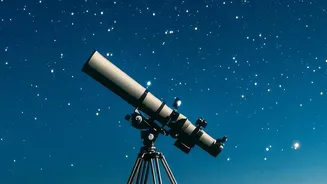
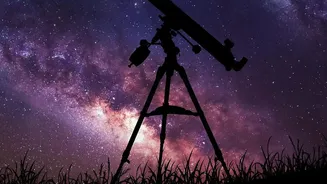
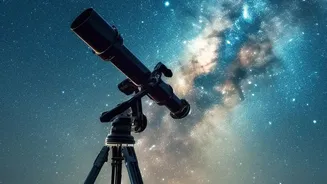
Proving that you don't need to be in the Himalayas or a desert for a celestial show, Coorg in Karnataka offers a wonderful southern alternative. Nestled in the Western Ghats, its high altitude and distance from major urban centres mean many areas have clear, dark skies, especially during the winter months when humidity is low. Coffee plantations and eco-friendly homestays, particularly around Madikeri and Tadiandamol Peak, provide quiet, open spaces perfect for setting up a telescope or simply laying back and watching the stars. While not as dark as Ladakh or Spiti, Coorg provides a lush, green backdrop for a tranquil night of cosmic discovery.