



From Forgotten Grains to Superfoods
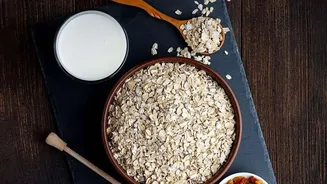
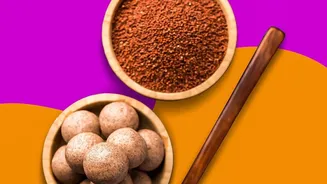
Not long ago, millets like jowar, bajra, and ragi were often dismissed as old-fashioned or rural fare. The Green Revolution in the 1960s heavily promoted high-yield wheat and rice, pushing these ancient grains to the sidelines of the Indian diet. Today,
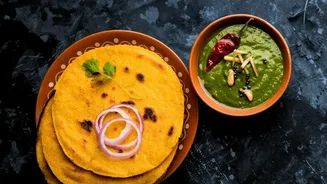
they are being rebranded as nutrient-packed superfoods. Urban consumers are seeking out these grains for their health benefits; they are often gluten-free, high in fibre, and have a lower glycemic index than refined flour. This nutritional profile makes them a modern solution to lifestyle concerns. The shift is visible on supermarket shelves, where millet-based breakfast cereals, cookies, and dosa mixes are increasingly common, replacing their refined flour counterparts.
The Quest for Health and Wellness
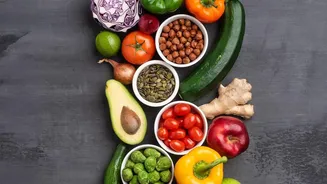
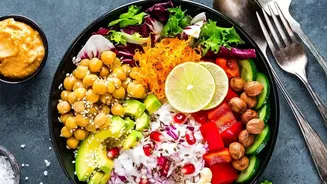
The resurgence is not limited to grains. Ingredients like moringa (drumstick leaves), jackfruit, and turmeric are being celebrated for their potent health properties. Moringa, once a humble backyard staple, is now hailed for being rich in vitamins A and C, antioxidants, and minerals. It's finding its way into smoothies and health supplements. Similarly, ghee, which was once shunned, is now prized for its healthy fats and digestive benefits. This focus on wellness is a direct response to modern life. As consumers become more health-conscious, they are looking for natural, nutrient-dense foods to combat chronic diseases. The trend is a conscious move away from highly processed items toward clean eating, with a focus on ingredients that offer functional benefits beyond basic nutrition.
A Taste of Nostalgia
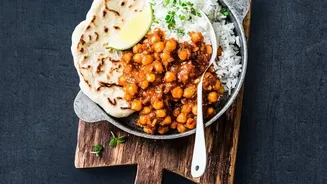
Beyond the health benefits, there is a powerful emotional driver: nostalgia. For many urban Indians, these ingredients evoke memories of childhood and their grandparents' cooking. As lives get busier and more globalised, there's a growing desire to reconnect with one's roots. Cooking and eating traditional foods offer a comforting link to family heritage and cultural identity. This isn't just about recreating old recipes; it’s about preserving culinary traditions and the stories they carry. In a world of fleeting food fads, the authenticity and timelessness of these ingredients provide a sense of grounding and belonging.
The Modern Culinary Makeover
Traditional ingredients are also getting a contemporary facelift from a new generation of Indian chefs and food entrepreneurs. Visionary chefs are championing hyperlocal produce, foraging for indigenous herbs and transforming everyday vegetables into fine-dining experiences. Restaurants are moving beyond standard pan-Indian menus to showcase regional specialities, from the flavours of Kerala to the tribal dishes of Assam. Social media has amplified this movement, with food bloggers and influencers making dishes with tadgola (ice apple) or kantola (spine gourd) go viral. These chefs and creators are not just reviving old ingredients; they are reimagining the narrative around them, making them aspirational and exciting for a new audience.
Sustainable and Conscious Consumption
Finally, there is a growing awareness of sustainability. Many ancient Indian grains, like millets, are hardy, drought-resistant, and require fewer resources to grow compared to wheat and rice. This makes them an environmentally friendly choice in an era of climate change. The focus on local sourcing also means supporting small farmers and regional economies, a concept gaining traction as 'farm-to-table' evolves into a wider movement of consumer-supported agriculture. By choosing indigenous ingredients, urban consumers are not just making a choice for their health, but also for the planet and for local communities. This shift reflects a broader move toward more mindful and ethical consumption.