






A Stand Against Sameness
For years, the modern kitchen was a sea of plastic: matching storage containers, nylon utensils, and disposable everything. It was convenient, cheap, and uniform. But for a generation that values individuality, that uniformity has lost its appeal. Gen
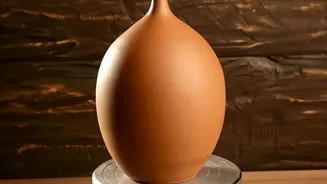
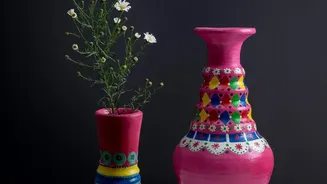
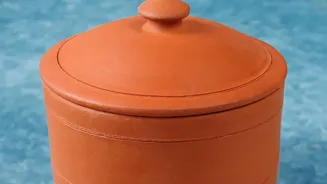
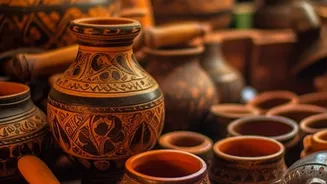
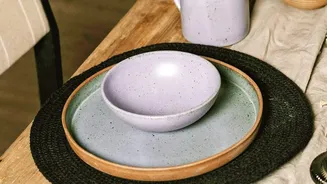
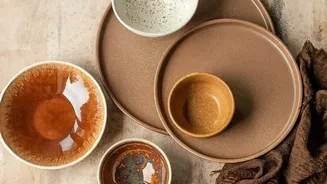
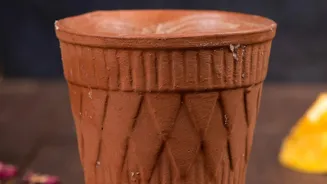
Z home decorators are actively seeking out items that tell a story and reflect a unique personality. Handcrafted pottery, with its subtle variations in shape, glaze, and texture, offers a direct antidote to mass production. Each mug, bowl, or plate is one-of-a-kind, a small piece of art that elevates everyday routines like a morning coffee or a simple meal. This move is a backlash against the cookie-cutter interiors that dominated previous decades, favouring instead a curated space filled with meaningful objects.
The Sustainability Swap
The preference for clay over plastic is deeply rooted in Gen Z's environmental consciousness. Growing up with climate change as a defining issue, this generation is acutely aware of the problems with single-use plastics and disposable culture. Research shows that a significant majority of Gen Z consumers are willing to pay more for sustainable and ethically sourced products. Pottery, made from natural materials, is durable and long-lasting, positioning it as a perfect eco-friendly alternative. By choosing a ceramic mug over a plastic cup or a stoneware container over a disposable one, consumers are making a small but tangible vote for a less wasteful lifestyle. This mindset extends beyond just the kitchen, as they look for brands that prioritize sustainability in their overall practices.
The Rise of the Digital Artisan
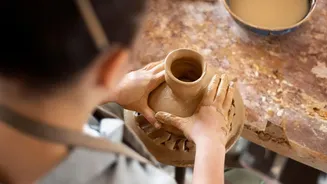
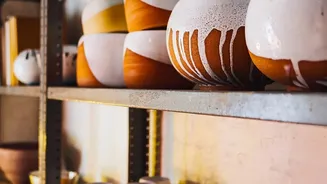
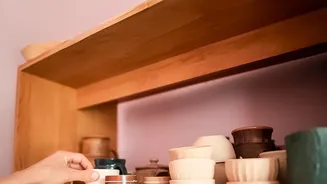
Social media has played a huge role in pottery's resurgence. Platforms like Instagram and TikTok are flooded with aesthetically pleasing videos of potters at their wheels, turning lumps of clay into elegant forms. These posts offer a moment of soothing satisfaction and connect viewers directly with the creative process. This digital exposure has given a new generation of artisans a global platform to showcase their work, bypassing traditional retail gatekeepers. Influencers and everyday users alike share their 'shelfies'—artfully arranged shelves featuring unique ceramic pieces—inspiring followers to seek out their own distinctive items. This has created a powerful feedback loop where artists gain visibility and consumers discover unique pieces that align with their personal style.
Wellness and the Beauty of Imperfection
The turn toward handcrafted goods also reflects a broader wellness trend and an appreciation for mindfulness. In a world of digital noise and constant pressure for perfection, the imperfect, tactile nature of pottery is grounding. The philosophy of 'wabi-sabi'—a Japanese worldview centered on the acceptance of transience and imperfection—resonates strongly. A handmade bowl might not be perfectly symmetrical, and its glaze might have unique drips or color variations, but these are seen as marks of character, not flaws. The act of using these items can be a small, mindful ritual that provides a break from screen-based life. For some, this has even led to an interest in making pottery themselves, with classes becoming popular social and therapeutic outlets.