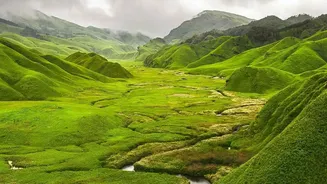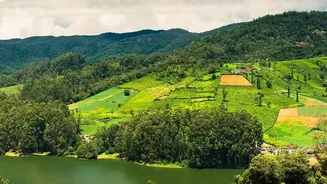



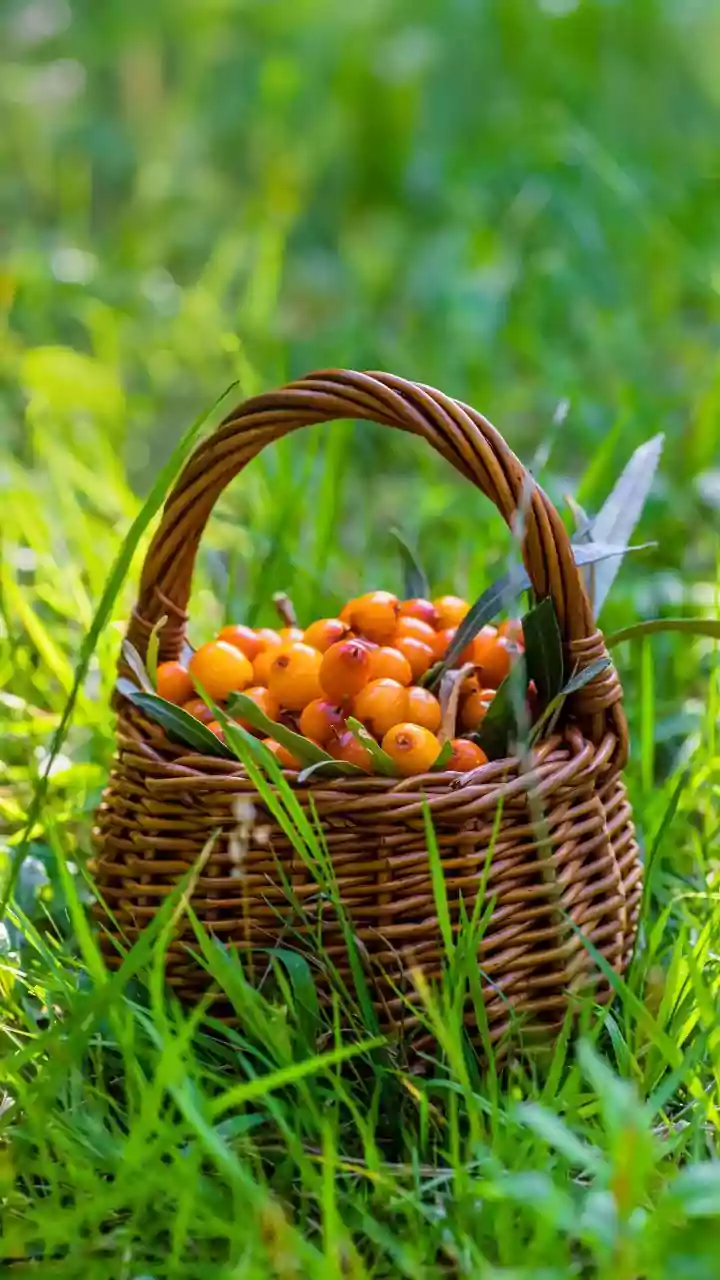



Imagine trekking through Arunachal's misty valleys, surrounded by pine and rhododendron, only to stumble upon rows of apple trees and kiwi vines. This surprising sight is the face of a quiet agricultural revolution adding new charm to the landscape.
A Picturesque Transformation
Arunachal
Pradesh, a state known for its dramatic Himalayan landscapes and rich biodiversity, is witnessing a delightful change in its agricultural canvas. Traditionally dominated by jhum (slash-and-burn) cultivation, many of its serene valleys are now dotted with orderly orchards of apples and kiwis. This shift is not just changing the scenery; it's reshaping livelihoods and adding a new, compelling reason for travellers to explore this northeastern frontier. The introduction of these temperate fruits is proving to be a game-changer for local communities, turning subsistence farming into a more profitable and sustainable venture. These orchards, often cultivated organically, blend seamlessly into the pristine environment, creating a unique fusion of natural beauty and agricultural innovation.
The Kiwi Capital of India
At the heart of this horticultural boom is the Ziro Valley, which has rightfully earned the title of India's kiwi capital. The region's temperate climate and fertile soil provide the perfect conditions for growing high-quality, organic kiwis. In fact, Arunachal Pradesh is the largest kiwi-producing state in the country. This success story began just over two decades ago, transforming a fruit that once grew wild with little market value into a prized crop. In 2020, Ziro's kiwis received an organic certification, a first for the fruit in India, cementing its reputation for quality and sustainable farming practices. This recognition has opened up new markets and even spurred local innovations, such as the production of India's first organic kiwi wine, creating a full-fledged industry around the fruit.
An Apple a Day in the High Altitudes
While kiwi cultivation gains widespread attention, apple orchards have a longer history in the state and continue to be a significant part of its horticultural identity. Areas like West Kameng district, particularly in and around Bomdila and Shergaon, are famous for their apple farms. These high-altitude orchards, located between 1,500 and 2,700 metres, produce crisp and juicy apples that are in high demand across the country. Cultivation began in the latter half of the 20th century as an effort to diversify agriculture. Today, varieties like Royal Delicious and Golden Delicious flourish here, grown using traditional methods that often avoid chemical fertilizers. The harvest season, from September to October, turns these orchards into bustling hubs of activity, offering a picturesque sight for visitors.
The Rise of Agri-Tourism
The success of these orchards has naturally paved the way for a new travel trend: agri-tourism. Visitors are increasingly drawn to the unique experience of walking through blooming apple orchards in the spring or participating in the kiwi harvest in the autumn. This form of tourism offers an intimate look into the lives of the local farming communities, allowing travellers to learn about cultivation, taste fresh produce, and enjoy the tranquil environment. Farm stays are becoming more popular, providing an authentic and immersive experience that goes beyond conventional sightseeing. This synergy between agriculture and tourism not only provides a supplementary income for farmers but also promotes sustainable development by giving visitors a deeper appreciation for the region's culture and environment.