




More Than Just a Thread
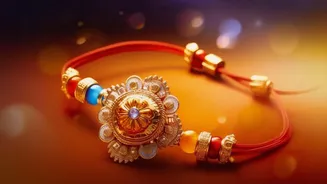
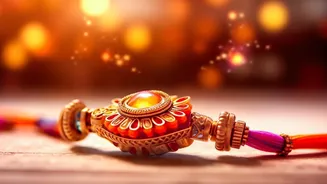
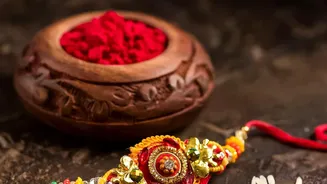
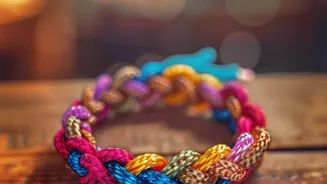
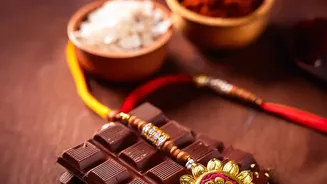
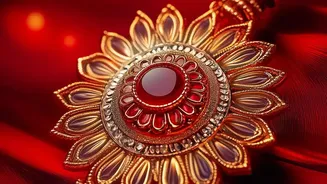
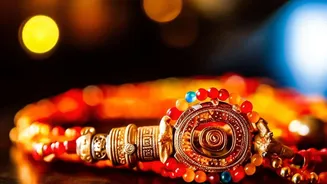
For generations, Raksha Bandhan has been symbolized by a sister tying a sacred thread, or rakhi, on her brother's wrist. But in recent decades, these simple threads have often been replaced by mass-produced versions made of non-biodegradable materials.
Many commercially available rakhis use polyester or nylon threads, plastic beads, synthetic charms, and glitter, all of which contribute to landfill waste after the festival. It's estimated that crores of rakhis end up in the garbage every year, creating a significant environmental burden. This uncomfortable truth has prompted a new generation to question the status quo and seek out alternatives that honour both the tradition and the planet.
The Rise of the Seed Rakhi
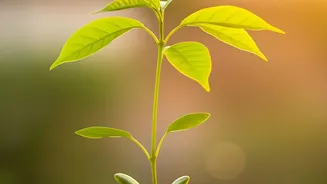
Enter the seed rakhi, an innovative and elegant solution that is capturing the imagination of young India. These aren't just decorative; they are designed with a second life in mind. Crafted from biodegradable materials like organic cotton, jute, and even recycled paper, these rakhis have seeds of flowers, herbs, or vegetables cleverly embedded within them. After the celebration is over, instead of being thrown away, the entire rakhi can be planted in a pot of soil. With a little water and care, the rakhi biodegrades and the seeds sprout, growing into a plant—a living, breathing symbol of the enduring sibling bond. This powerful metaphor of a relationship that grows and flourishes is not lost on those who choose them.
A Celebration of Creativity and Craft
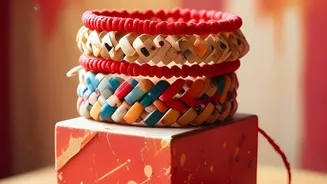
The movement goes beyond just buying a finished product. It's also about a hands-on, creative approach. Across the country, workshops are teaching people how to make their own eco-friendly rakhis from scratch. Using simple, natural materials like air-dry clay, seeds, and natural dyes, individuals can craft a personalised and sustainable token of love. This DIY approach not only reduces waste but also revives an appreciation for handmade crafts. The trend extends to packaging as well, with a conscious shift away from plastic boxes towards cloth pouches, recycled paper, and other sustainable options.
Driven by a New Generation’s Values
This shift is largely driven by millennials and Gen Z, who are increasingly integrating their environmental values into all aspects of their lives, including cultural celebrations. For this demographic, sustainability is not a niche interest but a core principle. They seek authenticity and purpose in their traditions. Choosing a plantable rakhi or a handmade gift is a statement. It says that it's possible to celebrate age-old customs without compromising on modern responsibilities. Social enterprises and small businesses have also played a crucial role, making these eco-friendly options more accessible and supporting local artisans in the process.
A Greener Festival, A Deeper Meaning
The eco-conscious spirit is expanding beyond just the rakhi itself. Families are complementing their celebrations with other green practices. This includes gifting potted plants, opting for homemade sweets to reduce packaging, using reusable decorations, and even tying rakhis to trees to foster a connection with nature. This holistic approach transforms Raksha Bandhan from a single-day ritual into a broader celebration of life, growth, and care—for both siblings and the environment they share. It's a return to a more mindful and rooted way of celebrating, where the meaning of the festival is amplified, not diminished, by the choices made.