





Flavour That Begins with the Soil
Long before a tea leaf or herb reaches your cup, its story begins in the earth. The French have a word for this: 'terroir'. It describes the unique 'taste of a place', encompassing everything from the soil composition and climate to the altitude. Plants
grown in the pristine environments of foothill valleys, like those in the Himalayas, are shaped by these specific conditions. The higher altitude, clean air, and mineral-rich soil can lead to herbs with more concentrated and complex aromatic compounds. This environment acts like a natural amplifier, creating flavours that are delicate, layered, and distinct—a direct reflection of the land where they grew. This is why a sprig of mint or a petal of rhododendron from a high valley often carries a more potent fragrance and taste than one grown elsewhere. The goal of a traditional brew is to showcase this very character.
The Science of Why Milk Mutes Flavour
When you add milk to a robust black tea, it's often to soften its strong, astringent (mouth-drying) character. This happens because of a specific chemical interaction. Milk contains proteins, most notably casein. Herbal teas, on the other hand, are prized for their delicate flavonoids and polyphenols—the very compounds responsible for their nuanced flavours and aromas. When milk is introduced, the casein proteins naturally bind with these delicate compounds, effectively 'locking them up'. Instead of tasting the bright, floral, or earthy notes of the herb, your palate gets a muted, creamier flavour. The fat in milk also traps some of the volatile aroma compounds, softening the crisp scent of the brew. In essence, milk acts as a flavour mask, changing the tea's profile rather than complementing it. For a strong, tannic chai, this is often the goal. For a delicate herbal tisane, it defeats the purpose.
A Tradition of Purity and Wellness
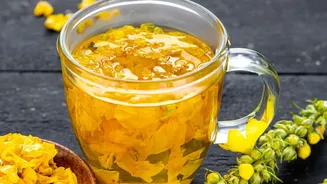
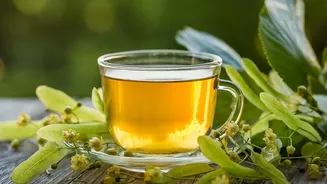
Beyond the science, the tradition of drinking herbal infusions without milk is rooted in a philosophy of purity. In many wellness systems, including Ayurveda, the intention is to receive the full, unadulterated essence of the plant. Adding milk is often seen as a dilution that not only alters the taste but may also interfere with the herb's inherent properties. For generations, communities in regions like Himachal Pradesh and Uttarakhand have crafted herbal blends for calm, digestion, and vitality, using ingredients like tulsi, ashwagandha, mint, and ginger. These brews are consumed as a direct connection to nature. The clear, vibrant infusion is a visual and sensory testament to the herb itself. Drinking it plain is an act of honouring the plant's true character and the traditional knowledge that has been passed down through generations.
Experiencing the Unadulterated Brew
Forgoing milk opens up a completely different world of sensory experience. A pure herbal infusion offers clarity not just in colour, but in taste. You can discern the subtle sweetness of chamomile, the sharp coolness of peppermint, or the gentle, floral notes of rhododendron tea from the Himalayas. Without the creamy weight of dairy, the brew feels lighter and more refreshing, leaving a clean finish on the palate. It allows you to appreciate the complexity that terroir imparts—the journey of the plant from a specific valley to your cup. It’s an invitation to slow down and notice the distinct layers of flavour. This doesn't mean giving up your beloved milky chai; it's about appreciating that different teas are designed for different experiences. One is a comforting, spiced embrace, while the other is a pure, fragrant expression of nature itself.