



The Myth's Green Roots
The belief that indoor plants can scrub the air clean largely stems from a landmark 1989 NASA study. Researchers were looking for ways to purify the air in sealed environments like space stations. In their experiment, they placed various common houseplants
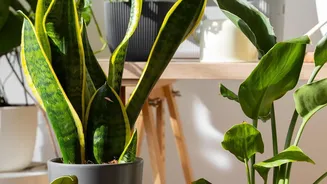
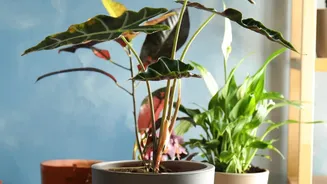
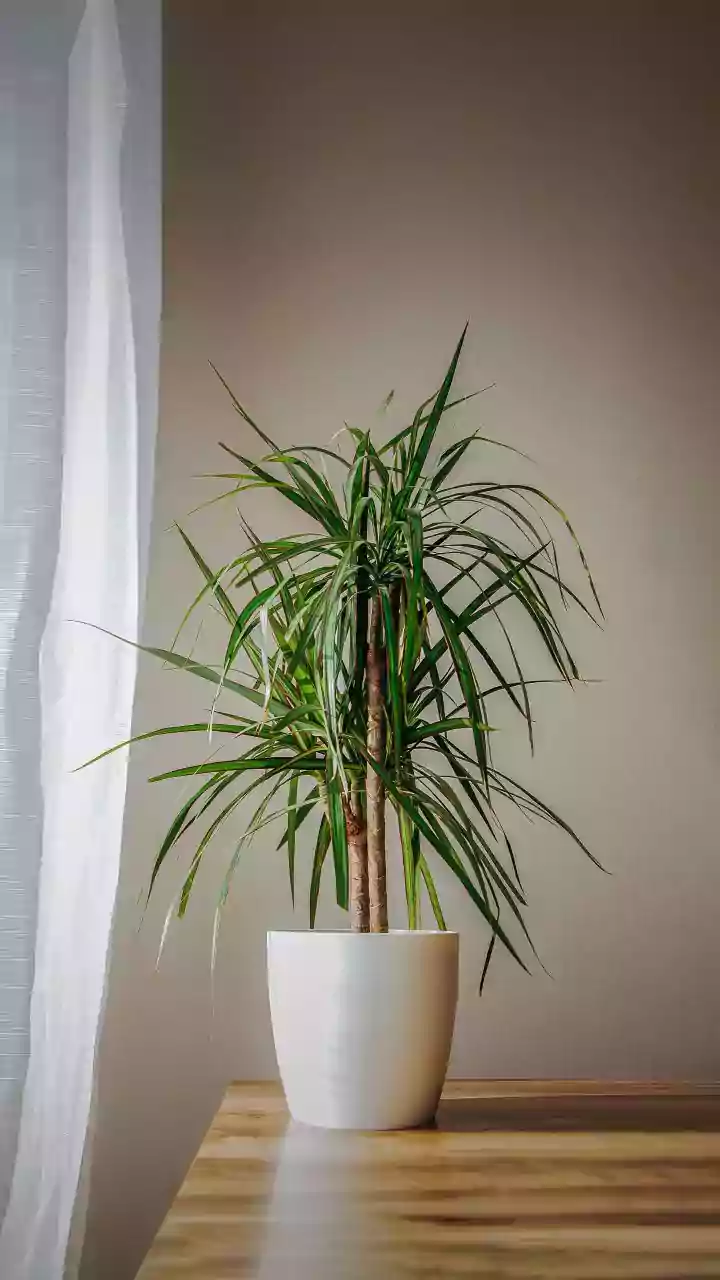
in small, hermetically sealed chambers and introduced volatile organic compounds (VOCs) like benzene and formaldehyde. The results were promising: some plants were able to remove a significant percentage of these pollutants from the chamber's air within 24 hours. This led to the popular conclusion that adding plants like Peace Lilies, Snake Plants, and English Ivy to our homes could create a healthier breathing environment.
From a Sealed Lab to Your Living Room
The problem is that our homes are nothing like a sealed NASA chamber. Subsequent analysis by modern researchers has highlighted a major flaw in applying the study's findings to a real-world home or office. Buildings have much larger volumes of air, and there is constant air exchange from windows, doors, and ventilation systems. These factors dilute the concentration of pollutants, but they also mean that the slow and steady work of a few plants has a negligible impact. In short, the conditions that made the plants look so effective in the lab—a small, sealed space with no air movement—simply do not exist in our daily lives.
The Numbers Just Don't Add Up
For houseplants to have a meaningful impact on indoor air quality, the numbers required are staggering. Different studies have re-analyzed the data and concluded that you would need anywhere from 10 to 1,000 plants per square meter of floor space to compete with a building’s natural rate of air exchange. To put that into perspective, for an average-sized room, you would need to create a dense jungle of hundreds, if not thousands, of plants to achieve a significant cleaning effect. That's far beyond the capacity of a typical plant parent. The rate at which plants remove VOCs is simply too slow to make a real difference in a dynamic home environment where new pollutants are constantly being introduced.
So, What Are Plants Good For?
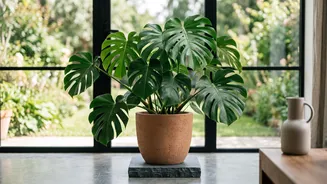
This doesn't mean you should give up on your green friends. While they may not be effective air purifiers, indoor plants offer numerous other proven benefits. Multiple studies have demonstrated their positive impact on mental health, helping to reduce stress and increase concentration. They add aesthetic beauty to a space, can help regulate humidity, and provide a valuable connection to nature, which is especially important as we spend more of our time indoors. So, while you shouldn't rely on them to clean your air, there are plenty of other science-backed reasons to fill your home with greenery.
Real Ways to Improve Your Air
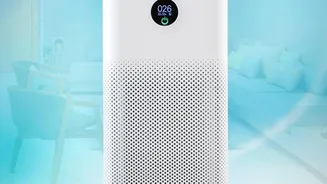
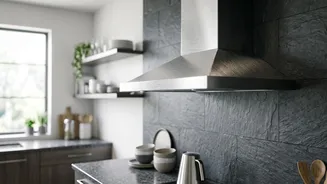
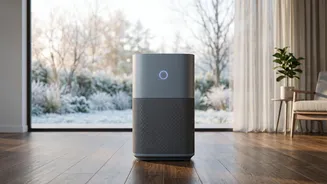
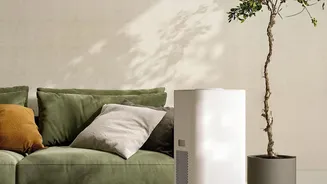
If you are genuinely concerned about indoor air quality, there are far more effective strategies than buying a few more plants. The most effective method is source control—reducing the number of pollutants you bring into your home in the first place by choosing low-VOC paints, furniture, and cleaning products. The next, and perhaps most crucial, step is proper ventilation. Regularly opening windows and doors to allow fresh air to circulate is essential. Using exhaust fans in kitchens and bathrooms helps remove pollutants at their source. For a more robust solution, consider investing in a high-quality air purifier with a HEPA filter, which is designed to capture fine particulate matter, pollen, and other airborne contaminants far more effectively than any plant could.