





A New Generation of Stargazers
The image of an astronomer was once confined to a lone academic in a dusty observatory. Today, it’s just as likely to be a tech professional from Bengaluru with a new DSLR, a family from Mumbai on a weekend getaway, or a group of college students setting
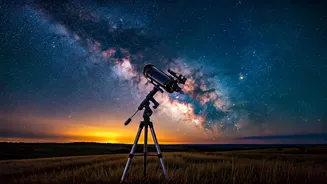
up telescopes on a remote hillside. Across India, a burgeoning community is rediscovering the simple, profound joy of looking up. This isn't just a niche hobby for the scientifically inclined anymore; it’s becoming a mainstream cultural phenomenon. Astronomy clubs are seeing membership swell, workshops on astrophotography fill up instantly, and a new travel sector—astrotourism—is taking flight.
The Push and Pull of Modern Life
What’s fueling this celestial chase? A major driver is a reaction against the very thing that signifies progress: light. As Indian cities grow brighter, the night sky is fading. For millions living in urban centres, the Milky Way is a sight confined to textbooks and films. This growing light pollution has created a powerful desire to escape the urban glow and see what lies beyond. Coupled with this is a post-pandemic yearning for open spaces and meaningful, grounding experiences. After years of being confined indoors, the vast, silent expanse of the cosmos offers a powerful antidote to screen fatigue and the stresses of modern life. It’s a pursuit that combines adventure, technology, and a deep sense of peace.
Technology Brings the Stars Closer
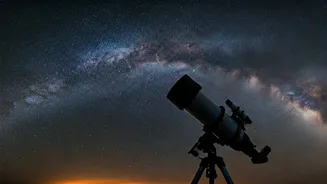
The cosmic boom has also been democratised by technology. High-quality telescopes and digital cameras, once prohibitively expensive, are now more accessible than ever. A decent entry-level telescope can be acquired for the price of a mid-range smartphone, opening the door for countless hobbyists. Moreover, smartphone apps can now identify constellations, track satellites, and provide a wealth of astronomical information with a simple tap. This fusion of tech and tradition allows newcomers to navigate the night sky with confidence, turning a potentially intimidating hobby into an accessible adventure. Social media platforms like Instagram have also played a role, with stunning astrophotography inspiring thousands to try and capture their own piece of the universe.
From Weekend Clubs to Celestial Destinations
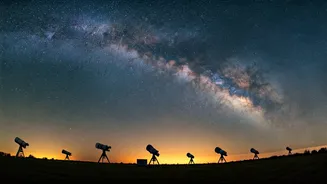
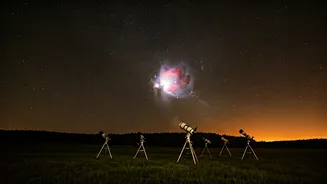
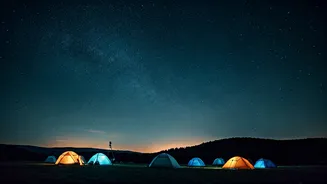
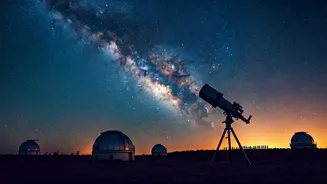
This growing interest has fostered a vibrant ecosystem. In cities like Pune, Delhi, and Hyderabad, amateur astronomy clubs that once catered to a handful of dedicated members now organise large-scale ‘star parties’ for hundreds of attendees. These events are part community gathering, part educational workshop, where seasoned astronomers share their knowledge and equipment with curious beginners. Beyond these local meetups, astrotourism is carving out a significant niche. Tour operators now offer curated trips to dark-sky locations, complete with telescopes and expert guides. This has put places like the salt flats of the Rann of Kutch, the high-altitude deserts of Spiti, and the serene hills of the Western Ghats on the map for a whole new reason.
India’s Crown Jewel: The Hanle Dark Sky Reserve
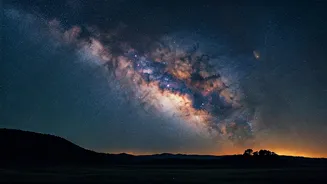
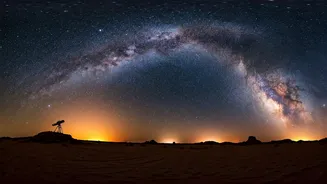
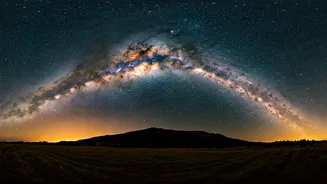
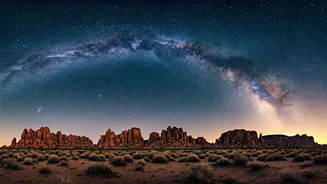
The movement's crowning achievement is the establishment of India's first Dark Sky Reserve in Hanle, Ladakh. This officially designated area is protected from light pollution, ensuring pristine conditions for both scientific research and amateur stargazing. The reserve is not just a destination; it's a statement of intent. It signals a growing awareness of light pollution as an environmental issue and recognises the cultural and scientific value of a dark night sky. For astrotourists, a trip to Hanle is a pilgrimage to one of the best stargazing spots on the planet, offering breathtaking views of the Milky Way arching over Himalayan peaks—a sight that reminds us of our place in the universe.