






Decode the Waterproof Jargon
Before you even start shopping, it’s crucial to understand what the labels mean. Stores are filled with terms that sound similar but offer vastly different levels of protection. 'Water-resistant' is the most basic level, able to handle light splashes
or drizzle but will let water in under sustained rain. [5, 16] 'Water-repellent' is a step up; these items have a coating that makes water bead up and roll off, but this coating can wear off over time. [16, 23] 'Waterproof' is the highest level of protection, meaning the material itself is impervious to water. [5] For true waterproofing, look for products that not only use waterproof materials but also have features like sealed or taped seams to prevent water from seeping through stitch holes. [6]
Choosing Your Armour: Jackets and Outerwear
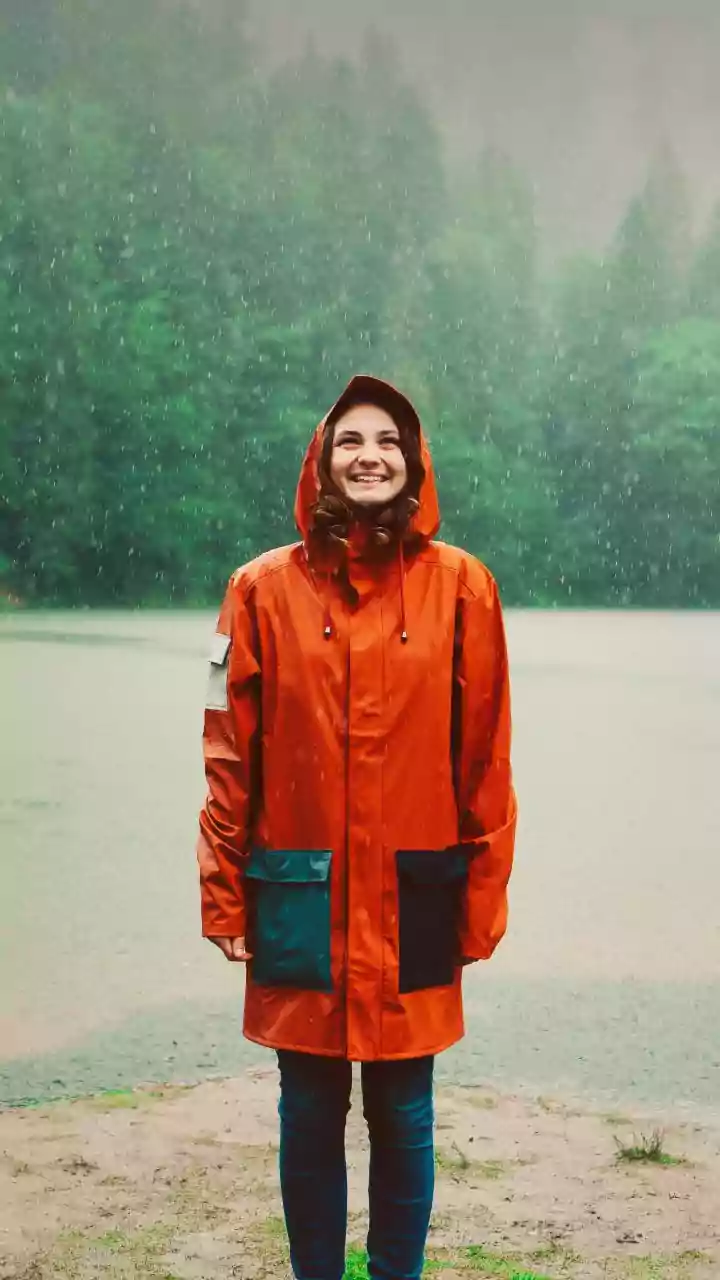
A good raincoat is your first line of defence. Forget fashion jackets that just look the part; focus on function. Look for jackets made from reliable waterproof materials like PVC, polyester, or those with a technical membrane. [29] A crucial feature is the 'hydrostatic head' (HH) rating, which measures how much water pressure a fabric can take before it leaks. [6] A rating of 5,000mm is a decent start for city use, but for heavy downpours, aim for 10,000mm or more. [16, 23] Also, check for practical design elements like a well-designed hood that stays put, storm flaps over zippers, and taped seams—these small details make a huge difference in a downpour. [6, 17]
The Foundation: Practical Monsoon Footwear
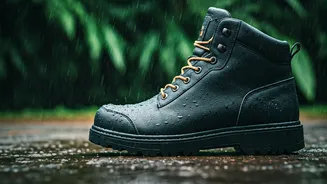
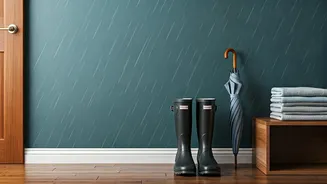
Monsoon footwear is about grip, quick-drying materials, and practicality. This is the season to store your beloved leather, suede, and canvas shoes, as they get ruined by water and take forever to dry, which can lead to fungal infections. [4, 24] The best options are made from rubber, PVC, or Crocs-style materials that are fully waterproof and easy to clean. [7, 13] Look for footwear with anti-slip soles to navigate slippery pavements safely. [15] While flip-flops might seem like a good idea, they can splash muddy water onto your legs and offer little protection. [4] Instead, consider floaters, rubber sandals, or even stylish slip-ons designed for wet conditions. For office-goers, a practical tip is to wear monsoon-appropriate footwear for the commute and change into formal shoes at work. [10, 24]
Carry with Confidence: Bags and Backpacks
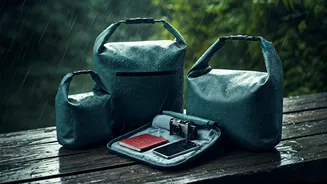
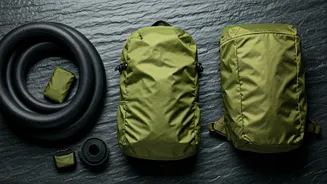
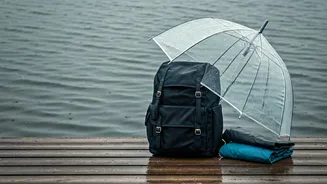
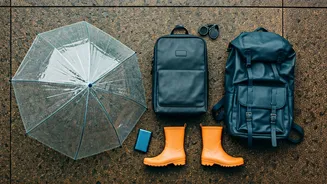
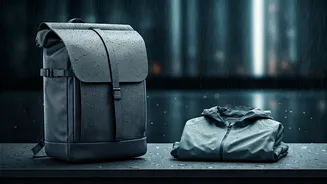
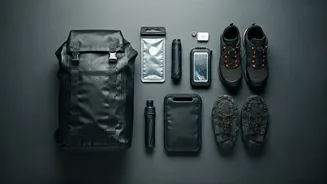
Keeping your belongings dry is just as important as keeping yourself dry. A so-called 'water-resistant' backpack won't protect your laptop or documents in a real storm. Invest in a truly waterproof backpack, often featuring a roll-top closure to create a tight seal. [9] If a new bag isn't an option, you can buy a separate waterproof rain cover for your existing backpack—a simple and effective solution. [28] For smaller items like your phone, wallet, and keys, a small waterproof pouch or even a trusty zip-lock bag can offer an extra layer of security inside your main bag. [20] Don't rely on cotton tote bags, as they absorb water instantly. [9]
Protecting Your Gadgets
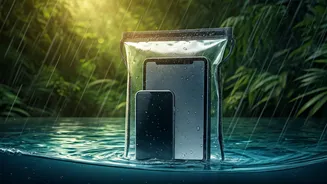
Electronics are particularly vulnerable during the monsoon due to both rain and high humidity. [12] If you're caught outside, a waterproof phone pouch is a small but wise investment. [20] At home, power fluctuations and lightning strikes are a real threat. Using a surge protector for expensive electronics like TVs and computers can save them from sudden voltage spikes. [3, 14] It's also a good practice to unplug sensitive devices during a heavy thunderstorm. [3, 14] To combat the dampness indoors, ensure good ventilation around your devices to prevent moisture buildup and consider using silica gel packets in storage areas to absorb excess humidity. [12, 14]
The Hype to Avoid
The market is full of items that sound essential but aren't. Be wary of clothes made from heavy fabrics like denim, which become incredibly heavy when wet and take ages to dry. [4, 29] Similarly, while light-coloured clothes might be trendy, they often become transparent when wet and are easily stained by muddy splashes. [4, 18] Expensive 'weather-proof' fashion sneakers are often just water-resistant and won't stand up to waterlogged streets. [24] The core principle is to prioritise materials and design that are genuinely built for wet conditions over seasonal fashion trends that offer little practical benefit.