








Fortify Your Space Against the Rains
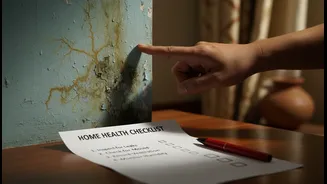
Before the heavy showers begin, do a thorough check of your rental home. Look for any visible cracks in the walls or gaps around window frames where water can seep in. Inform your landlord in writing about any pre-existing leaks or damp patches, as they
are typically responsible for structural maintenance. Check that balcony and bathroom drains are clear of debris to prevent waterlogging. If you notice wooden doors swelling and becoming difficult to close, it's a sign of high humidity that needs to be managed. Simple, proactive checks can prevent major headaches later.
Declare War on Mosquitoes
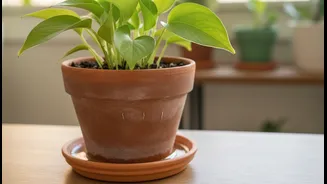
The monsoon is a prime breeding season for mosquitoes, which spread diseases like dengue, malaria, and chikungunya. Since you may have limited control over the building's surroundings, focus on what you can manage. Ensure your windows and doors have intact mosquito mesh. Use mosquito repellents and consider sleeping under a net. Most importantly, eliminate any stagnant water inside and around your home. Check flowerpot saucers, old tyres, buckets, and even air cooler trays, as these are ideal breeding grounds for the Aedes mosquito, which transmits dengue.
Ensure Your Water is Safe
Waterborne diseases like typhoid, jaundice, and gastroenteritis see a sharp spike during the monsoon due to the increased risk of water contamination. If you rely on a shared water tank for the building, the risk is higher. Always boil your drinking water for at least one minute, even if you use a water filter. Avoid using tap water for brushing your teeth or washing vegetables unless you are sure of its purity. When eating out, be cautious about drinks with ice and stick to bottled water from reliable sources.
Master Monsoon Food Safety
High humidity causes food to spoil faster and encourages bacterial growth. It's best to avoid street food, especially items like chaat, juices, and pre-cut salads, which may be prepared with contaminated water or exposed to germs. At home, wash all fruits and vegetables thoroughly, perhaps with a bit of salt water. Opt for freshly cooked, hot meals. Store leftovers in the refrigerator immediately and avoid consuming raw or undercooked food. Keeping your kitchen clean and storing spices and other items in airtight containers can also help prevent contamination.
Combat Dampness and Mould
Dampness is a renter's biggest enemy during the monsoon. It can ruin clothes, furniture, and lead to the growth of mould, a fungus that can trigger allergies and respiratory issues. Ensure adequate ventilation by opening windows on dry, sunny days and using exhaust fans in kitchens and bathrooms. Try not to dry clothes indoors, as this releases a lot of moisture into the air. If you must, keep a window open. You can place natural dehumidifiers like rock salt or charcoal briquettes in closets and corners. Keep furniture a few inches away from walls to allow air to circulate.
Prioritise Electrical Safety
Water and electricity are a dangerous combination. Before the monsoon, it is wise to have a basic check of your home's wiring. Ensure all sockets are away from potential water leakage spots. Never touch switches or appliances with wet hands. During thunderstorms, it's a good idea to unplug non-essential electronics to protect them from power surges. If you see a sparking socket or notice any issue, switch off the mains and call an electrician immediately. Inform your landlord of any recurring electrical problems.
Assemble a Monsoon Health Kit
Being prepared can make all the difference. Keep a basic first-aid kit ready with essentials for common monsoon ailments. This should include antiseptic lotion, bandages for cuts and scrapes, a pain reliever, medication for fever, and tablets for diarrhoea or indigestion. Having oral rehydration salts (ORS) on hand is also crucial to manage dehydration caused by stomach infections. A good insect repellent and calamine lotion for insect bites are also useful additions to your monsoon-ready kit.