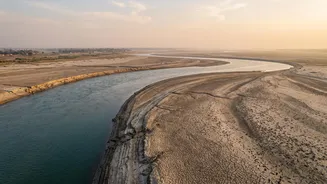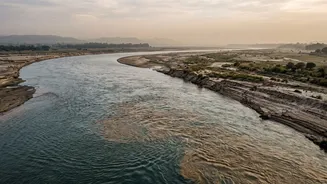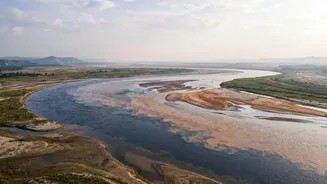





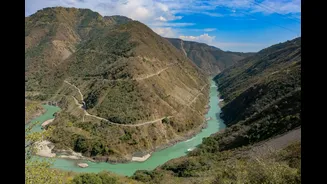
A landmark 30-year treaty on sharing the waters of the river Ganges is set to expire in December 2026, pushing Bangladesh to prepare for critical negotiations with its upper-riparian neighbour, India, over a resource vital to millions.
The Treaty of 1996
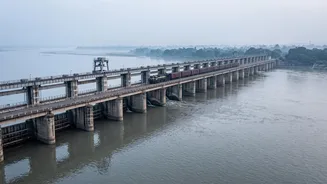
Signed on December
12, 1996, the Ganges Water Sharing Treaty was a diplomatic milestone. It established a 30-year framework for sharing the river's flow during the critical dry season, from January 1 to May 31, at the Farakka Barrage in West Bengal. Located just 16.5 kilometres from the Bangladesh border, this barrage has been a point of contention since it became operational in 1975. Its purpose was to divert water into the Hooghly River to flush out sediment and maintain navigability at Kolkata Port. However, this diversion significantly reduced the dry-season flow downstream into Bangladesh, where the Ganges is known as the Padma. The 1996 treaty was designed to bring predictability and cooperation, outlining a complex formula for water allocation based on the total flow available at Farakka.
A Lifeline for Bangladesh
The Ganges-Padma river system is the lifeblood for a third of Bangladesh’s population, or more than 50 million people. It irrigates vast agricultural lands, supports the world's largest mangrove forest, the Sundarbans, sustains fisheries, and keeps river channels navigable. Critically, the freshwater flow pushes back saltwater intrusion from the Bay of Bengal, which threatens coastal agriculture and drinking water supplies. Since the Farakka Barrage's construction, Bangladesh has reported severe environmental consequences due to reduced flow, including the drying up of distributary rivers, falling groundwater levels, increased salinity, and disruptions to delicate ecosystems. The lack of water and sediment flow has also been linked to increased riverbank erosion and flooding during the monsoon, as the riverbed rises.
Stakes for the Renewal
As the 2026 expiry date approaches, Bangladesh is treating the renewal as a matter of urgent national interest. The government has formed a technical committee to formulate its negotiating position, with officials stating that discussions are already underway at various working levels. Bangladesh is seeking a new, long-term arrangement that ensures its fair share and potentially includes a 'guarantee clause' to secure a minimum flow, a provision present in a 1977 agreement but absent from the 1996 treaty. Experts and officials in Dhaka argue that any new pact must account for increased water demand, the impacts of climate change, and the needs of the entire river basin.
The Geopolitical Context
The negotiations are not happening in a vacuum. They come at a time of a changed political landscape in Bangladesh and evolving bilateral ties with India. The issue is a politically sensitive one in Dhaka, where water rights are a subject of public concern. Furthermore, the Ganges issue is part of a broader water relationship involving 54 shared rivers. The longstalled agreement on the Teesta River, another critical water source for northern Bangladesh, serves as a persistent reminder of the complexities of water diplomacy in the region. How the two nations navigate the Ganges treaty renewal will be a significant test of their relationship, with implications for regional stability and cooperation on shared resources.