




The Numbers in a Nutshell
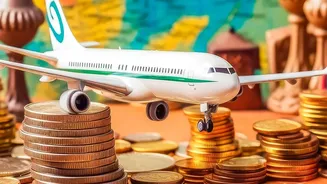
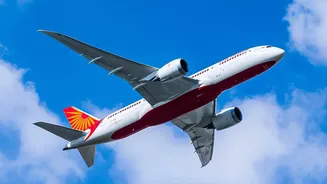
For the first half of fiscal year 2027, covering the six months ending September 30, 2026, Singapore Airlines reported its share of Air India's losses to be approximately S$361.7 million, or around ₹2,640 crore. This figure was down from S$429.5 million in the same
period last year, suggesting a narrowing of losses at the Indian carrier. Based on SIA's 25.1% stake, this implies an estimated total loss for Air India of around ₹10,500 crore for the half-year. While an improvement, it underscores the significant financial turnaround still required at the Tata Group-owned airline.
Why SIA Records Air India's Losses
This financial reporting is a standard practice known as the 'equity method' of accounting. It applies when a company holds a significant influence over an associate company, typically through a 20-50% ownership stake. SIA received its 25.1% stake in the merged Air India-Vistara entity in November 2024. Under this method, the investing company (SIA) must recognise a proportionate share of the associate's (Air India's) net profit or loss in its own income statement. It's important to note this is a non-cash entry; it reflects the decrease in the value of SIA's investment due to Air India's performance, not a direct cash payment from SIA to cover the losses.
The Vistara Merger and a Long-Term Vision
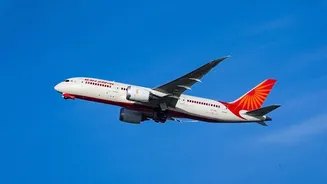
This entire arrangement is a direct consequence of the merger between Air India and Vistara, which was formerly a joint venture between Tata Sons and SIA. By rolling its Vistara stake into the larger Air India group, SIA made a strategic decision to trade its holding in a premium, profitable airline for a minority stake in a much larger, but loss-making, national carrier undergoing a massive transformation. This move provides SIA with a vital foothold in one of the world's fastest-growing aviation markets, a core component of its 'multi-hub' strategy beyond its Singapore base.
A Bet on a Turnaround
Both SIA and Tata Sons have consistently stated that Air India's transformation will take time. The current losses are expected, stemming from massive investments in fleet renewal, cabin refurbishment, technology upgrades, and efforts to improve operational efficiency. Air India's new CEO, Tewolde Gebremariam, who took charge in October 2026, has already initiated several measures, including network rebalancing and a renewed focus on cost discipline. While SIA executives have expressed confidence in these steps, they also manage expectations, noting that the positive effects of these changes are not yet reflected in the financial results.
Impact on Singapore Airlines
The share of Air India's losses directly impacts SIA's bottom line. For the first half of FY27, SIA's net profit fell by nearly 44% to S$134 million, partly due to the drag from Air India's performance, though surging jet fuel prices were also a major factor. However, the reduction in the loss share from Air India compared to the previous year actually provided a positive contribution to SIA's results, lessening the overall decline. Investors and analysts continue to watch this space closely, understanding that while the red ink is a short-term reality, the long-term success of SIA's bet hinges entirely on the pace and success of Air India's recovery.