






A New Digital Migration
The first wave of digital nomads was driven by a simple equation: earn in dollars, spend in baht or rupiah. They sought sunshine, low living costs, and reliable Wi-Fi. But a new, more intentional tribe is now logging on from paradise. These are the eco-centric
nomads, a growing cohort of remote workers for whom sustainability isn't just a buzzword, but a core principle guiding their choice of destination. They are trading bustling city-scapes for communities where their environmental values are reflected in the local lifestyle. This shift marks a maturation of the digital nomad movement, moving beyond pure arbitrage to a quest for a more holistic and value-aligned way of life.
Why Bali? Island of Gods and Green Goals
Bali has long been a magnet for spiritual seekers and wellness enthusiasts. This existing cultural fabric makes it fertile ground for the eco-nomad movement. The island’s Hindu traditions, with their emphasis on balance and respect for nature (Tri Hita Karana), resonate deeply with those looking to live more consciously. This spiritual foundation is now complemented by a modern, tangible infrastructure of sustainability. Areas like Ubud and Canggu have become epicentres, not by official designation, but through a grassroots proliferation of businesses dedicated to green principles. It’s this unique blend of ancient philosophy and contemporary eco-innovation that makes Bali more attractive than other, cheaper nomad hotspots.
Life Inside the Eco-Hub
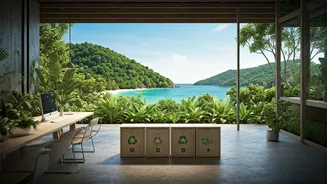
So, what does a 'zero-waste hub' in Bali actually look like? It’s not a gated community but an ecosystem. It’s the co-working space powered by solar panels. It’s the cafe that sources its produce from an on-site organic garden and composts all food scraps. It’s the villa built from reclaimed wood and bamboo. Crucially, it’s the network of services that make a low-impact lifestyle feasible. Stores like 'Zero Waste Bali' allow residents to refill everything from cooking oil to shampoo, eliminating single-use packaging. Farmers' markets offer direct access to local, organic produce. This interconnectedness allows nomads to seamlessly integrate sustainability into their daily routine, making it not a chore, but the default way of living.
Beyond the Bamboo Straw
For these nomads, the commitment goes deeper than simply refusing a plastic bag. It's a philosophy. They are often entrepreneurs, consultants, and creatives whose work itself may be focused on social or environmental impact. They choose co-living spaces that host workshops on permaculture and conscious capitalism. The community aspect is paramount; they are connecting with like-minded individuals who believe that professional ambition and planetary well-being are not mutually exclusive. This lifestyle is an active rejection of the traditional corporate grind, where success is measured not by the size of one’s paycheque, but by the smallness of one’s carbon footprint and the richness of one’s community connections.
The Green Paradox
However, this utopian vision is not without its complexities. The most glaring contradiction is what is often called the 'green paradox': the immense carbon footprint generated by the long-haul flight required to get to Bali in the first place. Critics point out that the environmental benefits of using a bamboo toothbrush can be instantly negated by a 15-hour flight. Furthermore, the influx of wealthy foreigners, however well-intentioned, can drive up property prices, strain local resources like water, and create a cultural divide. The most self-aware eco-nomads grapple with these issues, often committing to longer stays to reduce air travel frequency and actively participating in local environmental initiatives, such as beach clean-ups, to give back to the community that hosts them.