







The End of the 'One-Size-Fits-All' Era
The Indian e-commerce market is no longer just a battleground for the biggest players offering generic goods. We are witnessing a significant move away from the mass-market mindset, where consumers are actively seeking products that align perfectly with
their unique lifestyles, values, and even highly specific problems. Instead of a single, all-purpose blender, shoppers are now looking for a 'personal blender' for smoothies or an 'immersion blender' for soups. This fragmentation of the market means the era of a single product being 'good enough for everyone' is giving way to a new age of 'perfect for me'. This shift is powered by today's shoppers who are more informed, connected, and demand authenticity and transparency.
The Rise of the Niche Shopper
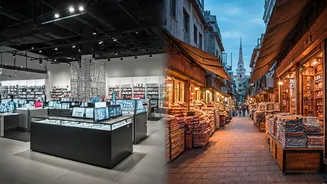
So, what's behind this change? It's you, the consumer. Modern Indian shoppers, especially Gen Z, are more experimental and value-driven. They are discovering brands and products not in malls, but through social media feeds, influencers, and online communities. This digital-first discovery process allows them to find brands that cater to very specific needs—be it sustainable fashion, Ayurvedic skincare rooted in cultural traditions, or snacks for a particular dietary requirement. These niche brands build stronger customer loyalty because they create a sense of being understood. When a customer feels a brand truly gets their needs, they are more likely to become repeat buyers and advocates.
Technology and D2C as Enablers
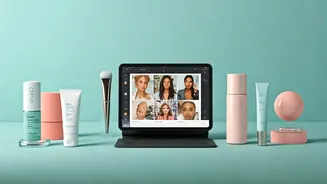
This movement wouldn't be possible without technology. AI-driven algorithms on e-commerce platforms and social media have become incredibly adept at personalization, showing us products based on our browsing history and past purchases. This creates a tailored shopping experience that major retailers like Nykaa have used to boost sales significantly. Furthermore, the rise of the Direct-to-Consumer (D2C) model has been a game-changer. With over 800 active D2C brands in India, these companies bypass traditional middlemen, allowing them to own the entire customer journey, gather direct feedback, and build stronger relationships. This direct connection helps them to innovate faster and serve their niche audiences more effectively than larger, slower-moving corporations.
What It Means for Retail in India
For businesses, this trend presents both a challenge and a massive opportunity. Competing on price alone is becoming less effective against the appeal of specialized, high-quality niche products. Brands that focus on a specific audience can often command higher prices and foster greater loyalty. The Indian D2C market is projected to grow substantially, reaching an estimated $60 billion by 2030. This growth is increasingly coming from Tier-2 and Tier-3 cities, where shoppers have aspirations but previously lacked access to specialized brands. However, success isn't guaranteed. Rising customer acquisition costs and complex logistics are significant hurdles that D2C brands must navigate. The key to success lies in authentic community engagement and data-driven strategies to understand and serve a specific customer base better than anyone else.