





The Unseen Journey of Your Meal
When you order a meal, you only see the final, delicious result. But before it reaches your table, every ingredient has been on a long journey. Food handling is the comprehensive process of managing food from the moment it's received as raw material to
when it is served. This includes storing, preparing, cooking, and plating. Every step carries a risk of contamination if not performed correctly. Safe food handling isn't just about cooking; it’s about a constant, vigilant process that ensures the food served is not just tasty, but fundamentally safe to eat. This entire chain of custody, much of it happening behind kitchen doors, is where food safety is either won or lost.
The Real Risks of Improper Handling
Improper food handling can lead to foodborne illnesses, which can range from a mild inconvenience to a severe health crisis. Harmful bacteria like Salmonella and E. coli can multiply rapidly on food that is not stored, cooked, or handled correctly. Cross-contamination is a major culprit, occurring when germs are transferred from raw foods (like meat) to ready-to-eat foods via hands, utensils, or surfaces. Another significant risk is temperature abuse. There is a 'danger zone' for food, typically between 5°C and 60°C, where bacteria thrive. Leaving food in this temperature range for too long can turn a perfectly good dish into a health hazard. For a restaurant, an outbreak can cause reputational damage, legal trouble, and a loss of customer trust that can be impossible to recover.
What a Modern Food Handler Learns
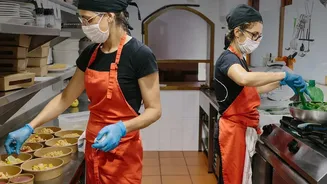
To combat these risks, structured training is becoming essential. In India, the Food Safety and Standards Authority of India (FSSAI) has an initiative called FoSTaC (Food Safety Training and Certification) which aims to train food handlers across the industry. These courses cover a wide range of critical topics. Key modules include personal hygiene, which stresses rigorous handwashing and the use of clean uniforms. Trainees also learn the science of temperature control: how to keep cold foods cold (below 5°C) and hot foods hot (above 60°C), and the proper procedures for cooling, reheating, and thawing food. A major focus is on preventing cross-contamination by using separate cutting boards and utensils for different types of food. Allergen management is another crucial component, teaching staff how to prevent allergens from unintentionally ending up in a dish and how to communicate this information to customers.
An Investment in Trust and Safety
For any food business, from a cloud kitchen to a large hotel, investing in staff training is not a cost but a vital investment. It is mandatory for licensed food businesses in India to have at least one certified Food Safety Supervisor for every 25 food handlers. This regulation underscores the national importance of a skilled workforce. A well-trained team reduces the risk of food safety incidents, which in turn protects the business from legal action and negative publicity. More importantly, it builds a culture of professionalism and care within the kitchen. For customers, this commitment translates into greater confidence and trust. Knowing that the people preparing your food are trained professionals provides peace of mind, allowing you to simply enjoy the dining experience. It enhances the credibility of the business and fosters customer loyalty.