





The Maharashtra Alert: What Was Found?
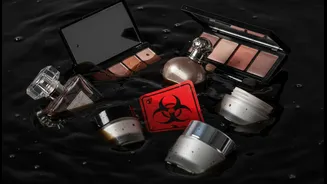
In early July 2026, the Maharashtra Food and Drug Administration (MFDA) issued a public warning against three specific cosmetic products: Goree Beauty Cream, Face Fresh Gold, and Golden Star Beauty Cream. Laboratory tests revealed that these products contained
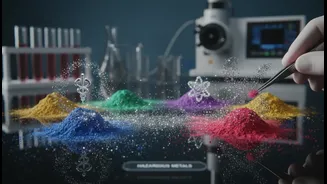
dangerously high levels of mercury and lead, far exceeding the legally permissible limits. One analysis cited by an expert found mercury levels 752 times higher than the legal threshold. The FDA classified them as “Not of Standard Quality” (NSQ) and warned that prolonged use could lead to severe health consequences, including kidney damage, harm to the nervous system, and serious skin problems. Compounding the issue, the products also failed to meet basic labelling requirements, lacking essential details like manufacturer information, batch numbers, or expiry dates.
Mercury: The Poison in the Pursuit of Fairness
Why is a potent neurotoxin like mercury being added to cosmetic creams in the first place? The answer is simple and dangerous: it works. Inorganic mercury compounds inhibit the production of melanin, the pigment that gives skin its colour. This action leads to rapid, visible skin lightening, a desirable effect in markets where fairness is often aggressively marketed and equated with beauty. This effect, however, is a form of chemical damage. The World Health Organization (WHO) lists mercury as one of the top ten chemicals of major public health concern. When applied to the skin, it is absorbed into the bloodstream and can accumulate in the body, particularly in the kidneys. The potential health risks are severe and well-documented, ranging from skin rashes and discoloration to kidney failure and neurological damage, such as tremors and mood disturbances. Pregnant women and children are especially vulnerable.
The Rules: What Indian Law Says About Mercury
The use of mercury in cosmetics is not a grey area in India. The Drugs and Cosmetics Act, 1940, and the more recent Cosmetic Rules, 2020, are quite clear. The intentional addition of mercury compounds to cosmetics is prohibited. However, regulations allow for a trace amount of unintentional mercury contamination, setting a strict permissible limit of 1 part per million (1 ppm) in finished cosmetic products. This aligns with global standards, including the Minamata Convention on Mercury, which India has ratified. The problem, therefore, is not a lack of rules, but a persistent challenge with enforcement, especially concerning illegally imported or unorganised sector products that bypass regulatory checks. Many of the offending products found in the market are manufactured abroad and sold illegally.
A Larger Pattern of Deception
The Maharashtra alert is not an isolated incident. Across India, routine market surveillance and independent testing frequently uncover products containing illegal ingredients. This issue is part of a wider problem known as 'greenwashing' or deceptive marketing, where brands use terms like “natural,” “herbal,” or “organic” without strict verification, as these terms are not tightly regulated in India's cosmetic industry. This leaves consumers vulnerable. The products flagged by the MFDA are often sold through unofficial channels, in local markets, or online, preying on consumers seeking quick results at a low price. They often lack proper labelling, which is a clear red flag. The reality is that despite strong laws on paper, the vast and fragmented nature of the Indian market makes it difficult to police every corner.
How to Protect Yourself and Your Family
In a market with regulatory gaps, consumer vigilance is the first line of defence. The most important step is to be a discerning buyer. Always purchase cosmetics from reputable retailers and authorised dealers. Scrutinise the packaging: look for a full, clear ingredient list, the manufacturer's name and address, a manufacturing date, an expiry date, and a batch number. Be deeply skeptical of products that promise dramatic results, like fairness in a matter of days. Avoid imported products that lack proper labelling or an authorised Indian importer sticker. If a product seems too good to be true, it likely is. Finally, if you experience any adverse reaction to a cosmetic product, stop using it immediately and report it to the authorities and a medical professional.