





The Heart of the Matter: Choosing Your Olive Oil
The soul of any Mediterranean dressing is, without question, the olive oil. For dressings, where the oil is eaten raw, you should always reach for extra virgin olive oil (EVOO). Unlike refined oils, EVOO is unprocessed, retaining the full flavour and
aroma of the olives. Its taste can range from smooth and buttery to robust and peppery. A good rule of thumb is to match the oil to your salad's ingredients. A delicate, smooth EVOO is perfect for tender greens and fruit, while a robust, grassy oil can stand up to bitter leaves, hearty grains, and strong cheeses like feta. When you shop, look for oils in dark glass bottles or tins, as light can degrade the quality. Also, check for a harvest date to ensure you're getting a fresh product.
The Golden Ratio and the Magic of Emulsification
The classic formula for a vinaigrette is a simple ratio: three parts oil to one part acid. Some modern recipes prefer a 2:1 or even a 1:1 ratio for a brighter, tangier flavour, so feel free to experiment. The key is understanding emulsification. Oil and vinegar naturally separate. To create a creamy, cohesive dressing that coats your salad evenly, you need to break the oil into tiny droplets and suspend them in the vinegar. This is where an emulsifier comes in. Ingredients like Dijon mustard, honey, or even finely minced garlic act as a bridge between the oil and acid, creating a stable, silky texture. Vigorously whisking or shaking the ingredients in a jar are the two most common methods for achieving a beautiful emulsion.
The Essential Ingredients
Beyond oil, a few pantry staples form the foundation of countless Mediterranean dressings. Your choice of acid provides the bright, tangy counterpoint to the rich oil. Freshly squeezed lemon juice is a classic, lending a zesty, clean flavour essential to dressings like Greek Ladolemono. Red wine vinegar offers a sharp, fruity tang that's a staple in many Italian and Greek vinaigrettes. Other options like white wine vinegar or balsamic vinegar also work well. For flavour and emulsification, Dijon mustard is a powerful ally. It adds a spicy complexity and helps hold the dressing together. Finally, simple seasonings are crucial. A pinch of salt enhances all the flavours, while freshly ground black pepper adds a touch of heat. Minced fresh garlic and dried herbs like oregano are also signature Mediterranean additions.
Recipe: A Classic Lemon-Herb Vinaigrette
This versatile dressing is a perfect starting point. It works beautifully on simple green salads, grain bowls, or as a marinade for chicken and fish. You can make it in a bowl or simply combine all ingredients in a mason jar, seal it, and shake vigorously. Ingredients: ½ cup extra virgin olive oil, ¼ cup fresh lemon juice, 1 teaspoon Dijon mustard, 1 minced garlic clove, ½ teaspoon dried oregano, ½ teaspoon salt, and ¼ teaspoon freshly ground black pepper. A small amount of honey or maple syrup is optional if you prefer to balance the acidity. To prepare, first whisk together the lemon juice, Dijon mustard, garlic, oregano, salt, and pepper in a small bowl. Then, while whisking continuously, slowly drizzle in the olive oil until the dressing is creamy and emulsified. Taste and adjust seasoning if needed before serving.
Simple Variations to Try
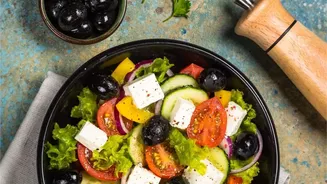
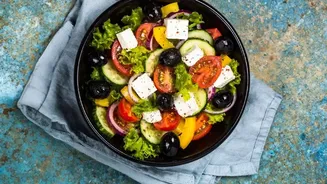
Once you've mastered the basic formula, the possibilities are endless. For a classic Greek-style red wine vinaigrette, swap the lemon juice for red wine vinegar. It’s a perfect match for a traditional salad with tomatoes, cucumber, onions, and feta cheese. For an Italian twist, you can add finely chopped fresh herbs like parsley and basil. For a creamier dressing without dairy, a spoonful of tahini can be added, which also acts as a wonderful emulsifier. If you enjoy a touch of sweetness, a small drizzle of honey or maple syrup can balance the sharpness of the vinegar or lemon juice. The key is to taste as you go and adjust the components until the dressing perfectly suits your palate and your salad.