





The Rise of the Digital Memory Keepers
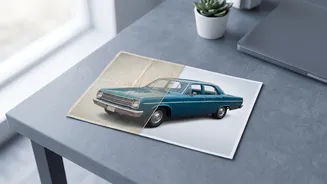
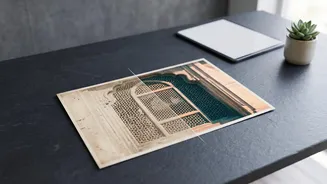
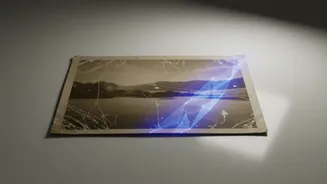
Across social media, a heartwarming trend is unfolding. Young creators are digging into their family archives, unearthing faded, scratched, and blurry photos of grandparents, parents, and long-lost relatives. Instead of letting them degrade further, they
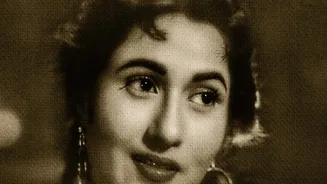
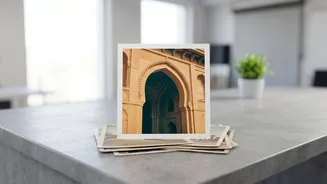
are using artificial intelligence to restore them. These revived images—now crisp, clear, and often vividly colorized—are being shared widely, sparking conversations between generations and connecting creators with a past they may have only heard about in stories. This isn’t just about cleaning up an old picture; it's about reclaiming family history and sharing it in the digital language of today. What was once a highly specialized and expensive service offered by professional photo retouchers is now accessible to anyone with a smartphone. This democratization of photo restoration has unleashed a wave of creative nostalgia, allowing young people to become digital archivists for their own families.
How AI Breathes New Life Into Pixels
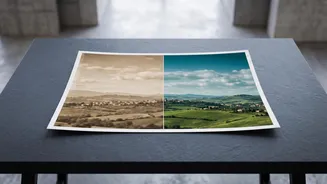
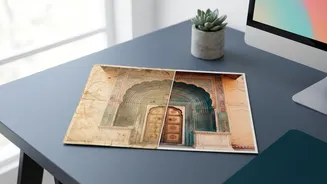
So how does a grainy, sepia-toned image from the 1970s transform into a high-resolution portrait that looks like it could have been taken yesterday? The magic lies in AI models trained on millions of pairs of images—one low-quality, one high-quality. Through a process called deep learning, these systems learn what constitutes a “good” photograph. They can identify common problems like scratches, stains, noise, and fading, and then intelligently reconstruct the missing or damaged parts. When you upload a photo, the AI analyzes it, detects issues, and applies targeted fixes. To boost resolution, the AI doesn’t just stretch the image; it intelligently adds new pixels based on its understanding of textures and patterns, effectively guessing what details should be there. For colorization, the AI predicts the original colors of a black-and-white photo based on its vast database, turning grey skies blue and adding realistic skin tones.
The Creator’s Digital Toolbox
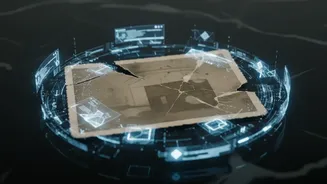
A host of user-friendly apps and plugins are powering this trend. Tools like Remini, MyHeritage, and offerings from major players like Adobe with its Firefly AI and Photoshop Neural Filters have made restoration a one-click affair. Many of these services, such as Picsart and Evoto AI, operate directly in a web browser, requiring no technical skill. Users simply upload a scanned photo and let the algorithm work. These tools can automatically sharpen faces, reduce grain, correct color, and repair physical damage like tears and creases. The speed and accessibility are the main draws. A task that would have taken a professional retoucher hours or days can now be completed in seconds, allowing a creator to restore an entire family album in an afternoon.
More Than Just an Image
For many young creators, this is about more than just technology; it's about identity and connection. Seeing a great-grandparent’s face in sharp detail for the first time can be a profound experience, forging a tangible link to one's heritage. In an increasingly digital world, these restored photos serve as powerful emotional artifacts. They become the centerpiece of social media posts, videos, and family history projects that resonate deeply with audiences. This trend is also driven by what psychologists call historical nostalgia—an emotional connection to a time one never experienced. By restoring these images, creators are not just looking at the past; they are participating in it, imagining their family’s world and sharing that discovery with others.
The Limits of Artificial Memory
Despite the impressive results, AI restoration has its limitations. The technology is essentially making educated guesses. When a part of an image is completely missing, especially in a face, the AI doesn't recover lost information—it invents a plausible replacement based on its training data. This can lead to inaccuracies, subtly altering a person’s appearance or introducing details that were never there. Experts caution that while AI is excellent for fixing moderate damage like scratches and fading, it struggles with severe issues and lacks the interpretative skill and historical context of a human artist. A human restorer can incorporate a family member's memory into their work; an AI can only work with the pixels it's given. The risk is that these convincing but partially fabricated images could one day be accepted as reality, quietly rewriting personal histories.