


Beyond the Traditional Halwai
For generations, the Indian mithai experience has been defined by the local halwai. We all have our favourites: the perfect motichoor ladoo from a corner shop, the silkiest kaju katli reserved for Diwali, or the hot, syrupy jalebis on a rainy day. These
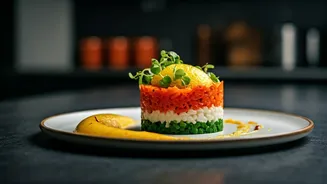
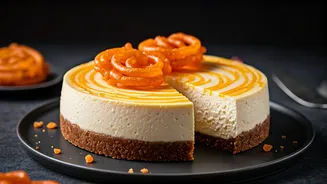
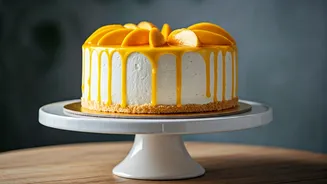
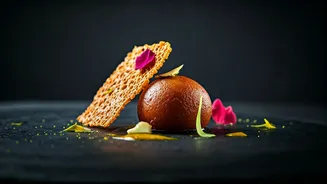
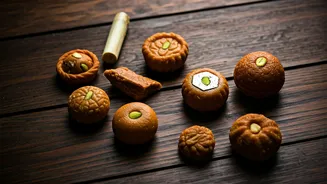
sweets are carriers of nostalgia, flavour, and cultural memory. Yet, a quiet revolution is underway. A new wave of chefs, patissiers, and entrepreneurs are looking at this rich heritage not as a museum piece, but as a canvas for innovation. They are deconstructing classic recipes and reassembling them with global ingredients, modern techniques, and a keen eye for aesthetics, creating what can only be described as 'modern Indian mithai'. This isn't about replacing the classics, but rather expanding the definition of what a mithai can be.
The New Sweet-Makers
Who is driving this change? It's a diverse group. There are third-generation mithaiwalas who have studied abroad and returned with fresh ideas, determined to modernise the family business. There are professionally trained pastry chefs applying French techniques to Indian flavour profiles. And there are boutique brands, like the much-talked-about Bombay Sweet Shop, that have built their entire identity around this concept. These innovators share a common goal: to make Indian sweets relevant to a younger, well-travelled, and health-conscious audience. They understand that the modern consumer wants something that is not only delicious but also visually appealing, beautifully packaged, and perhaps a little less indulgent than its traditional counterpart.
Flavours You Never Imagined
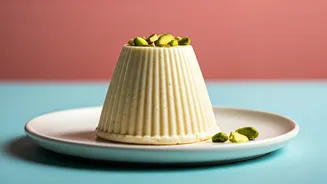
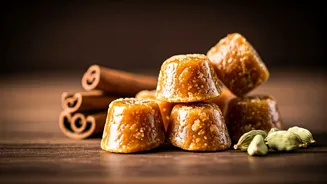
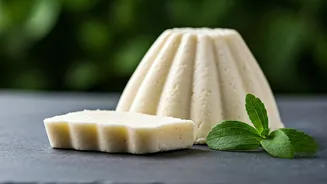
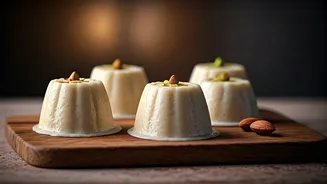
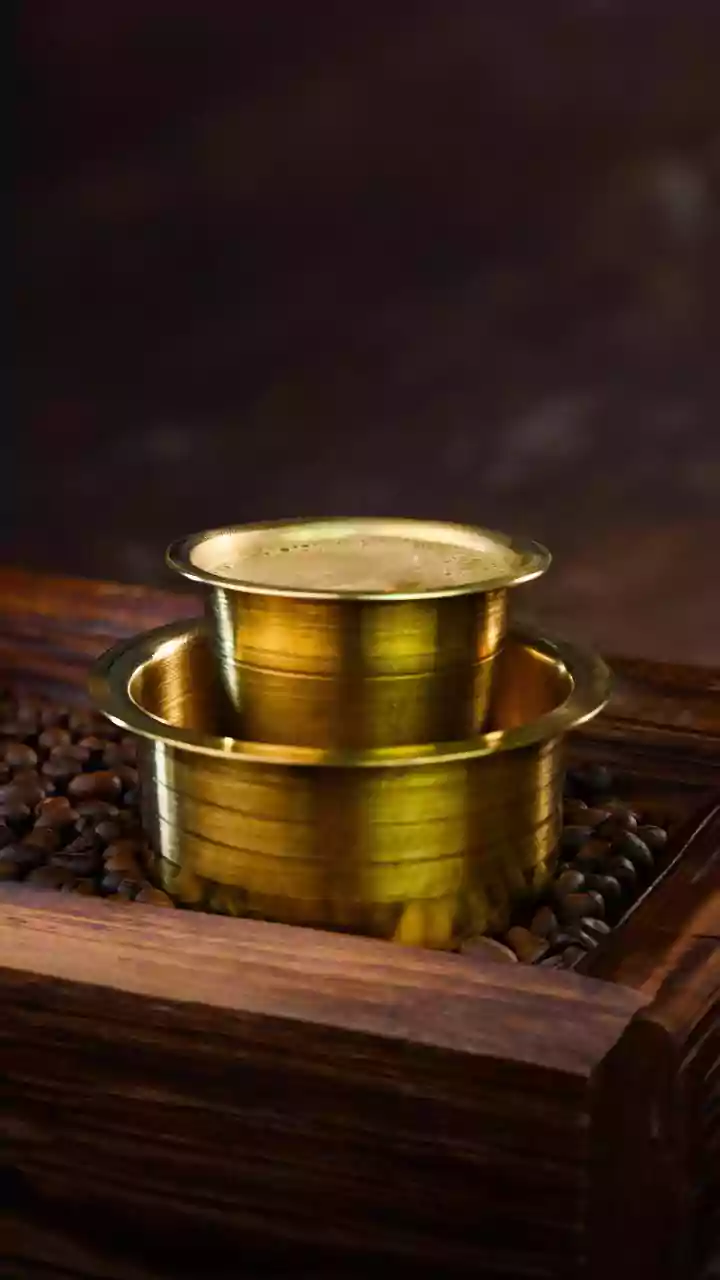
So, what does a new-age mithai taste like? Prepare to be surprised. Imagine a soft, crumbly besan ladoo, but with a heart of rich, gooey hazelnut filling. Picture a classic peda infused not just with cardamom, but with the smoky notes of dulce de leche. Think of barfi, but in delicate pastel shades flavoured with lavender, rose petals, or even avocado. We're seeing coffee-infused 'Kaapi Paak' from Karnataka, dark chocolate-coated gujiyas, and ladoos made with gluten-free amaranth flour and sweetened with dates or jaggery instead of refined sugar. These creations are bold and unexpected, yet they often maintain a link to the original, ensuring the soul of the mithai isn't lost in translation. It's the comfort of the familiar, presented with the thrill of the new.
More Than Just a Sugar Rush
This trend is about more than just novel flavours; it's a response to shifting cultural and lifestyle patterns. Firstly, there's the health angle. Many new-age mithai makers focus on using natural sweeteners, high-quality local ingredients, and offering gluten-free or vegan options, catering to a clientele that wants to indulge more mindfully. Secondly, there's the 'Instagrammable' factor. These sweets are often designed to be works of art—perfectly shaped, elegantly decorated, and packaged in chic boxes that make them ideal for gifting. In a world where we eat with our eyes first, aesthetics matter. Finally, this evolution reflects a new kind of Indian pride—one that is confident enough to play with its own traditions, reinvent them, and present them proudly on a global stage.