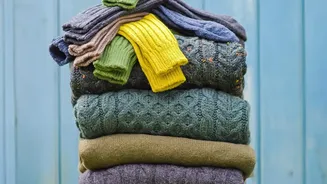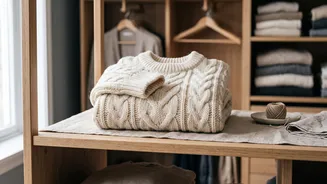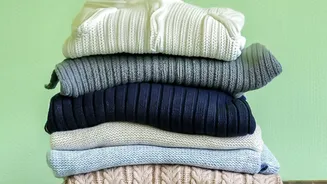





The fear is real: one wrong move and your favourite woollen sweater can become a shrunken, felted memory. But caring for wool isn't as daunting as it seems. With a few key principles, you can keep your woollens clean, soft, and perfectly shaped.
To Wash, or Not to Wash?
First,
the good news. Wool is a natural fibre with inherent antimicrobial and odour-resistant properties, meaning it doesn't need to be washed after every single wear. In fact, washing too frequently is a common mistake that can wear out the fibres unnecessarily. For a simple refresh, try airing your garment out. Hang it in a steamy bathroom or lay it flat on a bed for a few hours to dissipate any odours. If you notice dust or lint, a gentle lengthwise brush with a soft garment brush can revive its appearance. Only when a garment is visibly stained or no longer feels fresh does it need a full wash.
The Right Tools: Water and Detergent
The two biggest enemies of wool are heat and harsh chemicals. Standard laundry detergents contain enzymes and alkaline agents designed to break down stains, but they also strip wool of its natural oils (lanolin), leaving it brittle and prone to damage. Always opt for a pH-neutral detergent specifically formulated for wool or delicates. Some popular choices include Eucalan, Soak, and Woolite, which clean gently without harming the protein-based fibres. As for water temperature, cool is the golden rule. Never use hot water, and avoid drastic temperature changes between the wash and rinse cycles, as this shock can cause the fibres to seize up and felt.
Hand-Washing: The Safest Method
While many modern washing machines have reliable wool cycles, hand-washing remains the gentlest and safest option, especially for delicate or cherished items. Fill a basin with cool water (around 30°C) and add your wool-specific detergent. Turn the garment inside out, submerge it, and let it soak for about 10-15 minutes. Avoid the temptation to rub, scrub, or wring the fabric; this agitation is what causes felting. Instead, gently squeeze the soapy water through the fibres. Drain the basin and rinse with fresh, cool water until the soap is gone.
Machine_Washing:_Proceed_with_Caution
If your garment's care label permits machine washing, you can proceed, but carefully. Always turn the item inside out and place it in a mesh laundry bag to protect it from snagging and excessive friction. Select the dedicated 'wool' or 'delicate' cycle on your machine, ensuring the temperature is set to cold (30°C or lower) and the spin speed is low (no more than 600–800 RPM). A high–speed spin can stretch and distort the wet, heavy fibres. Using the correct cycle minimises agitation and temperature fluctuations, mimicking the gentle nature of a hand wash.
The Crucial Final Step:_Drying
How you dry your woollens is just as important as how you wash them. Never, ever hang a wet wool garment to dry or put it in a tumble dryer unless the care label explicitly allows it. The weight of the water will stretch a hanging knit out of shape, and the heat of a dryer will cause irreversible shrinking. Instead, gently press out the excess water without wringing or twisting it. The best method is to lay the garment flat on a clean, dry towel. Roll the towel and sweater up together like a burrito, pressing gently to absorb more moisture. Then, unroll it, reshape the garment to its original dimensions, and lay it flat on a fresh towel or a mesh drying rack away from direct sunlight or heat.