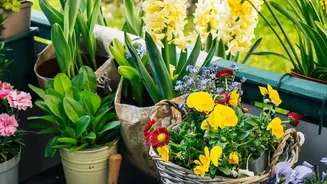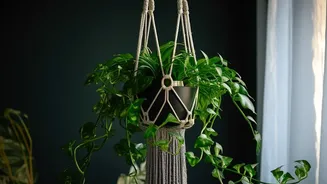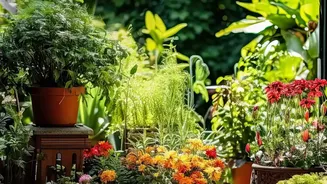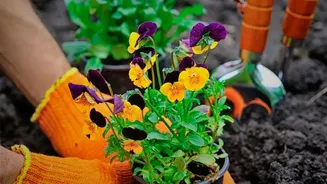



A balcony bursting with life is a joy, but the success of your urban oasis depends on one crucial first step: placement. Where you put your planter determines its access to the essentials, turning a simple pot into a thriving garden.
Follow the Sun
Sunlight is the most
critical ingredient for plant health. Before you place a single pot, spend a day observing your balcony. Note how many hours of direct sun each area gets. A spot that receives six or more hours of direct sun is considered 'full sun' and is ideal for flowering plants like petunias and geraniums, as well as edibles like tomatoes, chillies, and Mediterranean herbs such as rosemary and thyme. A space with three to six hours of light is 'partial sun', perfect for leafy greens like lettuce, spinach, and herbs like mint and parsley. Areas with less than three hours are 'shade', best suited for foliage plants like ferns and snake plants. Remember that afternoon sun is much harsher and hotter than gentle morning light, which can bake the soil and stress plants.
Consider Wind and Rain
Balconies, especially on higher floors, can be surprisingly windy. Wind dries out soil quickly, can damage delicate leaves, and may even topple tall, lightweight planters. To protect your plants, position them in more sheltered spots, such as against a wall or in a corner. Grouping pots together can also create a more stable, protected microclimate where plants shelter each other. Consider using heavier pots like ceramic or weighing down lighter plastic ones for better stability in windy zones. Also, note if your balcony is covered. An overhang may prevent rain from reaching your plants, meaning you'll need to water them manually even during the monsoon season.
Plan for Water and Drainage
Your planter's position should make watering convenient. Place pots where you can easily reach them with a watering can, without creating an obstacle course. More importantly, consider drainage. Every outdoor pot must have drainage holes to prevent waterlogging and root rot. When water runs out of the bottom, it needs somewhere to go. Position planters so that runoff doesn't stain your balcony floor, create slipping hazards, or drip down onto your neighbours below. Using pot feet or stands to slightly elevate containers allows air to circulate and water to drain away freely, preventing moisture from getting trapped underneath. Always use saucers to catch excess water, and be sure to empty them after watering.
Think About Weight and Safety
Safety is paramount in balcony gardening. A planter filled with wet soil is surprisingly heavy. A large, 20-inch pot can weigh up to 45 kilograms. Before loading up your balcony, it's wise to check your building's rules regarding planters and weight limits. As a general rule, place your heaviest pots against the structural wall of the building or near supporting columns, rather than concentrating weight along the outer railing. This distributes the load more safely. If you plan on using railing planters, ensure they are securely fastened and not just resting on top. Never place pots where they could be a falling hazard to the area below.
Arrange for Aesthetics and Enjoyment
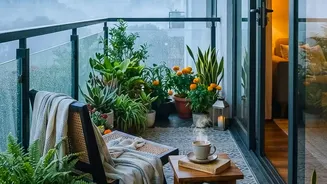
Finally, think about how the arrangement looks and feels. A well-placed planter can enhance your view from inside, bringing the outdoors in. Arrange plants by height, placing taller ones at the back and shorter or trailing varieties at the front. This creates a layered, lush look and ensures all plants get adequate light. Use vertical space with wall-mounted planters or tiered stands to add greenery without cluttering the floor. Most importantly, keep a clear path for you to move around, water your plants, and simply sit and enjoy your beautiful balcony garden.