







Why Stretching Wins for Flexibility
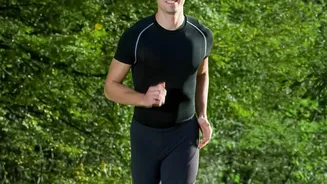
The primary benefit of jogging is cardiovascular endurance. It strengthens your heart and lungs, but it doesn't systematically lengthen your muscles. In fact, repetitive running can sometimes lead to tighter hamstrings and hip flexors. Stretching, on
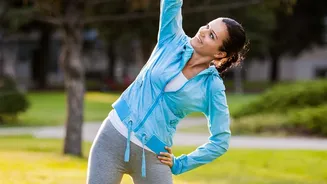
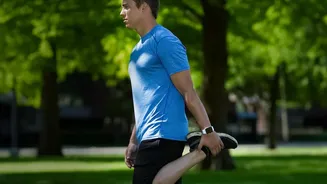
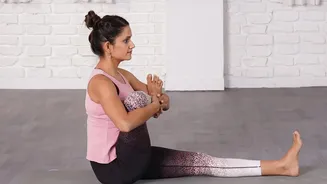
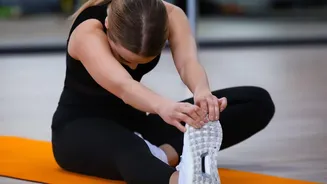
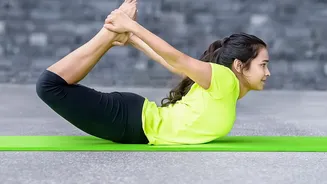
the other hand, directly targets flexibility. When you hold a stretch, you are gently elongating muscle fibres and the connective tissues surrounding them. This process, done consistently, increases your overall range of motion, making everyday movements feel easier and more fluid. While jogging is an excellent form of exercise, for the specific goal of becoming more flexible, stretching is simply the right tool for the job.
The Battle Against 'Tech Neck' and Slouching
Modern life often forces us into postures our bodies weren't designed to hold for long periods. Hours spent hunched over laptops and phones lead to common issues like 'tech neck' (forward head posture) and rounded shoulders. This happens because chest muscles tighten while upper back muscles weaken. Jogging, while great for cardio, doesn't directly counteract this specific pattern of imbalance and can even exacerbate it if you run with poor upper-body form. Targeted stretching, however, can provide a direct remedy. Stretches that open the chest and release tight neck muscles help to reverse the effects of daily slouching, encouraging a more natural and upright alignment.
How Much Stretching is Enough?
The good news is you don't need to spend an hour in a yoga class to see results. The key is consistency, not duration. Experts suggest that just 10 to 15 minutes of daily stretching can be highly effective for improving posture and flexibility. For general wellness, holding a static stretch for about 30 seconds is a widely recommended duration to allow the muscle to relax and lengthen. A routine that combines dynamic stretches (gentle movements) to warm up and static stretches (held positions) to increase range of motion is ideal. The goal is to feel a gentle pull, never sharp pain.
Your Essential 10-Minute Routine
To get started, try this simple but powerful sequence. First, a Cat-Cow stretch: on all fours, alternate between arching and rounding your back for a minute to warm up the spine. Next, a Chest Opener: stand in a doorway and place your forearms on the frame, then gently step forward until you feel a stretch across your chest. Hold for 30 seconds. Follow this with a Hip Flexor Lunge: kneel on one knee and place the other foot forward, then gently press your hips forward to stretch the front of your hip. Hold for 30 seconds on each side. Finally, an Upper Trap Stretch: gently tilt your head to one side, using your hand to apply light pressure, to release neck tension. Hold for 30 seconds per side.
Don't Hang Up Your Running Shoes
It's crucial to understand that this isn't an argument against jogging. Running is one of the best activities for heart health, building leg strength, managing weight, and boosting your mood. The message isn't to replace jogging with stretching, but to recognise they serve different purposes. An ideal fitness plan includes both. Use jogging for its incredible cardiovascular benefits and use stretching to specifically target and improve your posture and flexibility. Think of them as partners in your overall health journey. A short stretching session can even be the perfect cool - down after a run, helping your muscles recover while they are still warm and pliable.