

The Grain That Time Forgot
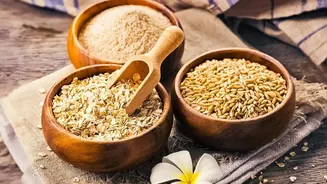
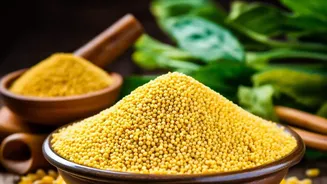
For thousands of years, millets like jowar (sorghum), bajra (pearl millet), and ragi (finger millet) were staples across the Indian subcontinent. They were the backbone of nutrition long before refined wheat and polished rice became ubiquitous. However,
the Green Revolution in the mid-20th century, which focused on high-yield varieties of wheat and rice to ensure food security, inadvertently pushed millets to the sidelines. Supported by government policies and subsidies, wheat and rice became economically attractive, and within a generation, millets were often labelled as 'coarse grains' or food for rural and arid regions.
A Nutritional Powerhouse Returns
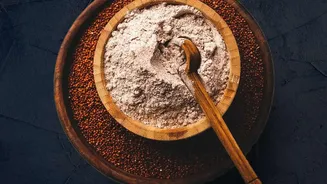
The resurgence of millets is driven by a growing awareness of their exceptional nutritional profile, especially when compared to refined wheat flour (maida). Millets are naturally gluten-free, making them ideal for those with sensitivities. They are packed with dietary fibre, protein, and essential minerals. For instance, ragi is a fantastic source of calcium, while bajra is rich in iron. Crucially, most millets have a lower glycaemic index than refined wheat, meaning they release sugar into the bloodstream more slowly. This quality makes them particularly beneficial for managing blood sugar levels and promoting sustained energy, a key concern in modern lifestyles.
From Government Push to Kitchen Pull
This revival isn't just a grassroots movement. India championed the United Nations' declaration of 2023 as the 'International Year of Millets', sparking global and national conversations. The Indian government has launched several initiatives, such as the National Food Security Mission and providing a minimum support price, to encourage farmers to cultivate these climate-resilient crops, which require less water than wheat and rice. This policy push has coincided with a consumer pull, as health-conscious families and home cooks actively seek out healthier alternatives to processed foods.
Beyond Bhakri: The Modern Millet Makeover
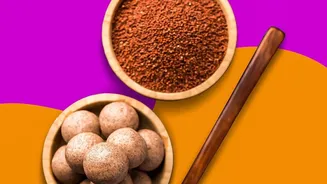
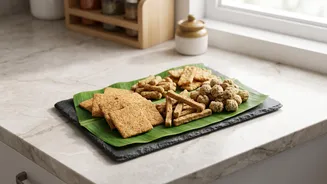
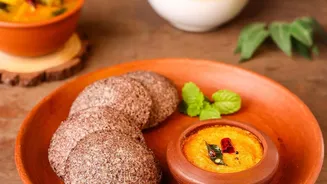
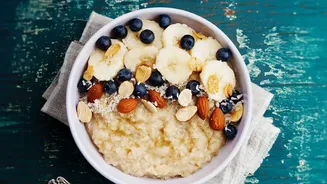
The real revolution is happening in the kitchen, where innovation is transforming how millets are consumed. While traditional preparations like ragi mudde, jowar bhakri, and bajra rotis remain beloved, home cooks are now using millet flours in everything. Bakeries and home kitchens are churning out millet-based cakes, cookies, and breads. Millet flour is being used to create everything from dosa and upma to pasta and porridge. This versatility is key to their growing acceptance, proving that nutritious food doesn't have to mean compromising on taste or variety. Creative recipes for millet stir-fries, laddus, and even burfis are now widely shared, making the switch accessible and exciting.
Making the Switch: Tips for Your Kitchen
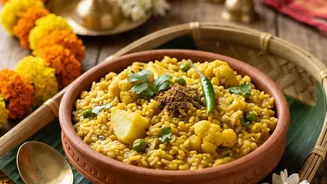
Adopting millets can seem daunting, but it's easier than it looks. For beginners, it's often recommended not to replace wheat entirely but to start by rotating grains. You could try replacing one meal a day with a millet-based dish. Soaking millets for a few hours before cooking can improve digestion and nutrient absorption. Jowar flour is often considered a great starting point as its flavour is mild and it adapts well to roti preparations. While millet rotis handle differently than wheat rotis and may require some practice, dishes like khichdi, upma, and porridge are incredibly simple to make and offer a gentle introduction to these ancient grains.