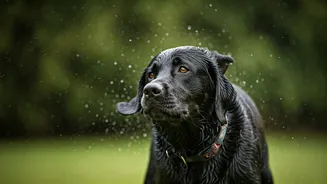






The Problem with Puddles and Humidity
While a splash in a puddle looks like fun, the persistent dampness of the monsoon is a major challenge for pets. Constant moisture on their skin and in their coat creates the perfect breeding ground for bacteria and fungi. This isn't just about your dog
or cat feeling a bit soggy; it’s a direct pathway to painful skin infections, rashes, and hot spots. The high humidity in the air means that even without a drenching walk, your pet’s coat takes longer to dry, trapping moisture against their skin. This environment is what turns a minor scratch or a bit of dirt into a full-blown veterinary issue.
Start with the Paws
Your pet’s paws are ground zero for monsoon troubles. They are in direct contact with muddy water, sharp pebbles, and all sorts of street-level bacteria. After every single walk, no matter how short, their paws must be cleaned and, crucially, dried. Use a soft cloth or pet-safe wipe to clean between the pads and toes, where moisture and debris love to hide. Follow this with a thorough drying using a towel. This simple, two-minute ritual is your best defence against pododermatitis (paw inflammation), fungal infections, and preventing your pet from licking harmful substances off their feet. It also gives you a daily opportunity to check for cuts, thorns, or ticks.
Master the Art of the Dry Coat
A perpetually damp coat is a welcome mat for skin disease. After any exposure to rain, you must ensure your pet is dried completely. For short-haired breeds, a vigorous towel-dry might suffice. But for pets with long or double coats, a towel is only the first step. You may need to use a blow dryer on a low-heat, low-speed setting to ensure the undercoat is bone-dry. Hold the dryer at a safe distance and keep it moving to prevent overheating the skin. Regular brushing is also essential, as it helps remove loose fur, detangles knots that can trap moisture, and aerates the coat, allowing the skin to breathe.
A Shield Against Unseen Pests
The rainy season marks a population boom for ticks, fleas, and other parasites. These aren't just an itchy nuisance; they are carriers of serious diseases like tick fever and can cause severe allergic reactions. Furthermore, the moisture and humidity can attract flies, which may lay eggs in matted fur or on any small wound, leading to horrifying maggot infestations. Your grooming routine is a critical pest-control strategy. Daily brushing allows you to physically inspect your pet’s skin and coat for any unwelcome visitors. Run your fingers through their fur, feeling for small bumps. Pay close attention to areas around the ears, neck, armpits, and paws. This hands-on check is often more effective than a visual glance alone.
Don’t Forget the Ears and Folds
Breeds with long, floppy ears or adorable skin folds (like Pugs and Bulldogs) need extra attention during the monsoon. These areas trap moisture and heat, creating a perfect incubator for yeast and bacterial infections. Ear infections are extremely painful and can become chronic if not managed. Check your pet’s ears daily for redness, discharge, or any unusual odour. Use a vet-approved ear cleaning solution and a cotton ball (never a Q-tip) to gently wipe the outer part of the ear canal. Similarly, gently clean and dry any skin folds to keep them free from irritating moisture.