





The Case for Packing Your Own Food
Relying on station vendors or highway dhabas can be a gamble. The hygiene is often questionable, the choices are limited, and the prices can be inflated. Packing your own food puts you in control. It's healthier, more hygienic, and ensures you have something
you actually want to eat, right when you need it. For long train journeys across India or road trips through remote areas, a well-packed food bag is not just a convenience—it's essential for a comfortable and stress-free experience. Plus, it brings a comforting taste of home, which can be a huge mood-lifter on a tiring travel day.
Foundation First: Dry Snacks That Last
Dry snacks are the backbone of any travel food plan because they are non-perishable, easy to eat, and require minimal space. Instead of just relying on packaged chips, consider a mix of homemade and store-bought options. Roasted makhana (fox nuts), seasoned with a little salt and turmeric, are light and crunchy. A container of roasted chana (chickpeas) offers a good source of protein that keeps you full longer. Other excellent choices include khakhra, chakli, matri, and dry fruit-nut mixes. These items don’t spoil, can withstand a bit of jostling in your bag, and satisfy cravings for something savoury and crunchy between meals.
Beyond Snacks: Packing Substantial Meals
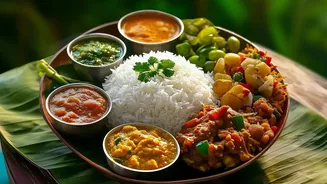
For longer gaps, you'll need something more substantial than just snacks. Homemade meals that travel well are a game-changer. Thepla or dry-stuffed parathas paired with a robust pickle are classic Indian travel foods for a reason—they stay fresh for hours and are easy to eat without creating a mess. Poha, a flattened rice dish, can be made with minimal oil and packed in a box for a light breakfast or snack. Steamed idlis are another great option as they are light and easy to digest. When packing, ensure these items have cooled completely to prevent them from becoming soggy. Avoid wet curries or anything with a high moisture content that could spoil or leak, especially in warmer weather.
Don't Forget Hydration
Food planning often overshadows the importance of hydration, which is critical, especially during travel in a hot climate. Always carry your own water bottle and refill it whenever you find a safe source. Relying on buying bottled water can become expensive and is not always available in remote areas. Besides water, you can carry small packets of electrolyte powder or glucose to add to your water for an energy boost. Buttermilk (chaas) in a flask can be a refreshing and cooling drink for the first few hours of your journey. Avoid sugary drinks, which can lead to dehydration.
Smart Packing for a Mess-Free Journey
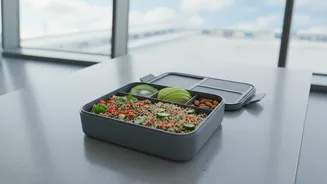
How you pack is as important as what you pack. Use airtight containers to prevent leaks and keep food fresh. Wrapping theplas or parathas in aluminium foil or a clean cloth helps them stay soft. Pack items in the order you plan to eat them, with snacks for the first leg of the journey on top. To avoid squashed food, use rigid containers instead of soft bags for items like sandwiches or idlis. It's also wise to carry a small kit with essentials like spoons, napkins, hand sanitiser, and a small bag for collecting trash. This level of organisation makes meal times on the move smooth and hassle-free.
The Role of Fresh Fruits
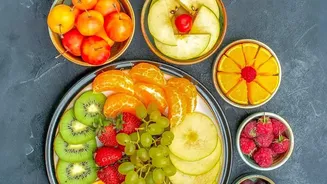
While most travel food is prepared, incorporating some fresh fruit is a great way to stay hydrated and get essential vitamins. Opt for sturdy fruits that don't bruise easily. Apples, oranges, and bananas (when still slightly green) are excellent choices. Wash and dry them thoroughly before packing. Fruits are best consumed during the initial part of your journey. Avoid pre-cutting fruits, as they can spoil quickly, especially in the heat. A whole cucumber, perhaps with a small sachet of salt and chaat masala, can also be a wonderfully refreshing and hydrating snack.