




Redefining the 'Gym'
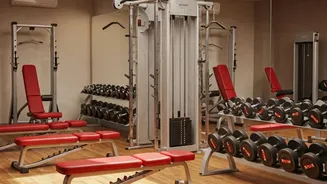
When you hear 'resistance training', it’s easy to picture a room full of complex machines and heavy barbells. But at its core, resistance training is simply the act of making your muscles work against an opposing force. This force can come from weights,
elastic bands, or even the weight of your own body. The goal is to cause microscopic damage to your muscle fibres, which then repair and rebuild stronger. The benefits are immense, extending far beyond muscle size. Regular strength training improves bone density, boosts metabolism, enhances mobility and balance, and lowers the risk of injury. It can also play a significant role in managing chronic conditions like heart disease and diabetes, and has been shown to improve mental health and cognitive function. The best part? You can unlock all these benefits without ever stepping foot in a traditional gym.
Breaking Down Common Barriers
For many people, the biggest hurdles to fitness aren't physical, but practical and psychological. Gym memberships can be costly, and finding time to travel to and from a fitness centre is a common challenge. Then there's the phenomenon of 'gymtimidation'—the feeling of anxiety or self-consciousness in a gym environment. Studies show that a significant number of adults avoid gyms because they feel judged about their fitness level or appearance. Some feel intimidated by complex equipment or the presence of extremely fit individuals. Working out at home removes these barriers. It offers privacy, flexibility to exercise on your own schedule, and eliminates recurring membership fees. It creates a judgement-free zone where the focus is solely on your own progress and comfort.
Your Body Is Your First and Best Gym
The most accessible piece of equipment you will ever own is your own body. Bodyweight exercises are foundational, functional movements that build real-world strength, mimicking actions like pushing, pulling, and squatting. They are perfect for beginners because they teach proper form and can be easily modified. Foundational exercises like squats, push-ups, lunges, planks, and glute bridges engage multiple muscle groups at once, providing an efficient, full-body workout. As you get stronger, you don't need to add weight to keep making progress. You can apply the principle of progressive overload by: slowing down the movement (tempo), increasing the range of motion, pausing at the hardest part of the exercise, or moving to a more challenging variation, like elevating your feet for a pushup. Combining movements, like a lunge with a torso twist, also increases the difficulty and keeps your body adapting.
Smart Tools for a Minimalist Home Gym
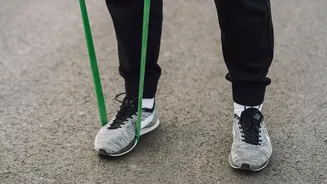
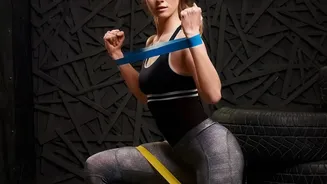
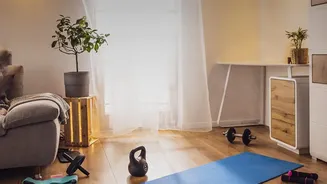
While not essential, a few key pieces of equipment can significantly expand your home workout options without breaking the bank or taking over your living room. Resistance bands are a versatile, inexpensive, and space saving tool for adding resistance to a wide variety of exercises. Adjustable dumbbells or kettlebells offer a compact way to progressively add weight to your movements as you get stronger, providing the benefits of a full rack of weights in a single package. For those looking to do more, a simple, foldable workout bench can support exercises like chest presses and rows. The key is to start small. You don't need a multi station machine to get a great workout. Begin with one or two items that align with your goals and add more over time if needed.