







What Exactly Are Overnight Oats?
At its core, the concept is brilliantly simple. Instead of cooking oats on a stove or in a microwave, you soak them. [23] Rolled oats are combined with a liquid like milk (dairy or plant-based), yogurt, or even water, and left to soften in the refrigerator
for at least a few hours, or preferably, overnight. [1, 11] The soaking process allows the oats to absorb the liquid, breaking them down into a creamy, pudding-like consistency that’s ready to eat when you wake up. [1] This no-cook method is the foundation of its appeal, transforming a pantry staple into a modern breakfast hero.
The Ultimate Grab-and-Go Convenience
One of the most compelling reasons for the rise of overnight oats is their incredible convenience. [14] In a world where mornings are often rushed, the idea of a breakfast that prepares itself while you sleep is revolutionary. [19] The entire preparation takes just a few minutes the night before. [7] You simply mix the ingredients in a jar or container, pop it in the fridge, and wake up to a ready-to-eat meal. [19] For anyone with a busy schedule, this eliminates the morning scramble for a healthy option and provides a portable meal that can be taken on the go. [1, 23]
A Nutritional Powerhouse
Beyond convenience, overnight oats are packed with nutritional benefits. Oats themselves are a fantastic source of complex carbohydrates, protein, and essential nutrients like manganese, phosphorus, and magnesium. [5, 9] They are particularly rich in a type of soluble fibre called beta-glucan, which is celebrated for its ability to help lower cholesterol, regulate blood sugar levels, and promote heart health. [9, 10] The fibre also keeps you feeling full and satisfied for longer, which can aid in weight management. [1, 13] Adding ingredients like chia seeds, nuts, and fruit further boosts the content of protein, healthy fats, and vitamins. [1]
Better Digestion and Nutrient Absorption
The soaking process does more than just soften the oats; it can also make them easier to digest. Soaking helps break down starches and reduces levels of phytic acid. [21] Phytic acid, found in grains and seeds, can bind to minerals like iron, zinc, and calcium, hindering their absorption. [15, 16] By soaking the oats, you reduce this anti-nutrient, allowing your body to absorb more of the valuable minerals. [15, 21] Furthermore, uncooked soaked oats contain higher levels of resistant starch compared to cooked oats. [17, 21] This type of starch acts as a prebiotic, feeding the beneficial bacteria in your gut and promoting better digestive health. [2, 21]
A Canvas for Culinary Creativity
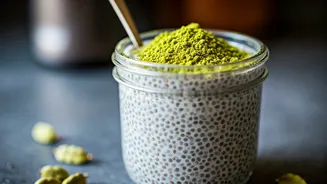
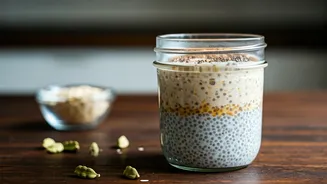
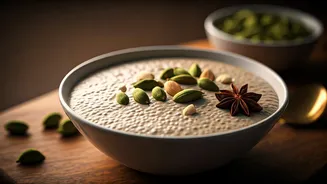
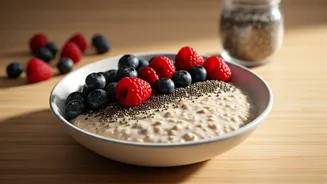
Overnight oats are endlessly customizable, which is a huge part of their charm. You can tailor them to any dietary need or flavour preference, making breakfast an exciting and personal affair. [1, 19] The base recipe is a blank canvas. For a touch of Indian flavour, consider mixing in mango puree and a pinch of cardamom, or creating a chai masala-spiced version. [24] Other popular additions include a spoonful of peanut butter for protein, fresh berries for antioxidants, or a drizzle of honey or jaggery for sweetness. [11, 24] From a decadent kulfi-style recipe with rose water and pistachios to a simple banana and walnut combination, the possibilities are limitless. [24, 27]
How to Get Started
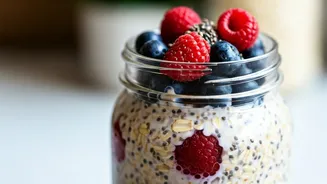
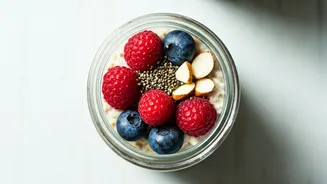
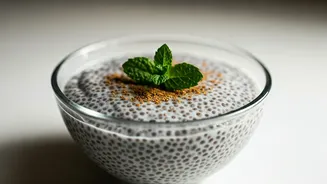
Making overnight oats is incredibly simple. A great starting ratio is one part rolled oats to one part milk, with a bit of yogurt or chia seeds to thicken. A popular base recipe is: ½ cup rolled oats, ½ cup milk of your choice, ¼ cup yogurt, and 1 tablespoon of chia seeds. [24] Mix all the ingredients in a jar, seal it, and refrigerate for at least six hours or overnight. [11] In the morning, give it a stir and add your favourite toppings like fresh fruit, nuts, or a sprinkle of cinnamon. You can prepare several jars at once to have breakfast sorted for a few days. [6]