




Our Blind Dependence on the Ocean
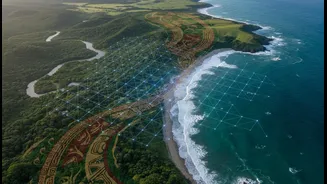
From the monsoon that governs our agriculture to the fisheries that feed our communities, India's connection to the ocean is profound and absolute. The country's massive coastline, sprawling over 7,500 kilometres, is more than just a border; it is the frontline
of our economy, climate, and food security. The ocean generates oxygen, absorbs a massive amount of carbon dioxide, and drives weather patterns that can make or break a nation's prosperity. Yet, for all our dependence on it, a vast majority of the ocean remains unexplored and unmonitored. This isn't just a gap in our scientific knowledge; it's a critical vulnerability. As scientific consensus points out, our ability to manage and protect this resource is directly tied to how well we can observe it.
What It Means to 'See' Underwater
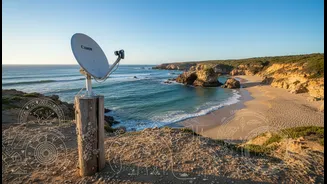
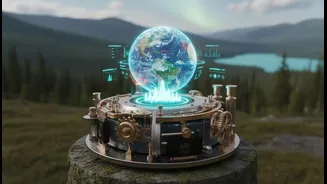
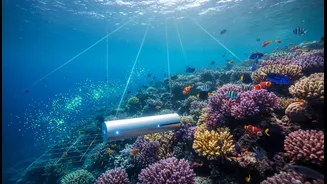
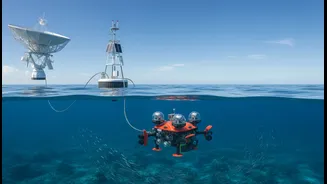
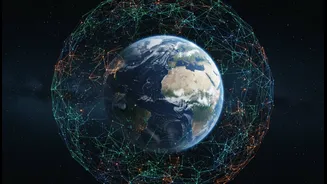
So, what does “better monitoring” actually entail? It’s about building a comprehensive, real-time picture of the ocean's health from the surface to the seafloor. This involves tracking key indicators known as Essential Ocean Variables, such as temperature, salinity, acidification, and oxygen levels. Currently, our understanding is often patchy, relying on data that can be infrequent or limited to specific areas. The goal is to move beyond this, creating a persistent presence in the ocean. This is where the Global Ocean Observing System (GOOS), a coordinated network of robotic floats, buoys, and research vessels, comes into play. By deploying advanced tools like autonomous underwater vehicles, deep-sea gliders, and satellite remote sensing, scientists can gather continuous data, even from the most remote and harsh marine environments.
The High Cost of Flying Blind
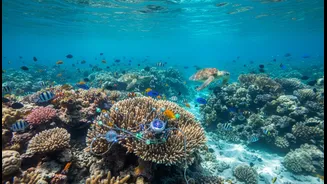
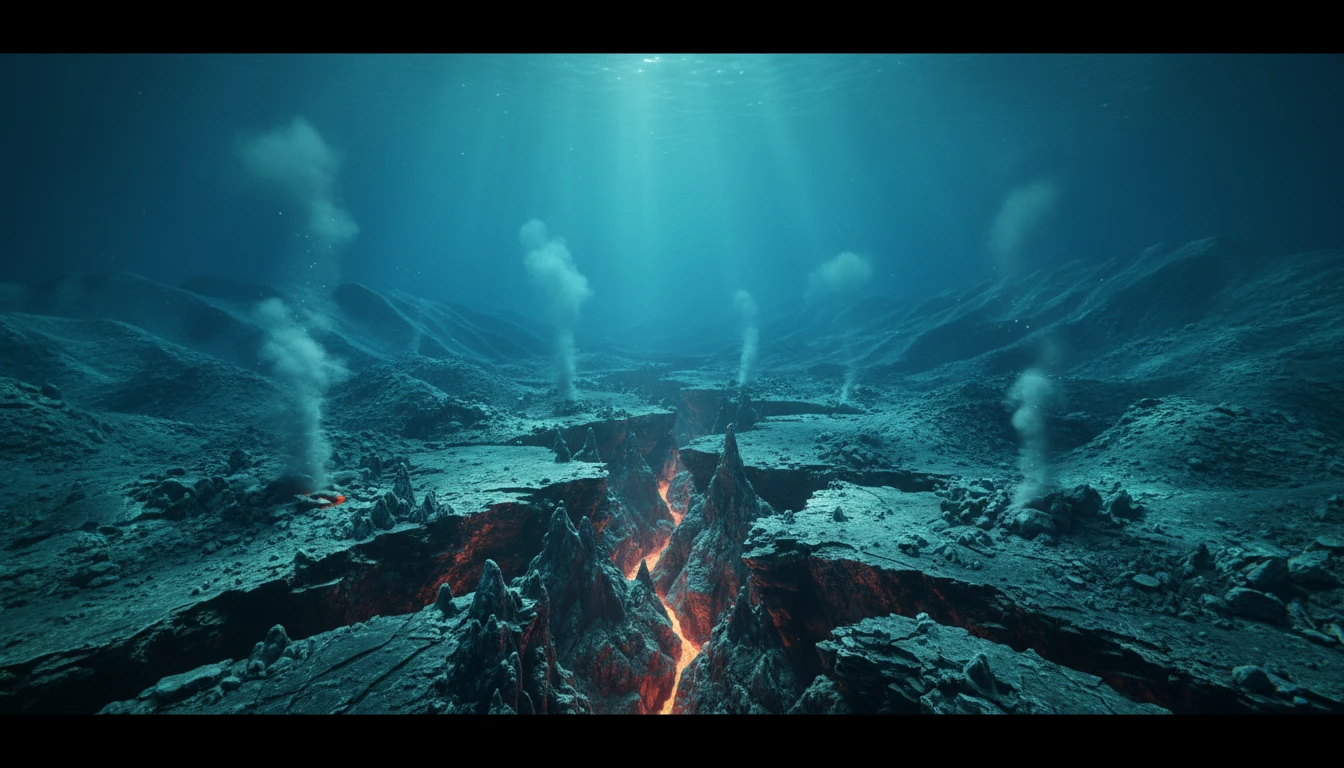
The consequences of inadequate monitoring are no longer theoretical. Without a clear view of subsurface conditions, we are caught by surprise. Sudden marine heatwaves can appear, bleaching coral reefs and devastating fisheries that coastal communities rely on. Changes in deep ocean turbulence, once thought to occur over millennia, are now understood to affect our climate within a human lifetime, influencing everything from sea-level rise to storm intensity. A recent study highlighted the fragility of our current systems, showing that losing even 20% of our ocean observations could severely degrade the accuracy of climate models and forecasts. For India, this translates into an inability to accurately predict the intensity of cyclones, the reliability of the monsoon, or the health of fish stocks, creating massive risks for both lives and livelihoods.
India's Deep Dive into Ocean Science
Recognising these stakes, India is taking significant steps. The nation's Deep Ocean Mission is a major initiative aimed at exploring the deep sea and developing the technologies needed for sustainable resource use. A key component of this mission is the establishment of a Deep Ocean Observing System (DOOS) to monitor physical and biogeochemical parameters in the northern Indian Ocean. This will provide crucial data for climate change studies, ecosystem health assessments, and the management of India’s vast Blue Economy. Furthermore, by signing the High Seas Treaty, India has signalled its commitment to global efforts for marine conservation beyond its national jurisdiction, promoting cooperation and technology sharing to strengthen these vital efforts.
A Global Mission for a Shared Future
Ultimately, the message from the scientific community is one of urgent, collective action. No single nation can monitor the vast global ocean alone. The challenge requires international collaboration to build and sustain a truly integrated observing system. This involves not just deploying more technology, but also ensuring that the data is open, accessible, and translated into actionable information for policymakers, industries, and local communities. Investing in ocean observation is not an expense; it is a fundamental investment in our future safety, economic stability, and the overall health of the planet. The science is clear: a healthy ocean is a well-observed ocean.