



Why Winter Wreaks Havoc on Hair
Winter air, both outdoors and indoors, holds significantly less moisture. This low humidity environment causes the moisture in your hair to be drawn out, leaving it dehydrated. In response, the hair's outer layer, known as the cuticle, lifts up as it searches
for moisture from the air. This raised cuticle creates a rough, uneven surface, which we see and feel as frizz, static, and dullness. The constant shift between cold outside air and warm, dry indoor heating only makes the problem worse, leading to brittle strands prone to breakage.
Understanding Your Hair's Cuticle
Think of your hair shaft like a rope covered in overlapping tiles. Those tiles are the cuticle. A healthy, hydrated hair strand has a smooth, flat cuticle layer that lies down neatly. This allows light to reflect evenly, giving hair its shine, and it effectively locks moisture inside the hair's core, or cortex. When hair is damaged or dry, these 'tiles' lift and separate. This not only causes frizz but also creates gaps where essential moisture can escape, starting a vicious cycle of dryness.
The Sealing Power of Oils
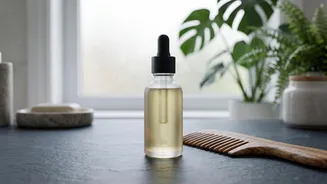
This is where hair oils come in. Not all oils work the same way, but 'sealing' oils are particularly effective for winter frizz. These oils have larger molecules that don't deeply penetrate the hair shaft. Instead, they coat the surface of the hair, forming a thin, protective barrier. This oily film smooths down the raised cuticles, creating a uniform surface that prevents frizz. More importantly, it seals the gaps between cuticle cells, locking in the moisture that's already inside your hair and preventing it from evaporating into the dry winter air.
Sealing vs. Penetrating: Choosing the Right Oil
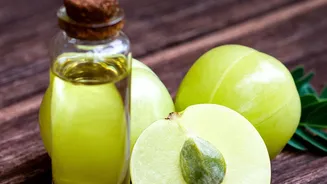
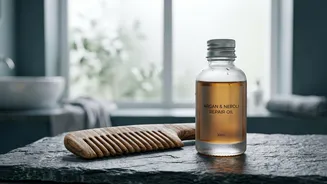
It's crucial to know the difference between sealing oils and penetrating oils. Penetrating oils, like coconut and argan oil, have smaller molecules that can get inside the hair shaft to nourish it from within. They are great for moisturizing. Sealing oils, such as jojoba oil, castor oil, and grapeseed oil, have larger molecules and are best used to lock that moisture in. For winter care, a two-step approach is often best: first, hydrate your hair with water or a water-based leave-in conditioner, then apply a sealing oil to trap that moisture. Many routines benefit from using both types; for instance, using a penetrating oil like coconut as a pre-shampoo treatment and a sealing oil as a finishing touch.
How to Apply Oil for Maximum Frizz Control
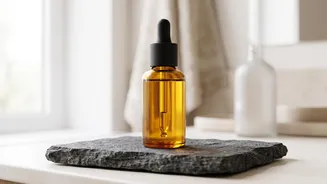
Application is key to getting the benefits without a greasy look. The best time to apply a sealing oil is on damp, freshly washed hair. After washing and conditioning, gently towel-dry your hair. While it's still damp, dispense a few drops of your chosen oil into your palms and rub them together to warm it up. Then, gently work the oil through the mid_lengths and ends of your hair, which are typically the driest and most prone to frizz. Avoid applying too much oil directly to the roots unless you have a very dry scalp, as this can weigh hair down. You can also use a tiny amount on dry hair to tame flyaways and add instant shine.