






From Burnout Culture to Rest-Based Travel
For years, the vacation ideal for many young urban professionals was about maximizing experience: squeezing in adventure sports, exploring bustling cityscapes, and documenting it all online. The result was often returning home more exhausted than when
they left. Now, a counter-movement is gaining traction, born from the realities of an 'always-on' work culture and digital fatigue. Sleep tourism is emerging as an antidote. The goal is no longer to see and do everything, but to actively recover. It’s a deliberate choice to treat rest not as a lazy byproduct of a holiday, but as the central purpose of the trip itself.
What Is Sleep Tourism?
Sleep tourism is a specialized segment of the massive wellness travel industry where the primary objective is to improve sleep quality. This goes far beyond a comfortable hotel bed or high-thread-count sheets. It involves destinations and accommodations specifically designed to foster deep, restorative slumber. These can range from luxury hotels offering 'pillow menus' and blackout curtains to dedicated multi-day retreats with sleep coaches, guided meditations, and high-tech sleep tracking. The core idea is to remove the stressors and distractions of daily life—be it work notifications or light pollution—and create a sanctuary dedicated purely to recovery.
The Allure of the Hill Station
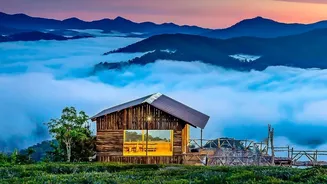
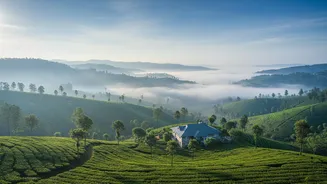
The choice of “tranquil hill stations” or their U.S. equivalents—think secluded mountain towns in the Catskills, Berkshires, or Rockies—is no accident. These environments offer a powerful combination of factors that promote rest. The move toward nature as the setting for healing is a major wellness trend. The clean air, quiet surroundings, and distance from urban clamor help regulate the nervous system. Some research suggests that once acclimatized, sleeping at a higher altitude can even promote physiological adaptations that improve oxygen efficiency. More importantly, these natural landscapes encourage a digital detox, replacing screen time with stargazing and doomscrolling with quiet contemplation, which are essential for quieting a racing mind.
An Investment in Productivity's Prerequisite
For a demographic defined by ambition and performance, spending money to do nothing might seem counterintuitive. However, many young professionals now view quality sleep as a critical component of a successful career. Insufficient sleep is linked to decreased focus, creativity, and problem-solving abilities. In this context, a sleep-focused trip is not an indulgence but a strategic investment in their most valuable asset: their mental and physical energy. This form of travel is seen as a way to repair the damage caused by a high-stress lifestyle, allowing them to return to their demanding jobs not just relaxed, but genuinely restored and more effective.
A Trend Reflecting a Deeper Need
The rise of sleep tourism isn't just about lavish wellness retreats; it's a profound cultural indicator. It signifies a collective pushback against burnout and a societal re-evaluation of what true well-being means. After years of prioritizing hustle and productivity, there's a growing recognition that rest is a pillar of health, just as vital as diet and exercise. This trend suggests a permanent shift in how we view vacations—from opportunities for mere escape to essential periods of intentional rehabilitation. The ultimate luxury is no longer about extravagance, but the simple, profound, and increasingly rare experience of being truly well-rested.