



The Foundation: Bodyweight Basics
Bodyweight exercises are incredibly efficient, using your own mass as resistance to build functional strength, improve balance, and boost your metabolism. They engage multiple muscle groups at once, creating a connected system of movement that is beneficial
for everyday activities. The best routines are built around a few foundational movements that can be done anywhere. Exercises like squats, push-ups, and planks form a powerful base for a full-body workout that requires little more than the floor space you stand on. The key is focusing on proper form over the number of repetitions.
Lower Body Powerhouse: Squats and Lunges
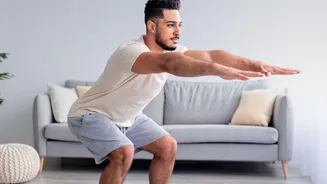
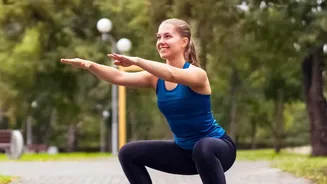
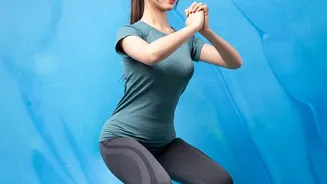
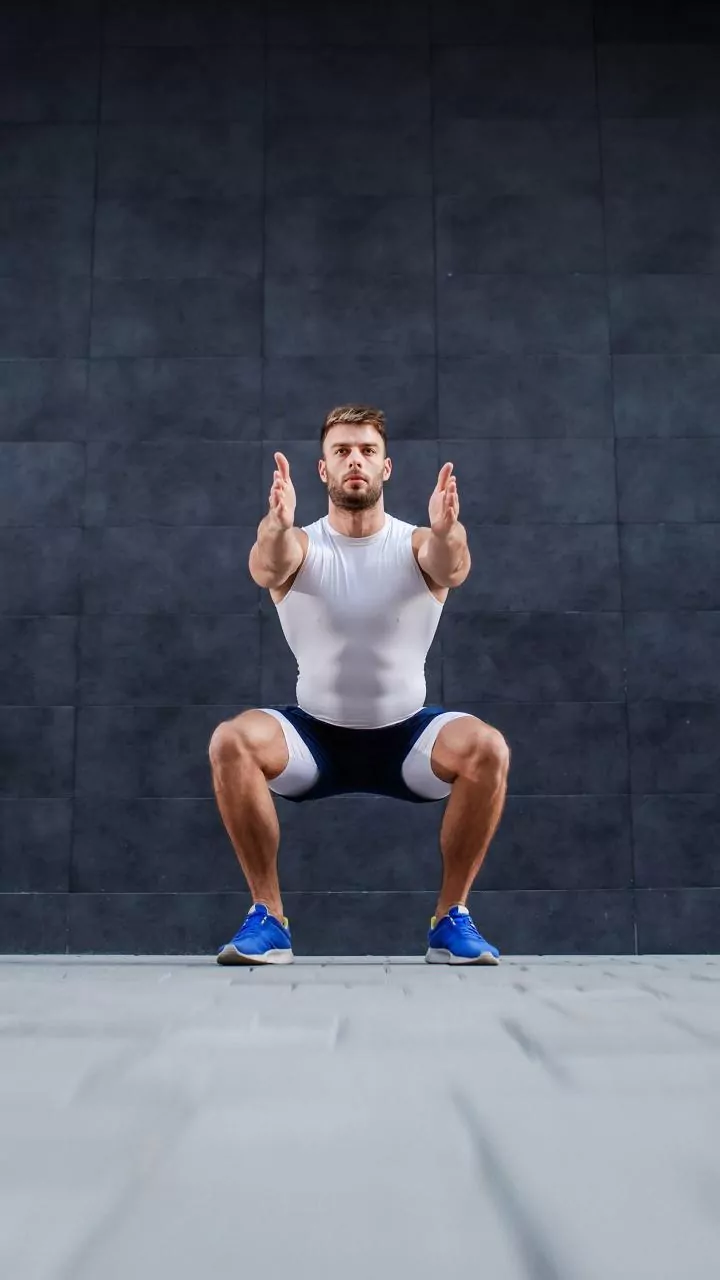
Bodyweight squats are a fundamental movement, targeting your quadriceps, hamstrings, and glutes. To perform one, stand with feet shoulder-width apart, keep your chest up, and lower your hips as if sitting in a chair until your thighs are parallel to the floor. Push through your heels to return to the start. Lunges complement squats by training each leg independently, which helps correct strength imbalances and improves coordination. For a stationary lunge, step one foot forward and lower both knees to 90-degree angles, ensuring your front knee doesn't go past your ankle.
Upper Body and Core Strength: Push-Ups and Planks
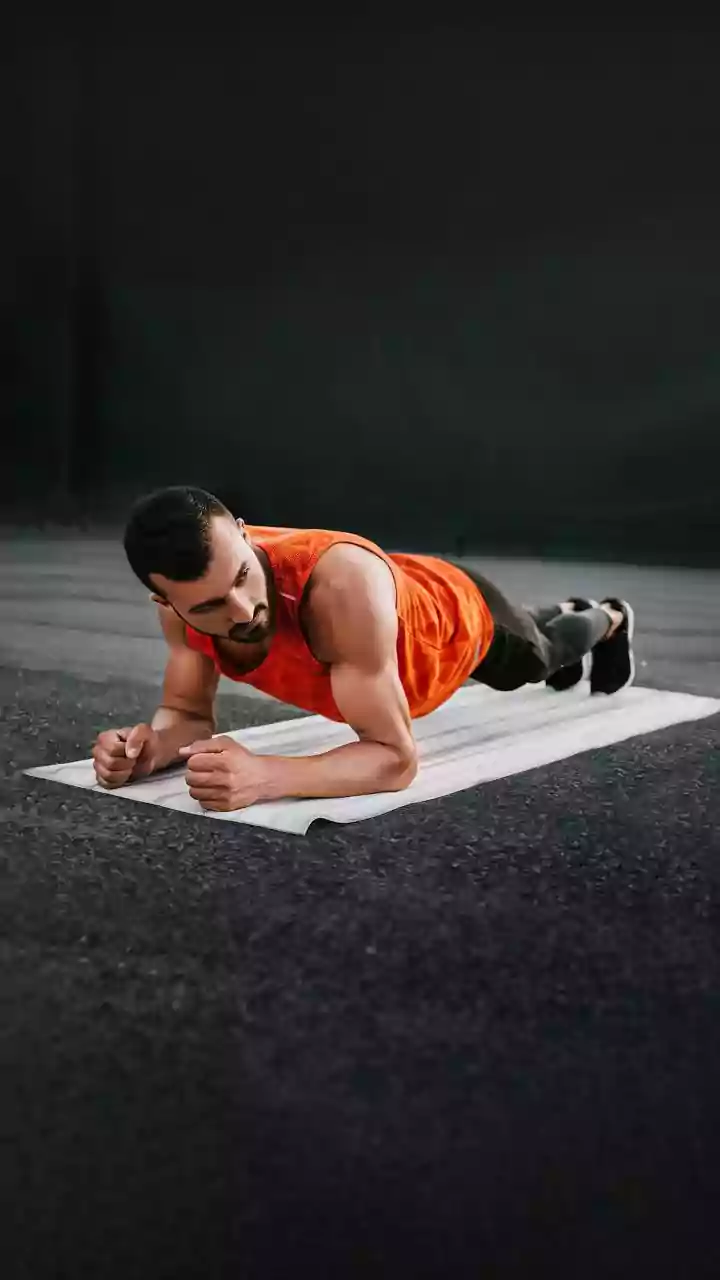
The push-up is a classic for a reason: it strengthens the chest, shoulders, triceps, and core all at once. If a standard push-up is too challenging, you can start with incline push-ups against a wall or sturdy table, or perform them on your knees. The plank is another essential exercise for developing core stability, which supports good posture and protects your lower back. To do a plank, hold a position similar to the top of a push-up, with your body forming a straight line from head to heels. Rest on your forearms for a common variation.
Cardio Without the Commotion: High Knees and Quiet Burpees
You don’t need to jump around and disturb your neighbours to get your heart rate up. High Knees, performed by running in place while bringing your knees towards your chest, are a fantastic low-space cardio option. For something more intense, try a 'quiet burpee'. This variation removes the noisy jump. From a standing position, squat down, place your hands on the floor, walk your feet back to a plank, walk them back in towards your hands, and stand up. This compound movement works your entire body and boosts cardiovascular endurance efficiently and quietly.
Putting It All Together: Your Weekly Routine
Consistency is more important than intensity when you're starting out. Aim to perform a full-body workout 2-3 times per week on non-consecutive days to allow for muscle recovery. A simple circuit could look like this: perform 10-15 repetitions of squats, followed by 10 push-ups (at your level), and a 30-second plank. Rest for 60 seconds and repeat the circuit 3-4 times. As you get stronger, you can increase the repetitions, add more rounds, or decrease your rest time to continue challenging yourself. Remember to start with a dynamic warm-up like arm circles and leg swings, and finish with static stretches.