






The Two Faces of Jackfruit
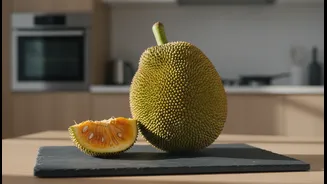
The key to unlocking jackfruit’s potential is understanding its dual nature. When it's young and green (unripe), the flesh is firm, fibrous, and has a neutral taste, making it an incredible canvas for spices. This is the version famous for its uncanny
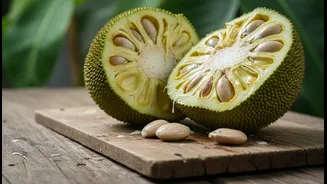
resemblance to shredded meat when cooked, perfect for savory dishes. As the fruit ripens, its flesh turns a vibrant yellow, becoming soft, sweet, and fragrant with a flavour often described as a mix of mango, banana, and pineapple. Ripe jackfruit is typically eaten fresh or used in desserts like ice creams, smoothies, and traditional Indian sweets such as kesari bath.
More Than a Meat Substitute
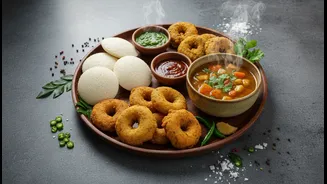
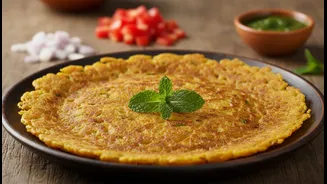
While plant-based pulled pork sandwiches have given jackfruit global fame, its culinary roots in India are far deeper and more diverse. In Kerala, it’s a star in dishes like 'chakka puzhukku' (a savory mash) and 'thoran' (a stir-fry with coconut). Across the country, unripe jackfruit, or 'kathal', is used to make aromatic curries, biryanis, and sabzis that absorb masala beautifully. Its fibrous texture provides a satisfying heartiness to vegetarian meals that goes far beyond simple imitation. The seeds are edible too; once boiled or roasted, they have a nutty flavour and a texture similar to potatoes or chestnuts.
A Nutritional Powerhouse
Beyond its versatility, jackfruit is packed with health benefits. It is a great source of dietary fibre, which aids digestion and helps regulate blood sugar levels. It’s also rich in essential vitamins and minerals, including high levels of Vitamin C for immune support, and potassium, which is crucial for maintaining healthy blood pressure. The fruit contains antioxidants like carotenoids and flavonoids, which help protect cells from damage and may reduce the risk of chronic diseases. With a moderate calorie count and low fat content, it's a nutrient-dense addition to any diet.
Tackling the Giant: A Home Cook’s Guide
Confronting a whole, spiky jackfruit, which can weigh over 10 kilograms, can be intimidating. The fruit contains a very sticky natural latex sap, so preparation is key to a mess-free experience. Before you start, cover your work surface with newspaper or plastic wrap. It's essential to oil your hands and your knife generously with coconut or another cooking oil to prevent the sap from sticking to everything. Begin by cutting the fruit into large, manageable rounds. From there, you can cut away the tough, spiky skin and the central core. The edible yellow pods can then be separated from the surrounding white fibres. Don't discard the seeds; boil them for about 20-30 minutes and enjoy them as a snack.
Simple Ideas to Get You Started
Ready to start cooking? If you're using young, green jackfruit, a simple first step is to boil the pieces in salted water for about 45 minutes until tender. This prepares it for a variety of dishes. Try making a simple Kathal ki Sabji by pan-frying the boiled chunks with onions, tomatoes, ginger-garlic paste, and your favourite spices like turmeric and garam masala. You can also shred the boiled fruit and stir-fry it for about 5 minutes with soy sauce and vegetables for a quick and flavourful meal. For ripe jackfruit, the easiest way to enjoy it is to eat the sweet pods raw, or blend them into a refreshing smoothie with a splash of coconut water.