



The Cruciferous Powerhouses
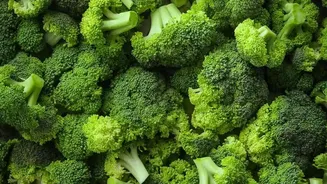
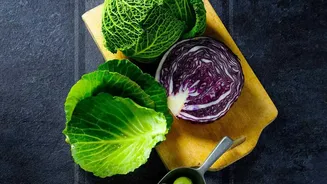
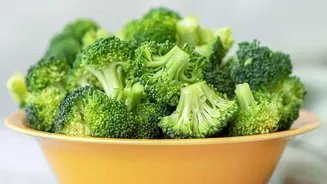
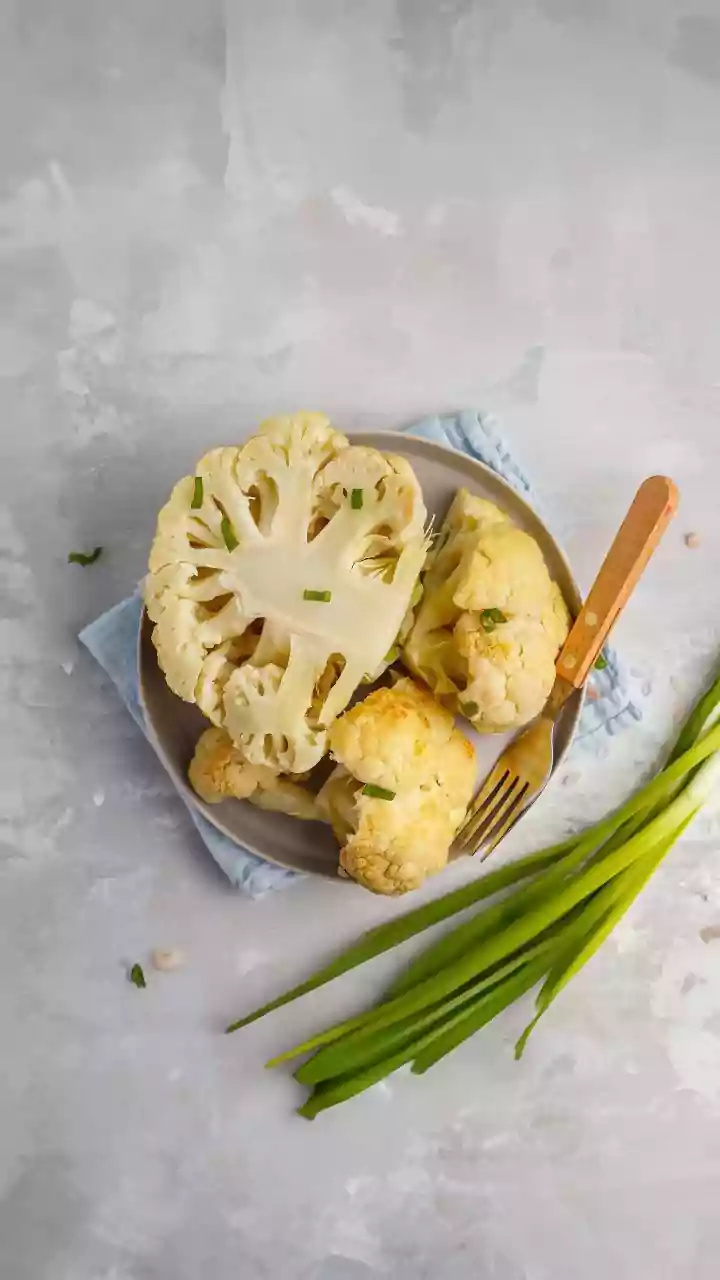
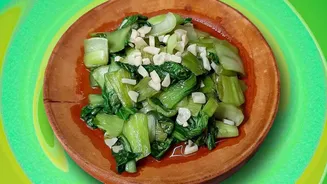
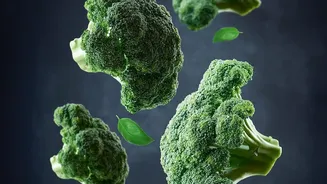
First, let's get acquainted with the family. Cruciferous vegetables, also known as Brassicas, include a wide range of common greens. Think of broccoli, cauliflower, kale, Brussels sprouts, cabbage, bok choy, and collard greens. They are nutritional superstars,
celebrated for being rich in vitamins, fibre, and unique plant compounds. What truly sets them apart is their high concentration of glucosinolates. These are the sulphur-containing compounds responsible for their sometimes-bitter taste and, more importantly, their potent health-promoting properties. When we chop or chew these vegetables, an enzyme called myrosinase gets to work, converting glucosinolates into bioactive compounds like sulforaphane, which has been the subject of extensive health research.
The Cooking Conundrum
The challenge with these powerful compounds is their sensitivity. Both glucosinolates and the essential myrosinase enzyme can be affected by heat and water. This is where your cooking method becomes critical. While any way you eat your vegetables is better than not eating them at all, certain popular cooking techniques can unfortunately diminish their unique benefits. Boiling, for example, is particularly harsh. Because glucosinolates and other nutrients like Vitamin C are water-soluble, they can leach out of the vegetables and into the cooking water. One study found that boiling broccoli can lead to a significant loss of these crucial compounds. If you discard the water, you're pouring a substantial amount of the vegetable's goodness down the drain.
Why Steaming Is Superior
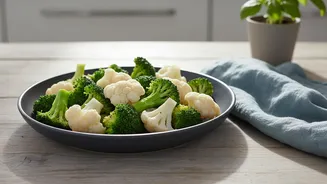
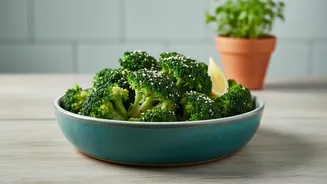
This brings us to steaming, the hero of our story. Gentle steaming is widely regarded by nutrition scientists as one of the best methods for cooking cruciferous vegetables. Unlike boiling, steaming cooks the food with hot vapour without submerging it in water. This simple difference has a massive impact. It dramatically reduces the leaching of water-soluble nutrients, including Vitamin C and, crucially, those valuable glucosinolates. Studies have shown that steaming retains a much higher percentage of these compounds compared to boiling, microwaving, or even stir-frying in some cases. A short, gentle steam—typically between three to five minutes—is enough to make the vegetables tender-crisp while preserving the delicate myrosinase enzyme activity needed to produce sulforaphane.
What About Other Methods?
While steaming takes the top spot for nutrient preservation, how do other methods stack up? Roasting and stir-frying use high, dry heat. While they can create delicious caramelization, very high temperatures can degrade some of the sensitive compounds. Stir-frying, if done quickly, can be a decent option, though some studies show it can still lead to greater losses than steaming. Microwaving can yield mixed results. Cooking with a lot of water in the microwave can mimic boiling and cause nutrient loss. However, microwaving for a short time with minimal water can be relatively effective at preserving nutrients, sometimes on par with steaming. The consensus, however, consistently points back to steaming as the most reliable and effective method for retaining the unique antioxidant profile of cruciferous vegetables.
Your Guide to Perfect Steaming
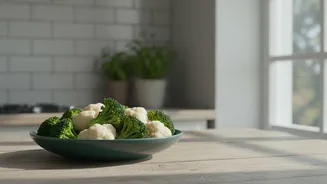
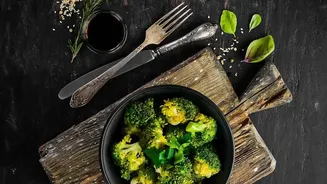
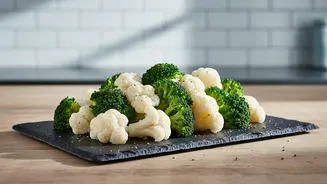
Ready to get the most out of your veggies? Here’s how to steam them perfectly. You don’t even need a dedicated steamer appliance. All you need is a pot with a tight-fitting lid and a steamer basket. First, chop your vegetables. For an extra antioxidant boost, let the chopped veggies sit for about 40 minutes before cooking. This gives the myrosinase enzyme time to start converting glucosinolates into sulforaphane. When you're ready to cook, add about an inch of water to your pot and bring it to a boil. Place your steamer basket inside, making sure the water level is below the basket. Add your vegetables, cover the pot, and steam for 3 to 7 minutes, depending on the vegetable and how tender you like it. Broccoli and cauliflower florets usually take about 5-7 minutes. The goal is a vibrant, tender-crisp texture, not a soft, mushy one.