







The New Prime Time
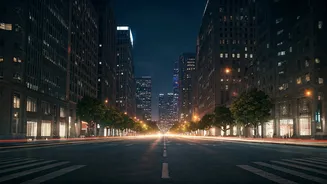
For years, the food delivery business revolved around predictable lunch and dinner peaks. But in 2026, the industry's most compelling growth story is being written in the dark. The hours between 11 p.m. and 3 a.m. have transformed from a logistical challenge
into a strategic goldmine. Recent industry data shows that late-night food delivery in India has surged dramatically, with some reports indicating demand has doubled over the past year. This isn't just a fleeting trend; it's a fundamental shift. Food delivery and quick commerce platforms have seen a 12-15% increase in late-night and early morning deliveries, a momentum that was building even before being accelerated by events like the FIFA World Cup, which has fans tuning in at odd hours.
Meet the Midnight Munchers
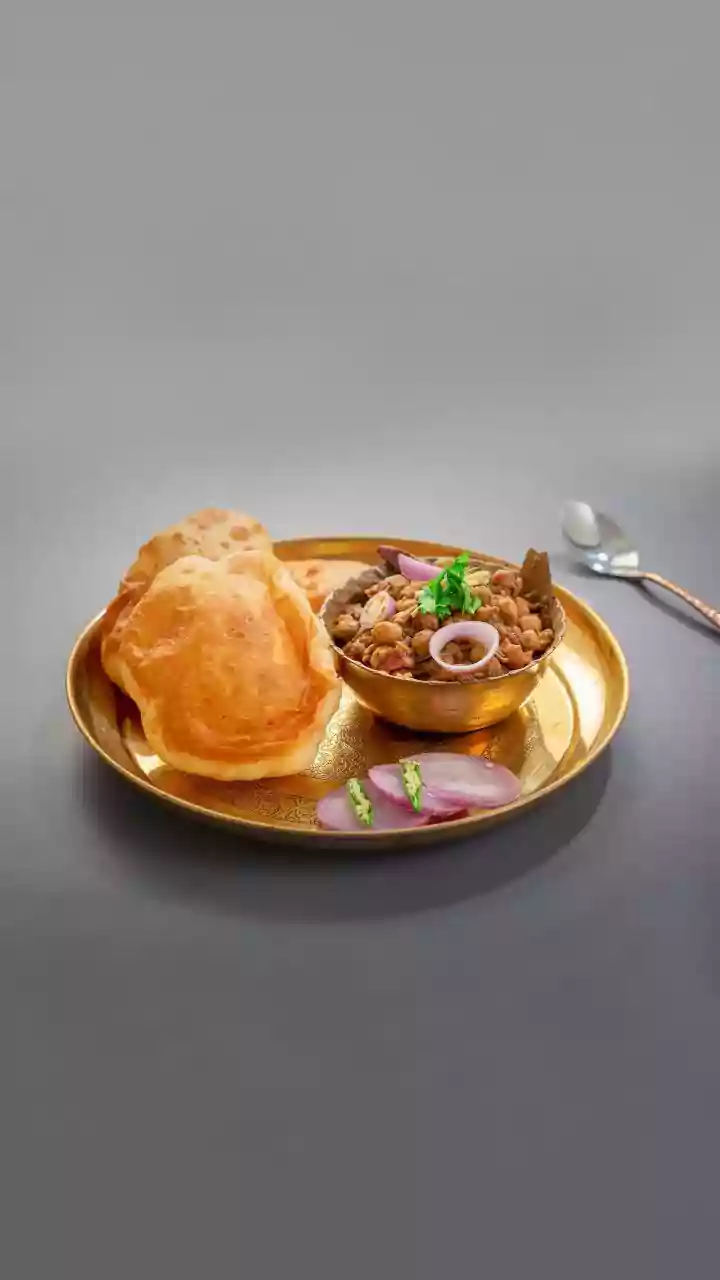
So, who is fueling this after-hours boom? The primary drivers are young, urban consumers whose schedules defy traditional 9-to-5 norms. This demographic includes students studying late, young professionals burning the midnight oil, night-shift workers in sectors like BPO, and people unwinding with streaming services. Their go-to choices for these late-night feasts are often comfort foods. According to data from Swiggy, pizzas and burgers are the most popular items ordered in the 11 p.m. to 3 a.m. window. Beyond meals, there is also a significant spike in demand for snacks, ice creams, and chocolates, often facilitated by the rise of 24/7 quick commerce platforms like Blinkit, BigBasket, and Zepto.
The After-Hours Economy
This trend is more than just a reflection of changing sleep schedules; it's a sign of a maturing 'convenience economy'. Food delivery platforms have identified late-night ordering as a key area to improve asset utilization and increase order frequency. For restaurants and cloud kitchens, extending operations into the night offers a chance to boost revenues significantly with only marginal increases in cost. As a result, major chains are adapting. Domino's is now taking orders until 3 a.m. in many locations, while about 20% of McDonald's outlets in key northern Indian cities are also open until the early morning. This synergy between platforms eager for growth and restaurants seeking higher profitability is creating a robust after-hours ecosystem.
Growth Beyond the Metros
While this trend was initially concentrated in major metropolitan areas, the late-night ordering habit is now spreading to smaller cities. Data shows that alongside high-volume metros like Bengaluru, Hyderabad, and Mumbai, emerging markets such as Surat, Thiruvananthapuram, and Patna are also posting significant late-night order volumes. This expansion is a testament to the deep penetration of smartphones, digital payments, and the operational reach of delivery networks. Platforms are now able to service a much wider geography, turning a once-niche urban behaviour into a nationwide phenomenon and signaling a major expansion of India's overall food services market.
Challenges in the Dark
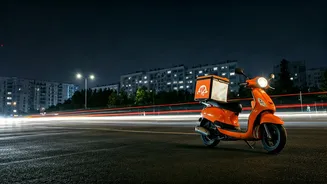
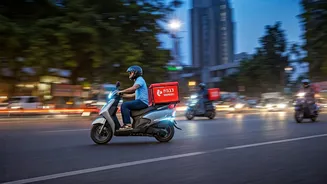
Despite the clear opportunity, operating in the late-night window comes with unique challenges. The biggest hurdles are logistical and regulatory. Ensuring the safety and availability of a smaller fleet of delivery partners during odd hours is a primary concern. This can sometimes lead to longer delivery times compared to daytime orders. Furthermore, restaurants and delivery services must navigate local regulations that may restrict operating hours. While the share of all-night deliveries is still moderate compared to the daytime deluge, successfully managing these operational complexities is the key to unlocking the full potential of the after-hours market.