





The Tradition is Already Green
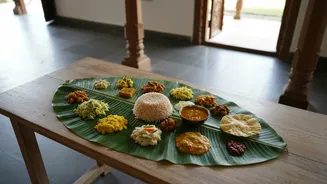
Before we even look at modern tips, it's worth noting that the Onam Sadhya is traditionally a masterclass in sustainability. The entire meal is served on a banana leaf, a plate that is fully biodegradable and composts naturally, often becoming food for cattle.
The dishes themselves heavily feature seasonal, local vegetables, and every part of ingredients like coconuts—from the flesh to the shell—was historically used, leaving minimal waste. The essence of Onam is celebrating the harvest and living in harmony with nature. A sustainable Sadhya is not a new concept, but a return to the festival's roots. This guide helps reconnect with that spirit amidst modern challenges like plastic packaging and food waste.
Mindful Sourcing: The First Step
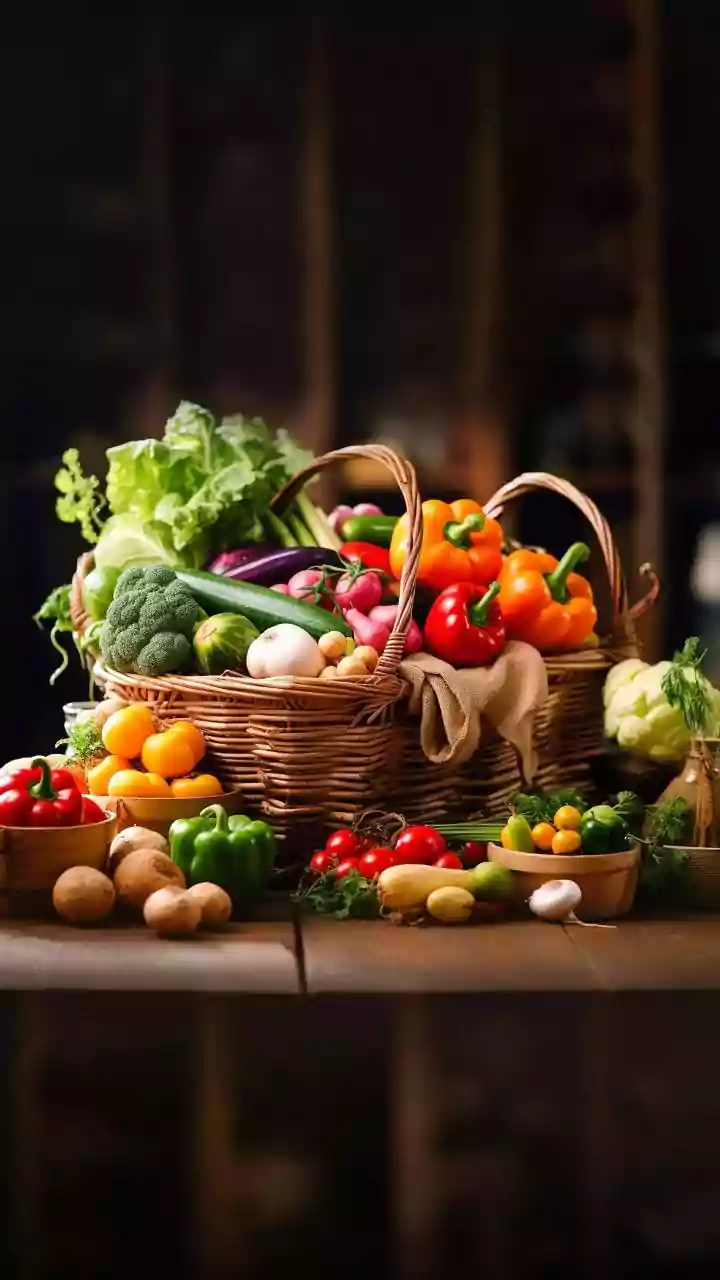
A truly sustainable feast begins long before the cooking starts. The core of the Sadhya is its celebration of the harvest, making local and seasonal sourcing paramount. Prioritise buying your vegetables—like yam, drumstick, raw banana, and ash gourd—from local farmers' markets. This not only reduces the carbon footprint associated with long-distance transportation but also supports your local community and ensures you get the freshest produce. When buying staples like rice, opt for indigenous varieties like Kerala Matta rice. Be conscious of packaging, choosing loose vegetables over pre-packaged ones to avoid unnecessary plastic.
The Eco-Friendly Kitchen
Once you have your ingredients, sustainable practices can continue in the kitchen. Plan your menu and portions to avoid over-cooking. A typical Sadhya can have over 20 dishes, but it's okay to prepare a smaller, more manageable number. Cook in batches; for instance, prepare a single tempering base of mustard seeds and curry leaves that can be used across multiple dishes like Thoran and Sambar. Embrace traditional cookware like earthenware and brass vessels, which distribute heat evenly and connect you to the heritage of the festival. Finally, be mindful of water and energy consumption. Keep lids on pots to speed up cooking and conserve gas or electricity.
Serving with a Conscience
The banana leaf is the ultimate eco-friendly plate. Stick to this tradition and avoid the temptation of plastic-lined paper plates or disposable cups. For serving water and other beverages, use steel or traditional brass tumblers. If you use smaller bowls for serving payasam or other liquid dishes on the leaf, opt for those made from natural materials like coconut shells or choose reusable steel bowls. The presentation of the Sadhya is an art form, and using natural, reusable elements enhances its beauty and authenticity without generating plastic waste.
Closing the Loop: Managing Leftovers
Even with careful planning, a feast as grand as the Sadhya can leave leftovers. The most sustainable approach is to prevent waste in the first place by encouraging guests to take only what they can finish. After the meal, food waste is a major concern, as it often ends up in landfills producing harmful greenhouse gases. Segregate your waste immediately. The banana leaves and any vegetable scraps can be composted, returning nutrients to the soil. Consider giving them to a local farmer for animal feed or compost. Edible leftovers can be repurposed for the next meal or, in the true spirit of Onam, shared with those in need. Some communities organise food collection drives, so it's worth checking if one is active in your area. Don't let the abundance of today become the waste of tomorrow.