





The Shifting Visa Landscape
The dream of a European summer or a North American holiday has become more complicated for Indian passport holders. In 2026, several Western countries have tightened their visa policies, leading to increased scrutiny, higher costs, and longer processing
times. The Schengen Area, for example, is implementing a new digital Entry/Exit System (EES) that replaces manual passport stamping with biometric tracking. While this aims for long-term efficiency, its rollout phase has been marked by stricter checks on travel history and compliance. Similarly, countries like the UK and Canada have increased visa fees and financial requirements for applicants. Canada, for instance, nearly doubled the minimum funds required for some applicants to ensure they can cover the cost of living. These changes mean more paperwork, more uncertainty, and a higher chance of rejection, causing many travellers to pause or pivot.
Why the Sudden Squeeze?
This global trend toward stricter visa regimes isn't random. Governments are responding to a mix of factors, including managing high post-pandemic travel volumes, local economic pressures, and national security concerns. For the Schengen Area, the move to a digitized system like the EES is about creating a more secure and unified border management system. For other nations like the UK and Canada, fee hikes and stricter financial proof are partly aimed at ensuring travellers and migrants can support themselves. The United States has also reinforced rules requiring applicants to attend visa interviews in their home country, eliminating the popular workaround of 'visa shopping' in countries with shorter wait times. The collective impact is a travel environment where applications require more meticulous planning and leave less room for error.
The 'Look East' Effect on Travel Plans
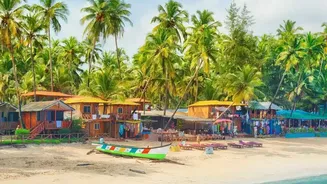
Faced with these Western hurdles, Indian travellers aren't cancelling their vacations; they're redirecting them. There's a significant pivot towards destinations that offer visa-free entry, visa-on-arrival, or streamlined e-visa processes. Southeast Asia is the biggest beneficiary of this shift. Thailand, which now offers a 60-day visa-free stay, continues to be a top choice. Malaysia has extended its 30-day visa-free scheme for Indians through 2026, and Vietnam's affordable luxury and seamless e-visa process have made it a breakout star. This trend extends to island nations like Mauritius, Seychelles, and the Maldives, which provide generous visa-free or visa-on-arrival options, making them attractive, hassle-free alternatives for a luxury getaway.
Emerging Alternatives and New Favourites
Beyond Southeast Asia, other countries are rolling out the welcome mat. Sri Lanka has streamlined its e-visa system, while Kazakhstan has introduced 14-day visa-free stays, opening up Central Asia to Indian explorers. Even some European-adjacent countries are gaining traction. Albania, for example, has become popular for offering the Adriatic coastline experience without the Schengen visa complexities. This shift is not just about avoiding visa queues; it's about certainty. Travellers want to book flights and hotels with the confidence that their plans won't be derailed by a last-minute visa rejection. The result is a more diverse travel map for Indians, driven by convenience and accessibility.
Your New Travel Checklist
Navigating the current travel climate requires a new strategy. If you're still set on a destination with a complex visa process, the key is to start early—at least four to six months in advance. Scrutinise your documentation, ensuring your financial records are consistent and your travel history is clear. For the Schengen area, having a clean record could even lead to longer multi-entry visas under the new 'cascade regime'. However, the most effective strategy might be to embrace the alternatives. Explore the dozens of countries where an Indian passport grants you visa-free or visa-on-arrival access. Not only does this save time and stress, but it also opens up a world of new cultures and experiences that you might have otherwise overlooked.