






The Allure of the Quick Fix
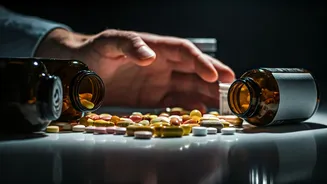
Why do so many of us diagnose ourselves? The reasons are practical and deeply ingrained in our culture. With long waits at clinics, the cost of consultations, and easily accessible pharmacies, popping a pill seems like a convenient, cost-effective solution
for what feels like a minor illness. Advice from family, reusing old prescriptions, or a quick search online often feels sufficient for common ailments like fevers or headaches. This practice is incredibly common; studies show that a significant majority of Indians practice self-medication, with some estimates suggesting more than half the population does so regularly. It's seen as a simple way to get quick relief and save time, but this convenience comes at a steep, often hidden, price.
The Dangers of Playing Doctor
The most immediate risk of self-medication is a wrong diagnosis. Treating abdominal pain as simple acidity when it’s appendicitis, or a chest pain as gas when it’s a cardiac event, can lead to dangerous delays in proper treatment. Taking the wrong medicine, an incorrect dose, or for the wrong duration can cause a host of problems. For example, overusing common painkillers can lead to stomach ulcers, and kidney or liver damage. Moreover, you might unknowingly take a drug that interacts dangerously with another medication you're already on. This practice doesn't just fail to cure the underlying issue; it often masks the symptoms, allowing a serious condition to worsen in the background until it becomes an emergency.
The Antibiotic Resistance Crisis
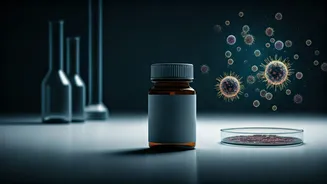
Perhaps the most alarming consequence of self-prescription is its role in fuelling antibiotic resistance, a major public health threat in India and globally. Antibiotics are powerful drugs designed to fight bacterial infections, but they are useless against viruses that cause the common cold or flu. Yet, they are among the most commonly self-prescribed drugs. When you take an antibiotic unnecessarily, or fail to complete the full course, you give bacteria a chance to survive and develop resistance. These new "superbugs" are harder to kill, making future infections more difficult and costly to treat. This misuse is so rampant that it's undermining the effectiveness of crucial medicines, leading to longer hospital stays and increased mortality from what were once easily treatable infections.
Common Culprits in the Medicine Cabinet
While antibiotics are a top concern, they aren't the only drugs being misused. Analgesics (painkillers), antipyretics (fever reducers), and cough and cold remedies are the most frequently self-medicated drugs in India. Even seemingly harmless medicines like antacids can cause problems, potentially masking serious ulcers or leading to dependency. The misuse of cough syrups can cause drowsiness and even addiction. The problem extends to antibiotic creams and drops, which many use for minor rashes or irritations without understanding they can do more harm than good. Every medicine, even those available over-the-counter, carries a risk and is processed by the body, making professional guidance essential.
The Safer Path: When to Seek Help
Responsible self-care for very minor ailments, like using an approved over-the-counter paracetamol for a mild fever, is generally acceptable. However, the line is crossed when prescription-only drugs are used without supervision. Pharmacists play a crucial role but should not replace a doctor's diagnosis. Indian law requires a doctor's prescription for many drugs, including all antibiotics, but enforcement can be lax. The safest approach is to consult a doctor if symptoms are severe, persist for more than a couple of days, or if you're dealing with a chronic condition. A professional diagnosis ensures you get the right treatment for the actual illness, protecting both your health and the efficacy of our shared medical resources.