



The Burnout from 'Perfect' Vacations
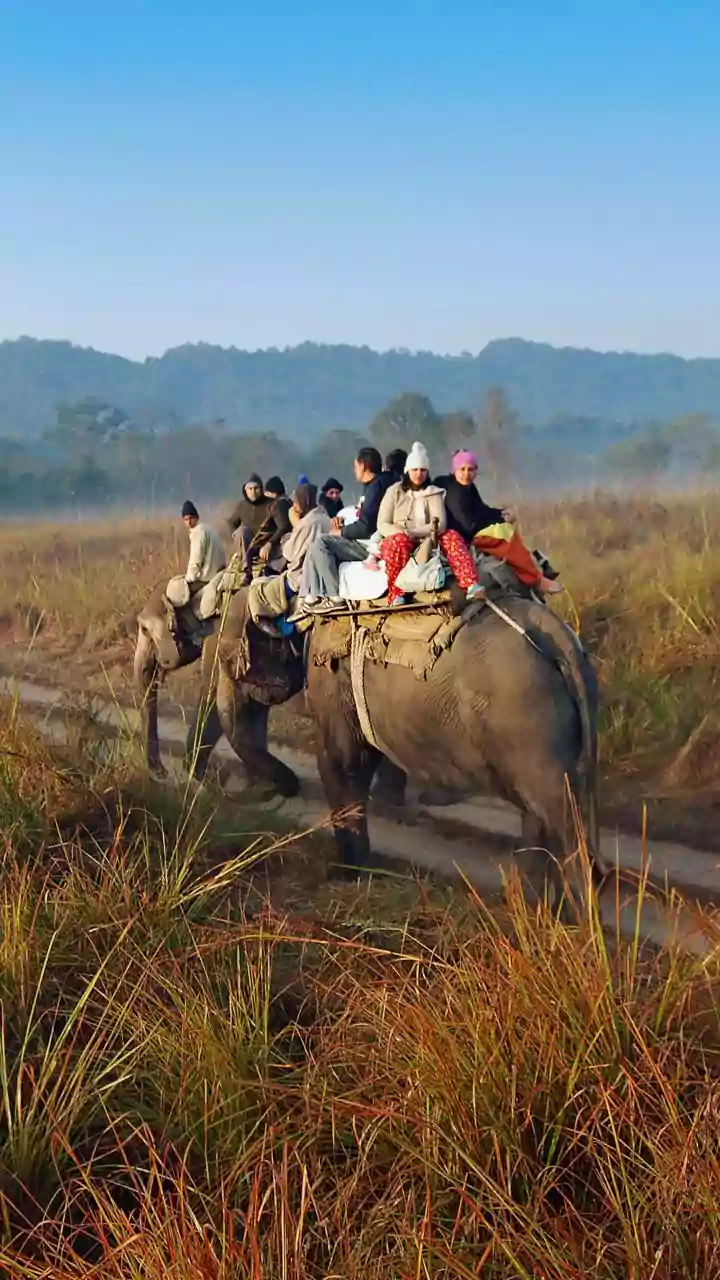
For years, the gold standard of a successful trip was a packed itinerary. From sunrise treks to sunset cruises, with three museums and four famous cafes sandwiched in between, we treated our holidays like a project to be managed. The goal? To 'do' a place
completely, returning home with a camera full of proof and a sense of accomplishment. But many are realising this approach feels less like a vacation and more like a second job. The pressure to optimise every moment can lead to 'vacation burnout'—a feeling of exhaustion and stress in the very moments meant for rest and rejuvenation. The constant rushing, ticking off boxes, and adhering to a rigid schedule often prevents the one thing we travel for: a genuine connection with a new place.
Enter the Era of Slow Travel
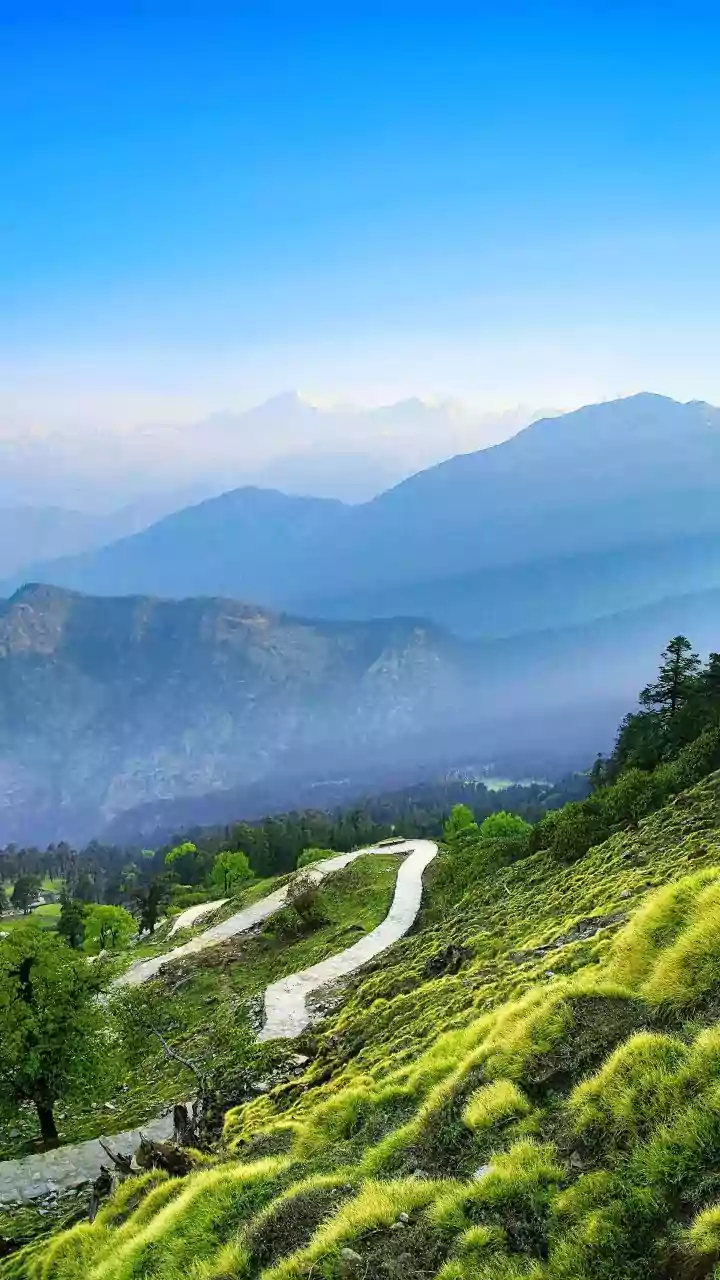
This fatigue with hyper-scheduling has fuelled the rise of 'slow travel'. It's not about travelling at a snail's pace, but about a shift in mindset. Instead of trying to see five cities in ten days, a slow traveller might spend the entire ten days exploring one city and its surrounding region. It's about depth over breadth. This philosophy encourages travellers to connect with the local culture, food, and people in a more meaningful way. The trend, which gained significant momentum after the pandemic forced a global pause, is a direct rejection of the 'fear of missing out' (FOMO) that once drove our travel decisions. Now, travellers are embracing the 'joy of missing out' (JOMO) on the tourist traps in favour of authentic, unhurried experiences.
How to Embrace 'Un-Planning'
The idea of a plan-free holiday can be daunting for some. The key isn't to have no plan at all, but to have a flexible one. A good starting point is to create 'anchor points' for your trip. Book your flights and your accommodation for the first one or two nights. This provides a safety net and a base from which to explore. Beyond that, leave your days largely open. Instead of a detailed schedule, perhaps create a loose list of three or four things you'd *like* to do during your stay, without assigning them to specific days or times. This allows you to wake up and decide what you feel like doing based on your mood, the weather, or a recommendation you received the day before.
Find Magic in Spontaneity
The real beauty of an unplanned trip lies in the unexpected moments. It's the charming little bookstore you stumble upon while wandering down a side street. It’s the delicious meal you have at a tiny, family-run restaurant a local recommended. It’s the afternoon you decide to spend just sitting in a park, watching the world go by. To cultivate this, actively build 'nothing' time into your day. Give yourself permission to get intentionally lost. Ditch the map for a few hours and just walk. Talk to people—the barista at the coffee shop, the vendor at the market. Ask for their favourite spots. These spontaneous adventures often become the most cherished memories of a trip, far more than the obligatory photo in front of a crowded monument.
Rethink Your Destination List
Slow travel also invites us to reconsider where we go. Instead of rushing through major capitals, consider choosing a single region and exploring it thoroughly. Spend a week in Goa, but instead of just hitting the popular beaches, explore the quiet villages of the south, the spice plantations in the interior, and the historic architecture of Panjim. Or if you’re in Europe, rather than a whirlwind tour of Paris, Rome, and Barcelona, pick one—like Tuscany—and spend your time exploring its small towns, vineyards, and local trattorias. This approach not only reduces travel time and stress but also supports smaller, local economies and offers a much richer, more immersive cultural experience.