







The Reality on the Roads
This year's monsoon has already made its presence felt, with intense spells of rain leading to severe disruptions across the national capital region. The India Meteorological Department (IMD) has issued orange and red alerts, warning of continued heavy
rainfall. Consequently, roads are submerged, traffic has slowed to a crawl, and key arterial routes leading to Indira Gandhi International (IGI) Airport are gridlocked. The Delhi Traffic Police have identified 169 hotspots prone to waterlogging. Stretches of National Highway 48 (NH-48), a critical route to the airport, have been particularly affected, with reports of road sections caving in near Gurugram, leading to lane closures and massive jams. Even a short journey can turn into a multi-hour ordeal, making standard travel time estimations from apps completely unreliable.
Airlines Urge Caution
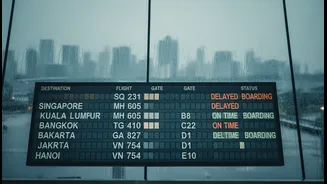
Airlines have been quick to respond to the situation, issuing advisories for passengers travelling to and from Delhi. Major carriers like Air India, IndiGo, Akasa Air, and SpiceJet have urged travellers to allow for significant extra travel time to reach the airport. The core message is consistent: check your flight status before you leave home, as adverse weather is impacting schedules and causing delays. Over 300 flights were reportedly delayed on a single day due to the weather and subsequent chaos. These advisories are not just a formality; they are a direct response to the very real risk that rain-induced traffic congestion will cause passengers to miss their flights.
Your Monsoon Airport Action Plan
Navigating the trip to IGI airport during a downpour requires a new strategy. First and foremost, add a significant time buffer to your journey. Depending on your location and the intensity of the rain, consider adding at least 90 minutes to two hours to your normal travel time. Before you leave, check multiple real-time traffic sources, including online maps and social media updates from the Delhi Traffic Police. They often provide crucial information on waterlogged areas and diversions. Also, keep a close watch on your airline’s app or website for any last-minute changes to your flight's schedule. Given the conditions, authorities in areas like Gurugram have even advised companies to allow employees to work from home to reduce congestion, highlighting the severity of the situation.
Consider the Metro Alternative
While the roads are unpredictable, the Delhi Metro's Airport Express Line remains the most reliable way to reach the airport during the monsoon. It is unaffected by waterlogging and surface traffic, offering a fast and predictable journey time from key locations like New Delhi and Shivaji Stadium. With trains running at regular intervals, it bypasses the chaos on the roads entirely. If your starting point allows for metro connectivity, this should be your default option for a stress-free airport commute during heavy rains. It eliminates the anxiety of being stuck in a jam while the clock ticks down to your departure time.
Last-Minute Preparations
A few final preparations can make a big difference. Ensure your electronic devices are fully charged in case of extended travel times. Protect your luggage from the rain with waterproof covers or even simple plastic wrapping. If you are taking a cab, book it well in advance, as availability can become scarce during heavy downpours. And finally, stay informed. The situation on the roads can change rapidly, and being aware of the latest weather and traffic updates is your best defence against the logistical challenges posed by Delhi-NCR's monsoon.